


A Crisis of Accountability
The largest maternity review in the history of the National Health Service (NHS) has been published, detailing a decade of systemic failures at Nottingham University Hospitals (NUH) NHS Trust. Led by senior midwife Donna Ockenden, the inquiry covers the period between April 2012 and May 2025, involving approximately 2,500 families and 800 staff members. The report highlights how failings at every level of the trust contributed to preventable baby deaths and life-altering harm to mothers.
The findings come as the trust faces significant legal and criminal scrutiny. Nottinghamshire Police are currently leading an ongoing criminal investigation, known as Operation Perth, which includes a corporate manslaughter case. Furthermore, recent arrests have been made regarding misconduct within the trust’s mortuary services, adding to the climate of institutional crisis.
The Human Cost and Institutional Failure
For many families, the report serves as a long-awaited validation of their struggle for truth. Jack and Sarah Hawkins, whose daughter Harriet was stillborn in 2016, have been vocal critics of the trust. Their experience—initially dismissed as a tragic outcome of infection—was later identified by external review as “almost certainly preventable.” The Hawkins family, alongside others like Gary and Sarah Andrews, whose daughter Wynter died in 2019, have highlighted a culture of denial and cover-ups within the institution.
“We have a dead child, and she was killed, in essence, by the NHS, who knew that they were killing babies, but they just didn’t tell us,” Jack Hawkins stated. The trust has already paid out over £100 million in compensation and fines, including a £1.66 million penalty for failing to provide safe care to mothers and babies.
Analysis: The Need for Structural Reform
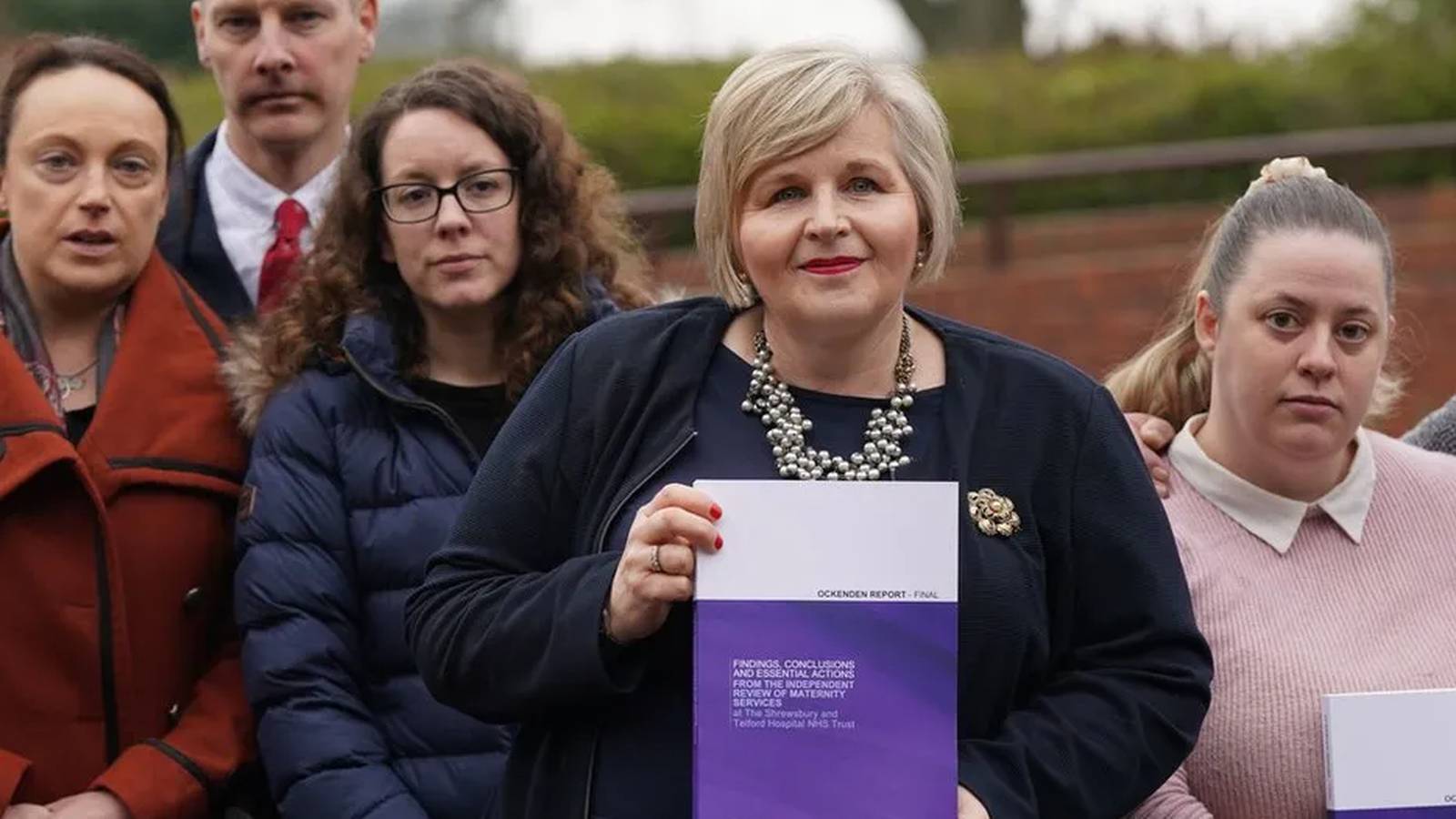
The Ockenden report is more than a summary of clinical errors; it is a critique of a culture that prioritized institutional reputation over patient safety. The recurring theme across the Nottingham and previous Shrewsbury and Telford reviews is the failure to listen to families. Ockenden has noted that her involvement will continue post-report to oversee progress, emphasizing that “listening to women and families is essential to delivering safe and compassionate maternity services.”
However, the scale of the failure raises fundamental questions about the efficacy of current regulatory bodies like the General Medical Council (GMC) and the Nursing and Midwifery Council (NMC). With nearly 100 fitness-to-practise cases under review, critics are increasingly calling for a statutory public inquiry. The existing evidence suggests that without individual accountability and a shift toward radical transparency, the cycle of harm remains a persistent threat to public trust in the NHS.