


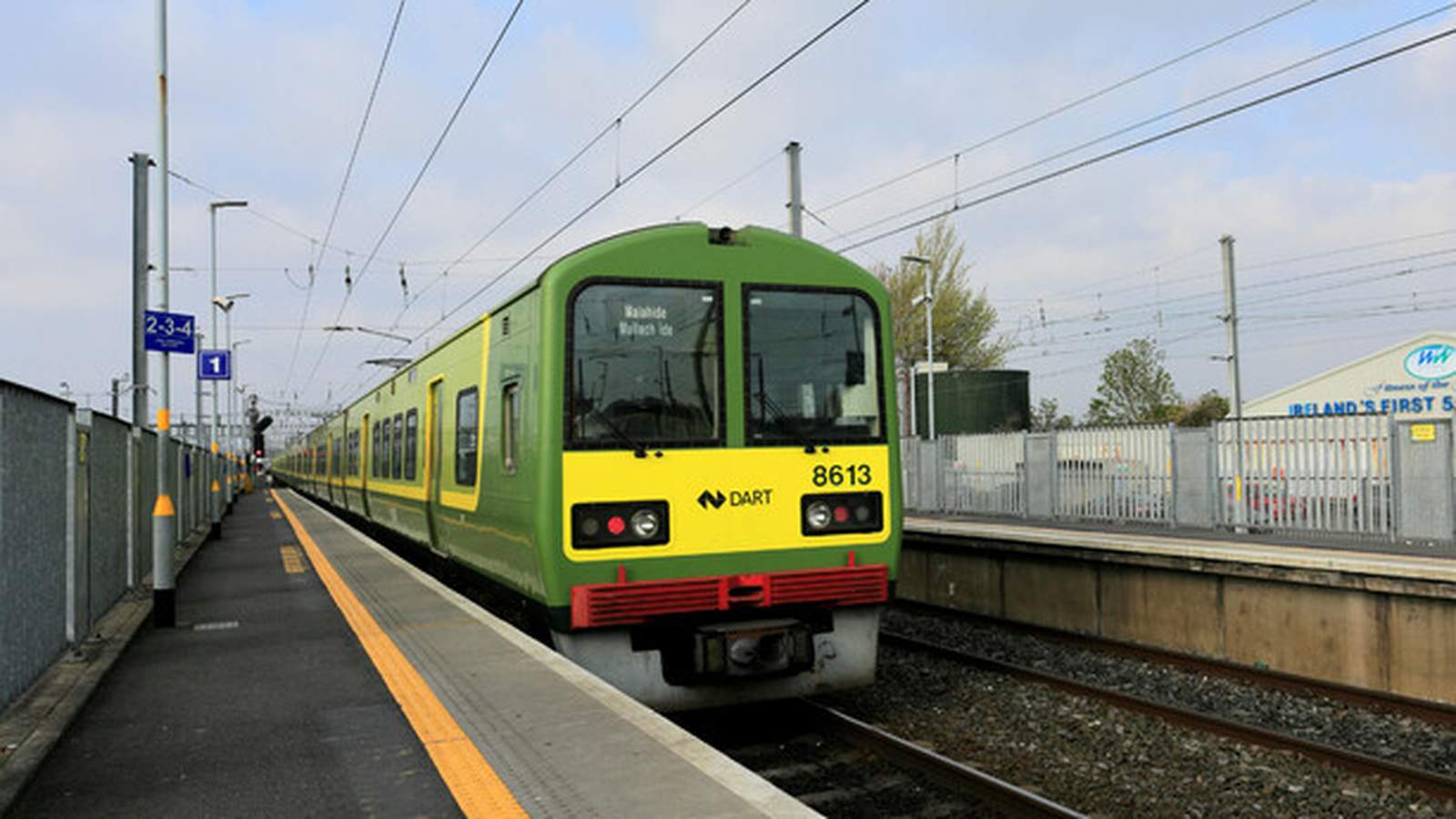
Infrastructure Crisis in Dublin
Commuters in Dublin experienced significant disruptions to the DART (Dublin Area Rapid Transit) and Northern Commuter lines this morning following severe damage to overhead lines in the north Dublin area. Irish Rail spokesperson Barry Kenny confirmed that approximately 20,000 commuters were impacted by the outages, which forced the suspension of services between Malahide, Howth, and Clontarf Road.
The damage, which occurred late Tuesday evening, was initially left unrepaired to facilitate transport for 20,000 attendees leaving a concert at Malahide Castle. Irish Rail opted to prioritize public safety during the concert egress before initiating emergency repairs after 1:00 AM on Wednesday. While services remain limited, officials are working to restore full capacity ahead of further high-attendance events scheduled for Wednesday evening.
Cybersecurity Vulnerabilities
In a separate domain, the Microsoft Incident Response team—also known as DART (Detection and Response Team)—has issued a critical warning regarding a sophisticated multi-actor cyber intrusion. According to findings published by Cyberpress, a routine ransomware investigation involving the group ‘Storm-2603’ revealed a secondary, unknown actor operating within the same compromised network.
Microsoft researchers discovered that the secondary actor utilized ‘living-off-the-land’ techniques, including DLL sideloading and custom backdoors, to maintain persistence while the ransomware group operated simultaneously. The incident highlights a growing trend in complex, multi-stage intrusions where multiple threat actors exploit the same vulnerabilities—in this case, CVE-2025-11371—to conduct parallel attacks. Security teams are being urged to audit remote management utilities and enforce strict conditional access to mitigate these layered threats.
Analysis: The Resilience Challenge
The convergence of these unrelated events underscores the fragility of systems operating under the DART designation, whether physical or digital. In Dublin, the tension between maintaining critical public transit infrastructure and managing the logistics of high-density events reveals the narrow margins for error in public service delivery. The delay in repairs, while framed as a public safety necessity for concert-goers, highlights the difficulty of balancing municipal obligations with maintenance requirements.
Simultaneously, the Microsoft DART report serves as a stark reminder of the evolving threat landscape in enterprise security. The presence of multiple, distinct attackers within a single network environment signifies a shift toward more opportunistic and clandestine cyber warfare. As organizations rely increasingly on remote management and cloud-based tools, the ‘DART’ teams—both the transit operators and the cyber defenders—find themselves at the front lines of maintaining systemic stability against human and technological failure.