
Quick Read
- Manchester United is actively seeking an interim manager after Ruben Amorim’s departure.
- Ole Gunnar Solskjær and Michael Carrick have been informally contacted for the interim role.
- Darren Fletcher, the current caretaker, is also a contender for the position.
- Solskjær is reportedly the favourite and has expressed his desire to return to Old Trafford.
- Sir Jim Ratcliffe will sanction the final decision, with the club aiming for an appointment before the January 17 Manchester derby.
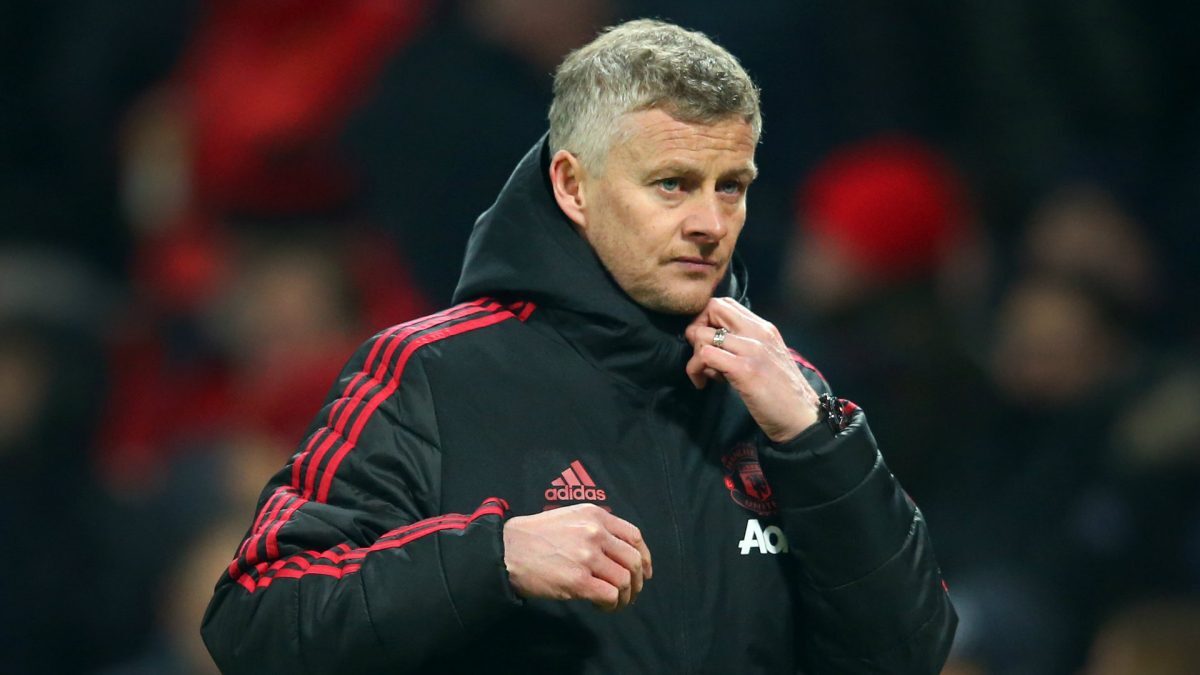
The hallowed grounds of Old Trafford are once again gripped by a familiar narrative: the search for a leader. Following the swift departure of Ruben Amorim, whose 14-month tenure ended abruptly after a dismal run of results, Manchester United finds itself at a crossroads. The club’s hierarchy, under the guidance of football director Jason Wilcox and ultimately sanctioned by Sir Jim Ratcliffe, is now actively seeking an interim manager to steer the ship until the season’s end. And in a development that has sent ripples of nostalgia and anticipation through the fan base, former manager and club legend Ole Gunnar Solskjær has emerged as a leading candidate.
Sources close to the club, including Sky Sports News, confirm that informal talks have already taken place with both Solskjær and another Old Trafford favourite, Michael Carrick. Adding to the mix is Darren Fletcher, the current caretaker manager, who is also being considered for the interim role. The urgency is palpable, with the club reportedly aiming to have an interim boss in place before the high-stakes Manchester derby on January 17, a mere 11 days from now.
The Prodigal Son’s Potential Return: Ole Gunnar Solskjær
For many Manchester United supporters, the name Ole Gunnar Solskjær evokes powerful memories. Dubbed “The Baby-faced Assassin” during his playing days, he famously scored the winning goal in the 1999 Champions League final, cementing his place in club folklore. His first stint as manager, from December 2018 to November 2021, began with a similar wave of optimism, taking over from Jose Mourinho initially on an interim basis. That period saw United achieve their first back-to-back top-four league finishes since the iconic Sir Alex Ferguson era and a memorable run to the 2021 Europa League final, though they ultimately lost on penalties to Villarreal.
His emotional farewell in November 2021 was widely noted, with Sky Sports senior reporter Rob Dorsett stating that “there were no bridges burnt.” Solskjær’s popularity with the Manchester United faithful has remained undimmed, a significant factor in his current favour. Dorsett further elaborated that the “impression I’m getting is that Solskjaer is the favourite,” and that he has “made it clear he would like to return to Old Trafford.” This sentiment suggests a man with unfinished business, eager to contribute to the club he so deeply loves.
Currently out of work, Solskjær presents an attractive option for United, as his appointment would not require any compensation payments. His managerial career outside Old Trafford includes two spells at Molde in his native Norway, where he won the Tippeligaen title twice (2011, 2012), and a less successful period at Cardiff City, where he oversaw their relegation from the Premier League. More recently, he led a team to a fourth-place finish in the Turkish Super Lig after taking over in January of last year.
However, the memory of his previous departure from United remains fresh. The 2021-22 campaign, particularly after the high-profile signing of Cristiano Ronaldo, saw the team’s form unravel dramatically. A string of heavy defeats, including a crushing 5-0 loss to Liverpool at Old Trafford, a one-sided 2-0 defeat in the Manchester derby, and a 4-1 thrashing away at Watford, ultimately led to his dismissal by November 2021. The challenge for Solskjær, should he return, would be to demonstrate that he has evolved as a manager and can navigate the intense pressures of the Premier League, especially within a club still finding its identity in the post-Ferguson era.
A Trio of Familiar Faces: Carrick and Fletcher’s Roles
Beyond Solskjær, the club’s search has also extended to other former players intimately familiar with the Old Trafford environment. Michael Carrick, another distinguished former United midfielder, has also been approached informally. Like Solskjær, Carrick is currently out of work and available without compensation, making him a viable candidate for the interim position. His understanding of the club’s culture and expectations could be invaluable in a temporary capacity.
Meanwhile, Darren Fletcher, who served as a first-team coach under Solskjær and is currently the Manchester United U18s coach, has stepped into the caretaker role following Amorim’s sacking. Fletcher led his first press conference ahead of Wednesday’s Premier League trip to Burnley, describing the experience as “surreal” and an “amazing honour to lead a Manchester United team.” He admitted it wasn’t in his “wildest dreams” but expressed immense pride, despite the difficult circumstances.
While Fletcher himself is a contender for the interim role, the club’s hierarchy views him more as a promising option for the future, largely due to his current lack of first-team coaching experience. Nevertheless, Sky Sports News reports that Fletcher has always maintained close ties with United’s players, and the squad has been impressed by his early work, with morale around the camp reportedly “pretty high.” He is currently being assisted by former defender Jonny Evans. Interestingly, another club legend, former captain Wayne Rooney, has not been approached for the role, as confirmed by ESPN.
Beyond the Interim: The Quest for Long-Term Leadership
While the immediate focus is on securing an interim manager, Manchester United has not ruled out the possibility of making a substantive, long-term appointment if the right coach becomes available. For this wider search, the club is considering a much broader pool of candidates. Among those initially linked with the permanent role were Crystal Palace’s Oliver Glasner and Newcastle United’s Eddie Howe.
However, both managers have publicly distanced themselves from the vacant position. Glasner, who has six months left on his deal at Selhurst Park, emphatically shut down speculation during a press conference: “I am Crystal Palace manager. It’s wasted time for you to ask any more questions. I don’t talk about any other club other than Crystal Palace.” Similarly, Howe reiterated his commitment to Newcastle, stating, “I’m 100 per cent here, working as hard as I can, head down, ignoring all the stuff that you guys write, good or bad, because it’s irrelevant.” He added that his happiness in the role and relationships within the club were paramount, concluding, “at the moment, I am very happy.” These statements underscore the challenge of attracting top-tier managers mid-season, particularly when they are already settled in demanding roles.
Sir Jim Ratcliffe’s Mandate and the Immediate Challenge
The entire process of identifying and appointing a new manager, whether interim or permanent, is being led by director of football Jason Wilcox. Following the initial informal conversations with candidates like Solskjær and Carrick, Wilcox is expected to conduct more formal interviews before making a recommendation. The final decision, a significant one for the club’s future direction, will ultimately be sanctioned by Sir Jim Ratcliffe, signalling his growing influence in United’s footballing operations.
No specific timescales have been officially set, but the club’s desire to have an interim manager in place before the January 17 Manchester derby suggests a rapid resolution is sought. In the immediate future, Darren Fletcher is expected to remain in charge for United’s next two fixtures: an away Premier League clash against Burnley on Wednesday and a home FA Cup third-round tie against Brighton on Sunday. These matches, along with upcoming league encounters against Manchester City, Arsenal, and Fulham, represent a challenging period for a club desperate for stability and a clear path forward.
The potential return of Ole Gunnar Solskjær, even in an interim capacity, is a testament to Manchester United’s ongoing struggle to define its identity and direction in a volatile modern football landscape. It’s a move that speaks volumes about the club’s desire to reconnect with its heritage and perhaps, to some extent, to seek comfort in a familiar face after the disruptive experiment with Amorim. While Solskjær’s previous tenure had its moments of brilliance, it also exposed tactical limitations, particularly in the latter stages. Appointing him again, even as a stopgap, is a gamble that leans heavily on emotional appeal and institutional knowledge. Sir Jim Ratcliffe’s first significant managerial decision will be closely scrutinized, as it will reveal whether the club prioritizes a sentimental return to the past to steady the ship, or if this interim phase is merely a pragmatic pause before a truly transformative, long-term vision is unveiled.