
Quick Read
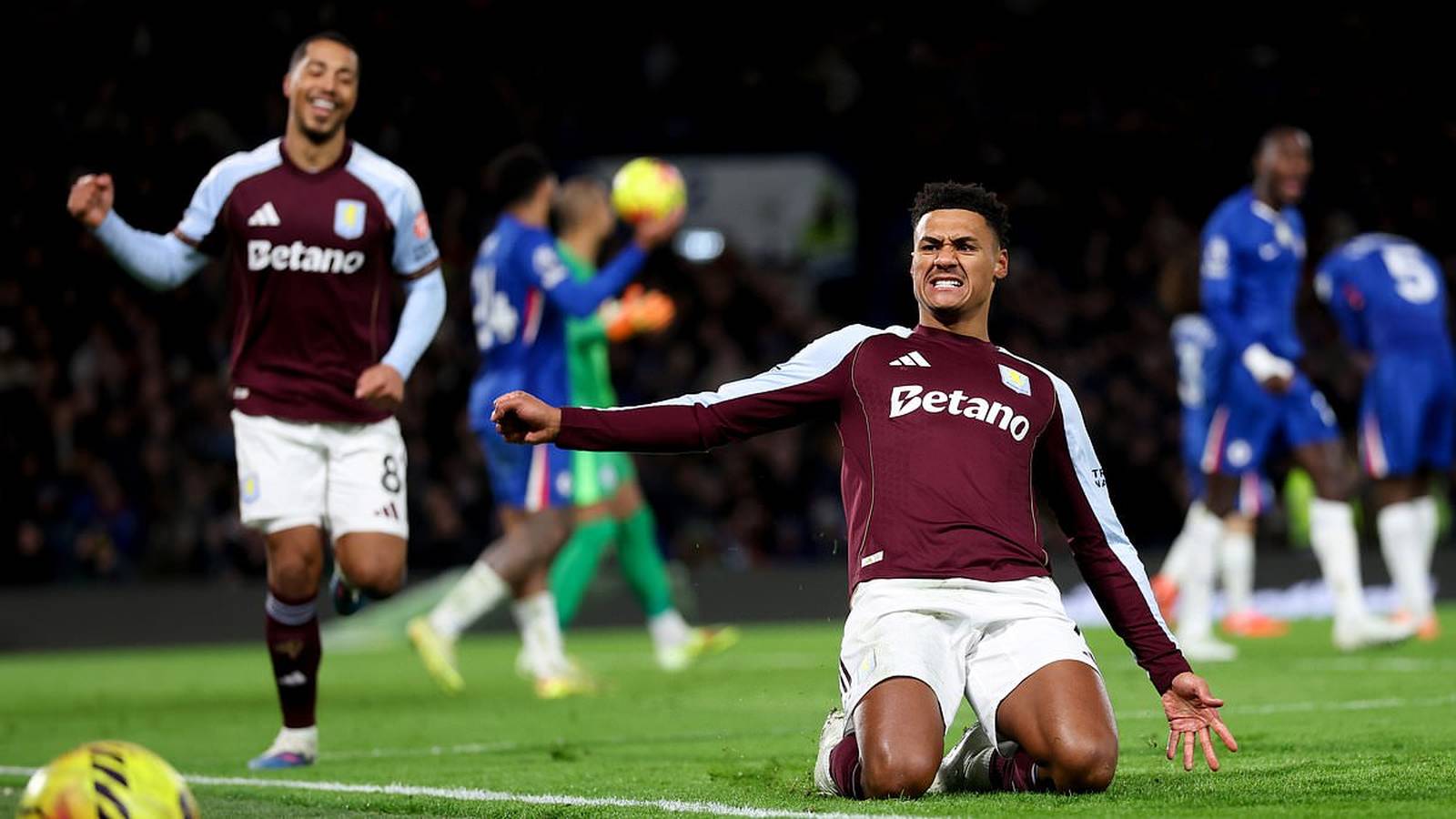
- Ollie Watkins scored in stoppage time as Aston Villa lost 4-1 to Arsenal.
- Watkins has netted three goals in his last two matches, signaling a return to form.
- Despite transfer rumors and competition for his place, Watkins remains crucial for Villa’s Premier League ambitions.
There’s a moment in football when the stadium hushes, every eye fixed on the player with the ball at his feet. For Aston Villa’s Ollie Watkins, that moment arrived at the Emirates, and—true to form—he seized it. His stoppage-time goal against Arsenal didn’t change the outcome of a dominant 4-1 win for the Gunners, but it did something more personal: it marked Watkins’ third goal in two matches, a resounding answer to a season riddled with doubt and speculation. (NBC Sports, Standard)
Watkins’ journey back to his best has been anything but straightforward. The past year tested his resolve, both on and off the pitch. In the aftermath of scoring the decisive goal for England against the Netherlands in the Euro 2024 semifinal—a moment that etched his name in national memory—Watkins found himself facing an uncertain future at Villa Park. Rumors swirled: was he heading for Arsenal, the club he’d supported as a boy? Would a summer move materialize as Villa weighed their options up front?
But as the months unfolded, the answer was clear: Watkins would stay, and Villa would need him more than ever. Even as his early-season performances faltered—dragged down by lingering doubts and a knee problem that manager Unai Emery later revealed—Watkins never truly lost his place in the squad. Emery’s public backing, unwavering even during Watkins’ lean spells, turned out to be the anchor the striker needed. “A tactical genius,” Watkins called his manager after a match-winning display at Stamford Bridge, signaling a renewed bond built on trust and resilience. (Daily Mail)
That trust was tested further by competition within the squad. The arrivals of Jhon Duran and the loan of Marcus Rashford created moments of uncertainty, with Emery forced to choose between Watkins and his challengers. Rashford’s brief stint as Villa’s central striker in the Champions League semi-final against Paris Saint-Germain left Watkins disappointed, his starting spot suddenly less secure. Transfer talk resurfaced, with Arsenal and Manchester United expressing interest. Yet, Villa’s asking price proved too steep, and Watkins remained, working through frustration to reclaim his form.
On the field, Watkins’ presence is unmistakable. Against Arsenal, his movement off the ball was a constant threat, forcing defenders like William Saliba into desperate interventions. He nearly opened the scoring in the first half, only to see his effort drift inches wide. Saliba’s crucial tackle right before halftime denied what could have been a pivotal goal. When Watkins finally found the net in stoppage time, it was a testament to his persistence—a consolation in a match dominated by the hosts, but a signal that Villa’s striker is never out of the fight. (Fox Sports, Standard)
Yet, for all the headlines about Arsenal’s clinical finishing and Gabriel Magalhaes’ return, the story within the story is Watkins’ resilience. This was no ordinary goal. It was a mark of a player who, just months ago, looked poised to leave, unsettled by squad changes and the lure of new challenges. Villa’s decision to stick rather than twist paid off, especially as the club struggled to secure top-tier replacements in a notoriously difficult striker market.
Watkins’ relationship with Emery remains at the heart of his Villa revival. Despite a knee injury that threatened his availability, Emery opted for transparency, admitting publicly that his striker wasn’t at full fitness—a rare move in a sport where such admissions can be seen as a weakness. The gamble worked: expectations recalibrated, Watkins responded with goals and grit, helping Villa stay in contention near the Premier League summit.
Looking forward, Watkins’ role is more vital than ever. Villa, now trailing Arsenal and Manchester City in the race for top honors, needs his experience and finishing ability to navigate a grueling second half of the season. While younger talents like Morgan Rogers and Duran offer promise, Watkins’ consistency and knack for scoring in crucial moments are qualities Emery simply can’t afford to lose.
The January transfer window looms, and Emery’s comments about potential squad changes have reignited speculation. But logic, and recent performances, suggest Watkins will remain the focal point of Villa’s attack. His ability to deliver—regardless of form or fitness—makes him indispensable, especially with rivals ready to pounce should Villa’s resolve waver.
In the end, Ollie Watkins’ story is one of persistence. Whether denied a dream move, battling through injury, or facing competition from high-profile signings, he continues to answer every challenge with quiet determination and timely goals. As Villa charts its course through the Premier League’s second act, Watkins stands as both a symbol of resilience and a reminder that, in football, the fight is never truly over.
Assessment: Watkins’ response to adversity—be it injury, transfer uncertainty, or tactical reshuffling—demonstrates why he remains Aston Villa’s most reliable striker. His recent scoring form, especially against top opposition, underlines the importance of managerial trust and personal resilience in elite sport. Villa’s decision to retain Watkins, despite external pressures, looks increasingly wise as the campaign intensifies. (NBC Sports, Daily Mail, Standard)