
Quick Read
- OpenAI փոխում է Sora հավելվածի IP կառավարման մեթոդը՝ ավելի վերահսկվող մոդելին անցնելու համար։
- Նոր քաղաքականությունը թույլ կտա իրավունքների տերերին սահմանափակել կամ թույլ տալ օգտագործումը, ինչպես նաև հնարավոր է՝ եկամուտների բաժանում։
In the rapidly evolving landscape of artificial intelligence and digital entertainment, OpenAI has once again found itself at the center of a heated debate. The company’s latest move involves the popular AI-driven video application Sora, which has garnered widespread attention for its ability to generate scenes featuring well-known Hollywood characters and voices. However, this technological marvel has also raised significant concerns over the use and potential misuse of intellectual property (IP).
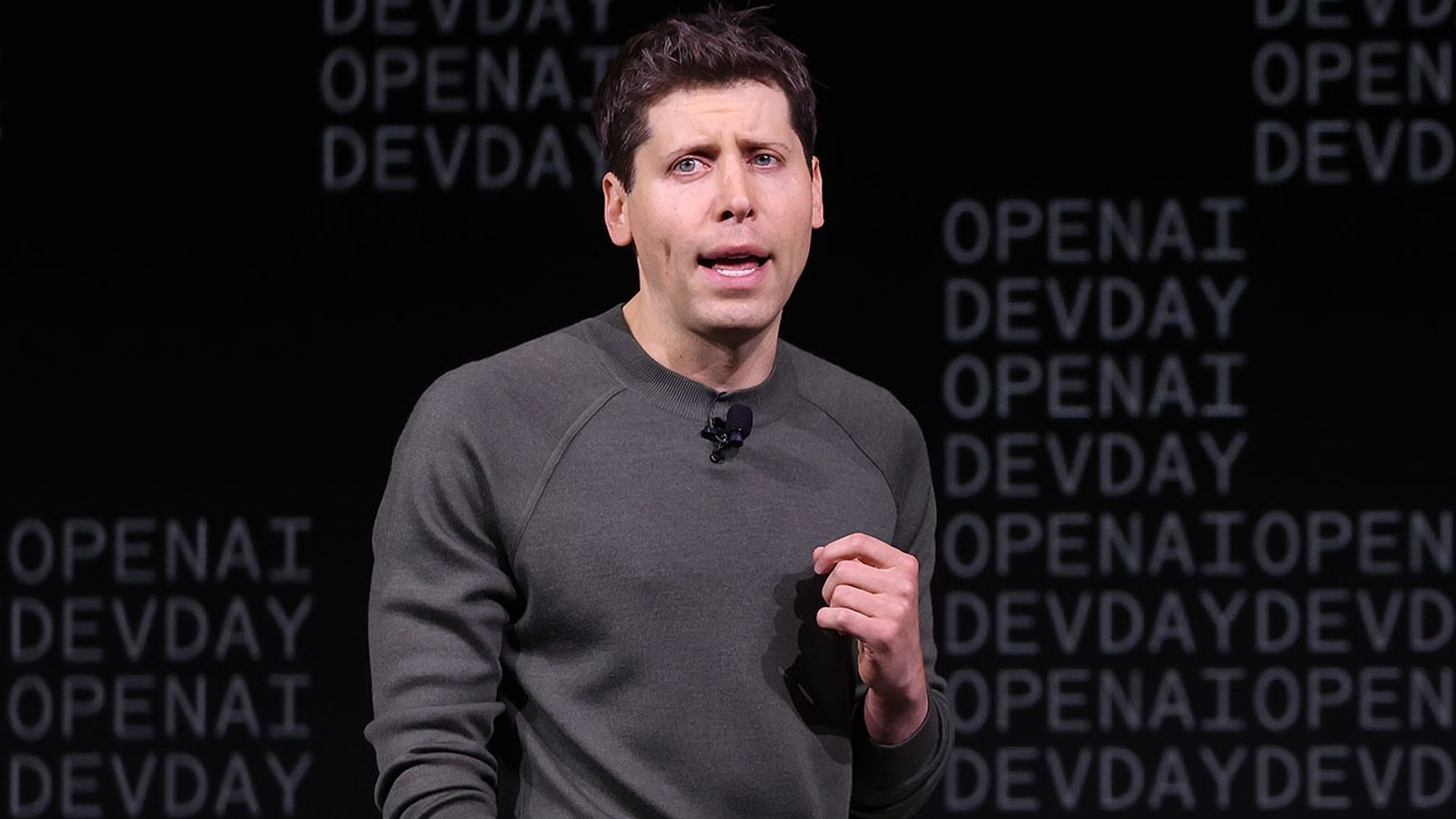
Late on a Friday, OpenAI’s CEO, Sam Altman, posted an update on his blog, signaling a shift in the company’s approach to managing Hollywood IP in Sora. Previously operating under an “opt-out” model, where rightsholders had limited control over their characters and likenesses, OpenAI is now moving toward a more nuanced, “granular” control system. This change aims to address the worries of entertainment companies and content creators who fear that their IP could be used without sufficient oversight or compensation.
Altman emphasized that rightsholders will be able to specify exactly how their characters can be used, including the option to prevent their use altogether. This approach mirrors the existing opt-in model for individuals, where users explicitly agree to the use of their likenesses. The adjustment indicates that OpenAI is responding to legal and ethical questions surrounding AI-generated content, especially as the flood of recognizable characters—ranging from South Park to Rick and Morty—has sparked outrage among Hollywood executives and prompted potential legal action.
Nevertheless, the company acknowledged that some edge cases might still produce unwanted content. OpenAI has committed to ongoing iterations and improvements, signaling that this is a work in progress rather than a final solution. Interestingly, Altman also hinted at the possibility of a revenue-sharing scheme, allowing rightsholders to monetize videos that feature their characters or likenesses generated by users. This idea suggests a future where creators and rights owners could benefit financially from AI-generated content, potentially transforming how intellectual property is managed in digital entertainment.
The controversy surrounding Sora isn’t occurring in isolation. The app’s ability to quickly produce scenes with familiar characters has made it a tool for both entertainment and controversy. Hollywood has expressed its displeasure, warning of lawsuits and legal challenges over unauthorized use of IP. The situation underscores a broader debate about the balance between technological innovation and intellectual property rights in the age of AI. As legal battles loom, the question remains: how will platforms like Sora navigate the complex terrain of copyright, likeness rights, and fair use?
From a technological standpoint, Sora’s capabilities demonstrate how AI can blur the lines between original content and derivative works. While this fosters creativity and fan engagement, it also raises questions about ownership and control. Will rights holders embrace the new interactive possibilities, or will they seek to restrict AI’s reach? The evolving policies at OpenAI suggest that a middle ground might be emerging—one that recognizes both the value of AI-driven content and the importance of protecting creators’ rights.
In essence, OpenAI’s recent steps reflect a recognition that AI tools like Sora must be integrated into the existing legal and ethical frameworks governing intellectual property. The company’s willingness to modify its approach indicates an understanding that innovation cannot come at the expense of rights holders’ protections. As AI continues to develop, the industry faces a critical question: how to balance technological progress with respect for creative ownership?
Ultimately, the future of AI-generated entertainment hinges on establishing clear, fair, and adaptable policies. OpenAI’s move towards more granular control and potential revenue sharing could serve as a blueprint for other tech companies navigating similar challenges. The goal is to foster an environment where AI enhances creativity without undermining the rights of original creators. This delicate dance between innovation and regulation will define the next chapter in digital entertainment, ensuring that technological advancements benefit all stakeholders involved.
In the end, OpenAI’s effort to refine its approach to intellectual property in Sora reflects a broader industry awakening—recognizing that sustainable innovation depends on respecting and protecting creators’ rights while exploring new creative frontiers.