
Quick Read
- Hungary’s Viktor Orbán received an exemption from U.S. sanctions on Russian energy after meeting Trump.
- The exemption allows Hungary to continue importing Russian oil and gas despite EU pressure.
- Orbán and Trump share similar nationalist and conservative ideologies.
- Ukraine continues to call for tougher sanctions on Russian energy.
- EU officials worry Hungary’s deal undermines collective efforts against Russia.
Orbán’s Washington Gamble: The Politics Behind Hungary’s Russian Energy Sanctions Relief
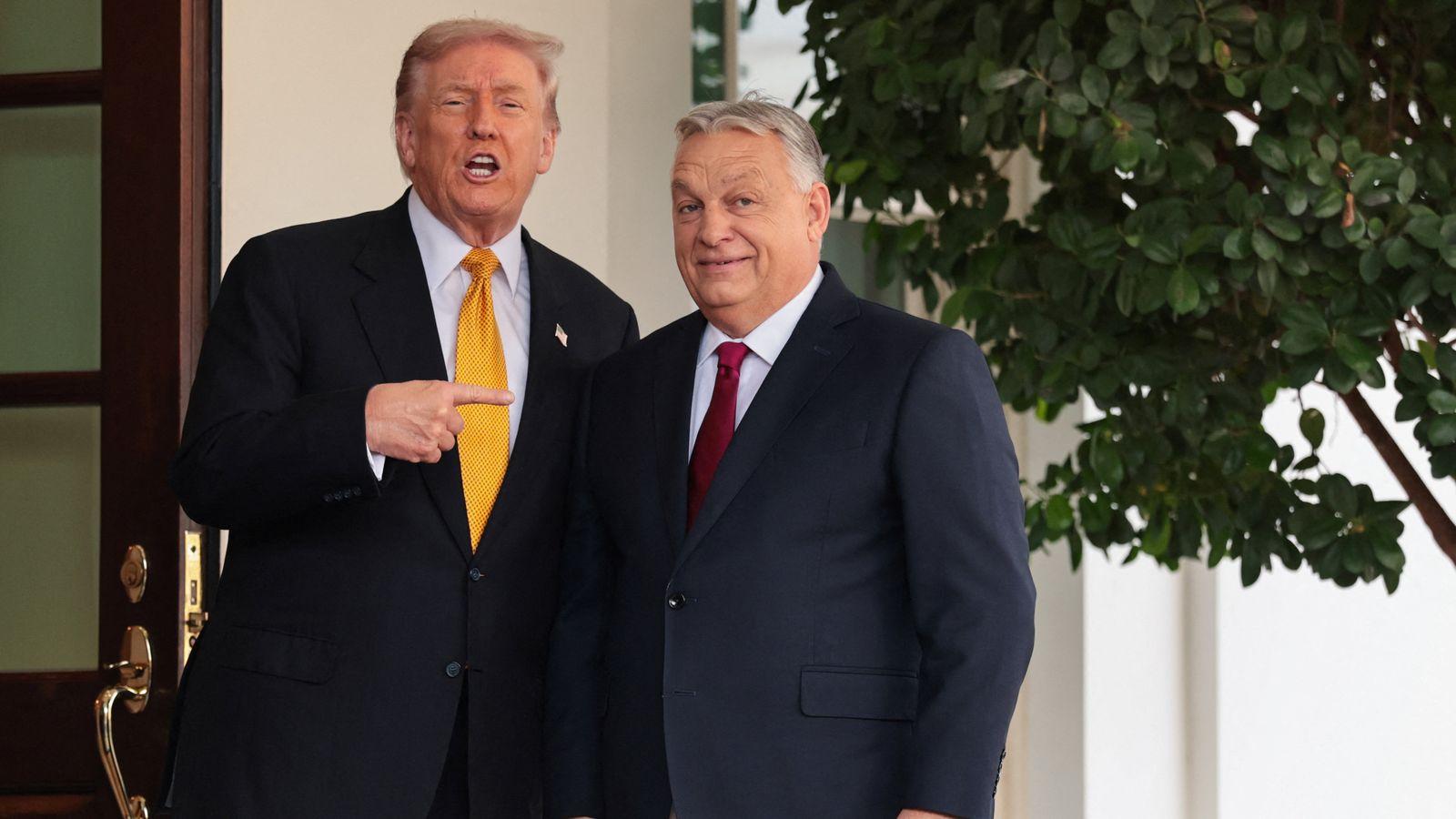
When Hungary’s Prime Minister Viktor Orbán landed in Washington for a rare White House meeting, the stakes were as high as they get. Orbán, a leader who’s styled himself as Europe’s champion of ‘illiberal democracy,’ was facing mounting pressure from both the European Union and the United States to end his country’s deep dependence on Russian oil and gas. But Orbán wasn’t just visiting as a supplicant—he was there to leverage a personal relationship with Donald Trump, a president who shares his combative, nationalist brand of politics.
Within hours of their meeting, news broke: Trump would grant Hungary a sweeping exemption from U.S. sanctions targeting Russian energy imports. The move, confirmed by Hungarian officials and acknowledged—albeit with less fanfare—by the White House, sent ripples through diplomatic circles in Brussels, Kyiv, and Moscow. Orbán declared the exemption ‘indefinite,’ while U.S. sources suggested a one-year timeline. The discrepancy was telling, but the real story lay in how Orbán had managed to sway Trump—and what each leader stood to gain.
Shared Interests: Why Trump and Orbán See Eye to Eye
For years, Orbán has been celebrated by the American far right as a model of conservative governance. Hungary regularly hosts the Conservative Political Action Conference (CPAC), drawing Trump allies and right-wing activists from across the Atlantic. Both leaders project themselves as strongmen, resistant to what they see as liberal overreach and globalist pressures. Trump has called Orbán ‘a great leader,’ and their meeting reflected genuine warmth, with Trump giving Orbán unusual latitude to present Hungary’s case.
But this alliance is more than ideological. Hungary’s reliance on Russian energy is no secret: as of 2024, the country sourced about 74% of its gas and 86% of its oil from Russia. The International Monetary Fund warns that an EU-wide embargo could cost Hungary over 4% of its GDP—a potentially devastating blow, especially with Orbán facing a tight election against the rising Tisza Party amid economic stagnation. For Trump, Orbán’s cozy ties to Vladimir Putin offer a channel for U.S. interests in the ongoing Ukraine conflict. As one U.S. correspondent put it, ‘You scratch my back, I’ll scratch yours—that was the vibe.’
Energy and War: The Ukraine Connection
Hungary’s exemption comes at a critical moment for Ukraine, which continues to weather relentless Russian attacks on its energy infrastructure. President Volodymyr Zelenskyy has repeatedly called for tougher sanctions on Russian energy, arguing that any leniency only emboldens Moscow. The White House’s decision to spare Hungary—at least temporarily—stands in stark contrast to these appeals. As Sky News reported, Ukraine’s prosecutor general has charged a commander with negligence after a missile strike killed dozens at a banned award ceremony. Meanwhile, Russia’s attacks have left Ukraine’s thermal power plants at zero capacity, deepening the humanitarian crisis as winter approaches.
Orbán’s exemption isn’t just about Hungary’s gas supply—it’s about the broader geopolitical contest over Russia’s war in Ukraine. Trump is urging Europe to cut its energy ties with Moscow to pressure Putin into negotiations. Yet, in a twist, Trump’s administration also continues to offer tax breaks and regulatory relief to major corporations, including energy companies, while slashing social programs for low-income Americans (Truthout).
Behind Closed Doors: How Orbán Swayed Trump
Observers noted that Trump’s meeting with Orbán was markedly different from typical bilateral talks. Orbán was given ample opportunity to lay out Hungary’s case, emphasizing the economic peril of losing Russian energy and the country’s commitment to purchasing American natural gas. Hungarian Foreign Minister Peter Szijjarto quickly took to social media, announcing that Orbán had secured an ‘indefinite’ waiver, contradicting more cautious White House statements.
Why did Trump acquiesce? The answer lies partly in Orbán’s leverage. His longstanding ties to Putin make him a valuable intermediary. Trump, keen to show progress on the Ukraine front, needs Orbán’s influence in Moscow. The prospect of a summit between Trump and Putin—almost hosted by Orbán—remains a tantalizing possibility for both leaders. As the war drags on, each side seeks to demonstrate battlefield success and bargaining power, with Hungary sitting at a strategic crossroads.
Economic Fallout and Political Calculations
For Orbán, the exemption is a lifeline. Hungary’s economy, already battered by inflation and political uncertainty, would be further destabilized by a cutoff of Russian energy. The looming election against the centre-right Tisza Party has heightened the stakes, making economic stability a top priority. Meanwhile, the Trump administration’s rollback of corporate taxes and regulatory enforcement—most notably the corporate alternative minimum tax (CAMT) enacted under Biden—reflects a broader shift towards favoring big business over public welfare (Truthout).
Democratic lawmakers have sounded alarms about the loosening of CAMT enforcement, warning that it creates new loopholes for wealthy corporations. The Trump administration’s aggressive actions, coupled with its diplomatic maneuvers, underscore a pattern: favoring allies and interests that align with its political agenda, even at the expense of broader international commitments.
Regional Ramifications and International Response
The decision to exempt Hungary from energy sanctions has not gone unnoticed in Europe. EU officials have expressed concern that Orbán’s deal undermines collective efforts to pressure Russia. The exemption could embolden other nations to seek similar relief, complicating the bloc’s attempts to present a united front. Meanwhile, Ukraine continues to call for comprehensive sanctions, arguing that partial measures only prolong the conflict.
In the broader context, Trump’s foreign policy moves—such as boycotting the G20 summit in South Africa over alleged discrimination against white farmers (Spectrum News)—reflect a willingness to disrupt established diplomatic norms. These decisions, while catering to domestic and ideological audiences, have real consequences for global alliances and conflict resolution.
Conclusion: The Power and Peril of Personal Diplomacy
Orbán’s exemption from Russian energy sanctions is more than a diplomatic win—it’s a testament to the enduring power of personal relationships in international politics. For Trump and Orbán, their alliance is built on shared interests, mutual benefit, and a willingness to challenge conventional wisdom. Yet, as Ukraine’s war grinds on and Europe faces its own dilemmas, the long-term consequences of such deals remain uncertain.
The interplay between individual ambition and global strategy is at the heart of this story. Orbán’s success in Washington may boost his domestic standing and offer Hungary short-term relief, but it also exposes the fragility of collective action in times of crisis. As leaders prioritize their own interests, the path to lasting peace and stability grows ever more complex—and uncertain.