
Quick Read
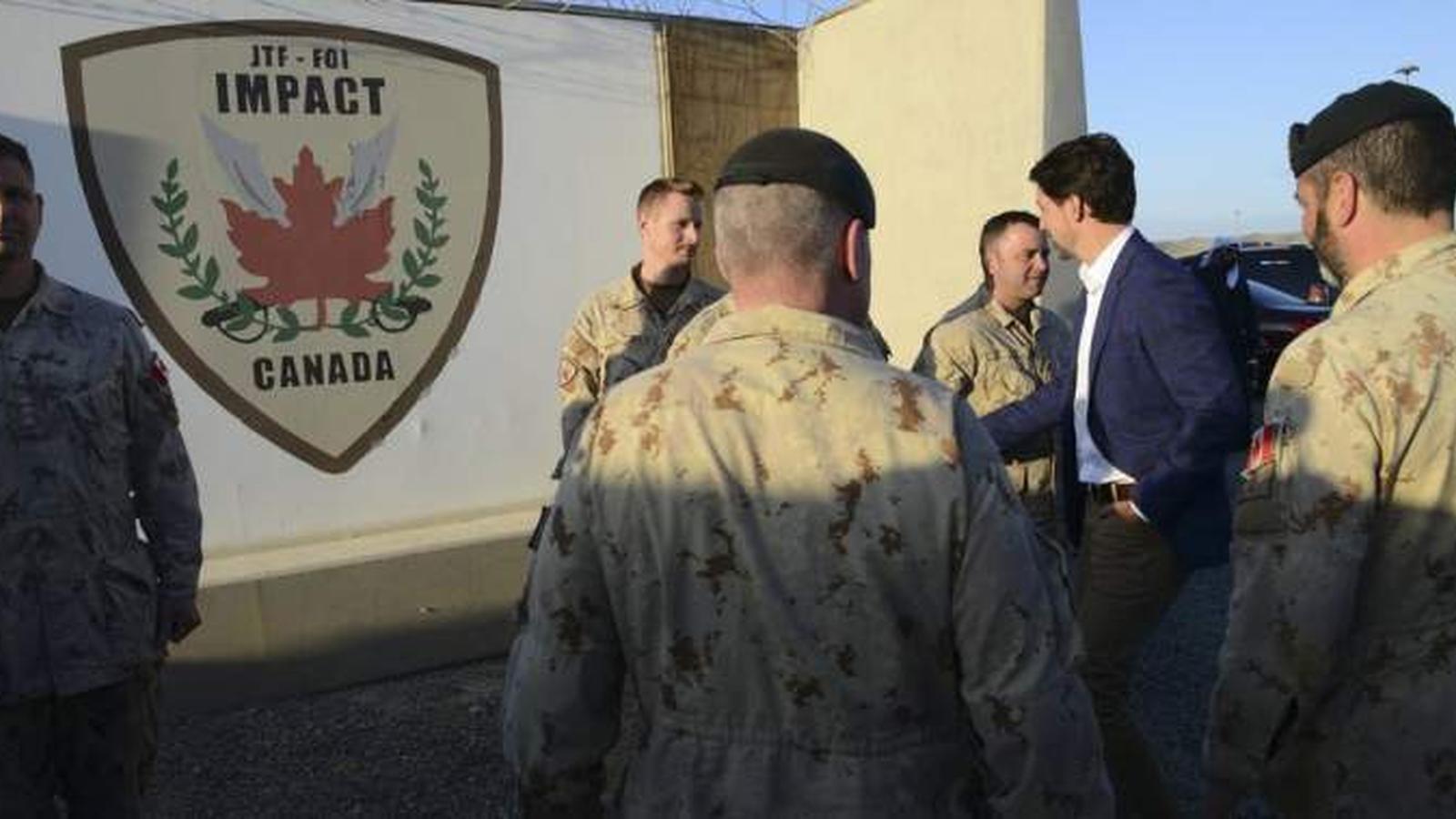
- Canadian Armed Forces personnel in Kuwait are confirmed to be safe and accounted for following a March 1 missile strike.
- The government faced backlash for failing to disclose the attack, which was identified via satellite imagery analysis.
- Opposition leaders criticized the administration’s transparency, noting that U.S. allies have been more forthcoming regarding damage at the shared airbase.
OTTAWA (Azat TV) – The federal government is under intense pressure to explain why it withheld information regarding a reported Iranian missile strike on the Ali Al-Salem Air Base in Kuwait, a facility that hosts Canadian Armed Forces personnel. While reports of the March 1 attack surfaced via satellite imagery analysis published by La Presse on Thursday, the Liberal administration faced immediate backlash from opposition critics who characterized the lack of disclosure as a deliberate failure of transparency.
Transparency Concerns Over Canadian Forces in Kuwait
Conservative defence critic James Bezan publicly condemned the government’s silence, labeling the decision to keep the incident from the public as “shameful.” Bezan argued that by failing to disclose the attack, the government denied Canadians necessary context regarding the nation’s involvement in the escalating Middle East conflict. During a press conference, Bezan contrasted Ottawa’s posture with that of international allies, particularly the United States, who have maintained a more open dialogue regarding damage assessments and operational impacts in the region.
Government Response and Force Protection
The Department of National Defence (DND) confirmed that they were aware of reports concerning strikes in the vicinity of the airbase but maintained that, for operational security reasons, they do not discuss specific damage assessments. DND spokesperson Lt. Pamela Hogan stated that efforts have focused on force protection, which includes relocating some personnel and ensuring the safety of those remaining on-site. Prime Minister Mark Carney, speaking to reporters in Yellowknife on Thursday, confirmed that all Canadian military members in the region are safe and accounted for, while reiterating that Canada is not engaged in offensive actions alongside U.S. and Israeli forces.
Political Fallout in Parliament
The controversy emerged following a week of parliamentary debate regarding Canada’s position on the Iran conflict, during which the government did not mention the attack. Foreign Affairs Minister Anita Anand stated that she was not privy to the reports at the time of her recent public briefings, though she confirmed that Defence Minister David McGuinty had personally assured her of the safety of all personnel. Opposition members suggest this lack of communication aligns with broader concerns regarding the government’s shifting stance on the conflict, noting the Prime Minister’s absence from recent emergency debates in the House of Commons.
The strategic ambiguity surrounding the government’s communication suggests a heightened sensitivity to the domestic political implications of the widening conflict, as officials attempt to balance the necessity of operational security with the growing public demand for accountability regarding the safety of Canadian assets abroad.