
Quick Read
- Australian TGA updated safety warnings for Ozempic and similar GLP-1 drugs in December 2025.
- Warnings address potential risks of suicidal thoughts and mood changes; causality not confirmed.
- Patients on Mounjaro advised to use non-oral or barrier contraception after dose changes.
- GLP-1 drugs should not be used during pregnancy.
- Doctors urged to monitor patients for mental health changes, especially those with history of depression or anxiety.
Ozempic and GLP-1 Drugs: Why Are Safety Warnings Changing?
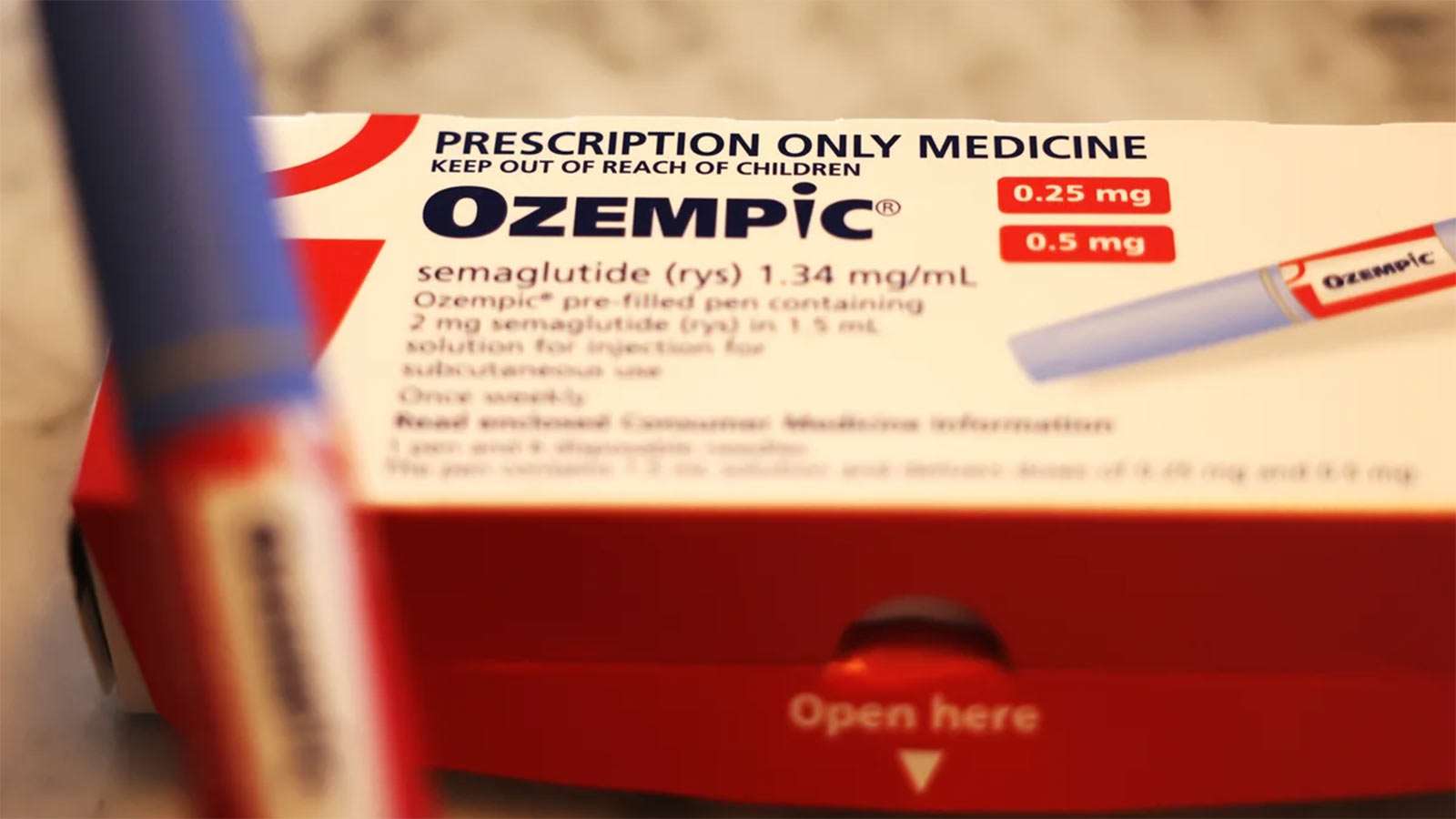
In December 2025, Australia’s Therapeutic Goods Administration (TGA) updated safety guidance for Ozempic and other GLP-1 receptor agonist drugs, a move that has captured the attention of both doctors and patients. These medications—most notably Ozempic, Wegovy, Saxenda, Trulicity, and Mounjaro—have transformed diabetes and obesity management, with millions of prescriptions filled in recent years. But their rapid rise has prompted scrutiny, particularly around unexpected mental health effects and new advice on contraception.
So, what’s driving this caution?
Mental Health Concerns: Suicidal Thoughts and Mood Changes
At the heart of the new warnings is the potential for changes in mood, depression, and even suicidal thoughts among those taking GLP-1 drugs. The TGA’s safety alert followed both local and international investigations, including data signals from the World Health Organization’s adverse reaction database. Reports of suicidal ideation appeared slightly higher than expected for semaglutide (Ozempic’s active ingredient), compared to other diabetes drugs.
However, the evidence isn’t clear-cut. The TGA, together with its Advisory Committee on Medicines, emphasized that there isn’t enough proof to confirm these drugs cause suicidal behaviour or thoughts. As The Guardian reported, experts urge caution due to the “complex interplay between mental illness and the chronic conditions these drugs treat.” In short, people with diabetes or obesity—who may already be at risk for depression or anxiety—could experience mental health shifts for reasons not directly caused by the medication.
According to TGA data, there have been 72 reports of suicidal ideation, several suicide attempts, and a handful of completed suicides among GLP-1 drug users up to September 2025. While these numbers are small compared to the estimated half a million Australians using the drugs, they are enough to prompt harmonized warnings across product information.
Doctors, like Dr Terri-Lynne South of the Royal Australian College of General Practitioners, highlight that some patients may be more vulnerable—especially those with a history of depression, anxiety, or those already on antidepressant medication. Rapid or significant weight loss itself, whether from drugs or bariatric surgery, can also be a mental health trigger.
The TGA advises all patients: report any new or worsening depression, suicidal thoughts, or unusual changes in mood or behaviour to your healthcare provider.
Contraception Risks: What Women Need to Know About Mounjaro
Alongside mental health concerns, the TGA issued fresh guidance on contraception for those taking Mounjaro (tirzepatide), another GLP-1 drug. Investigations suggest that Mounjaro may reduce the effectiveness of oral contraceptive pills, especially when starting or increasing the dose. The reason? These drugs slow digestion, potentially affecting how much of the contraceptive pill is absorbed by the body.
As a precaution, women taking Mounjaro are now advised to switch to a non-oral contraceptive or use a barrier method for four weeks after starting or increasing the dose. This update reflects the TGA’s approach to post-market surveillance—sometimes, rare side effects only emerge when a drug is used widely.
Importantly, none of the GLP-1 drugs should be used during pregnancy, and product warnings have been updated accordingly.
The Science Behind GLP-1 Drugs: Promise and Uncertainties
GLP-1 receptor agonists mimic a hormone that slows digestion, helping people feel fuller for longer. Originally developed for type 2 diabetes, they’ve quickly become a breakthrough treatment for obesity. Their success stories abound, but as more people take these drugs, unexpected side effects—like those now under investigation—can surface.
Some international research has linked GLP-1 drugs to higher risks of depression, anxiety, and suicidality, potentially due to effects on dopamine in the brain. Other studies, and preliminary reviews by the US Food and Drug Administration (FDA), have found no clear evidence of causality. The FDA notes that because the number of observed suicidal thoughts or actions is small, it cannot definitively rule out a small risk; investigations are ongoing.
What Should Patients and Prescribers Do Now?
Given the uncertainty, experts and regulators recommend vigilance. Patients should be aware of potential mental health changes, especially if they have a history of depression or anxiety. Doctors are urged to monitor for any signs of worsening mood or unusual behaviour. If taking Mounjaro, women should discuss contraception options with their healthcare provider.
At the same time, the TGA stresses that these warnings do not imply a proven causal link—rather, they reflect a precautionary, class-wide awareness as evidence continues to evolve. For many, the benefits of GLP-1 drugs in managing chronic diseases outweigh the risks, but ongoing monitoring and transparent communication are key.
Where To Get Help
For those affected by mental health concerns, support services are available. In Australia, Lifeline (13 11 14) provides crisis support. Internationally, helplines such as Samaritans and the 988 Suicide & Crisis Lifeline in the US offer confidential assistance.
The recent safety updates for Ozempic and its GLP-1 counterparts highlight the delicate balance between breakthrough medical advances and the complexities of real-world patient experiences. As millions seek hope in these therapies, transparency and vigilance remain paramount—reminding us that every medical solution must be weighed not just for its promise, but for its impact on the whole person.