
Quick read
- US President Donald Trump announced Pakistani representatives will visit Washington next week for trade negotiations.
- Pakistan seeks to avoid a potential 29% tariff on its exports to the US, which could impact its $3 billion trade surplus.
- Trump warned that military conflict between India and Pakistan could jeopardize trade deals with either nation.
- Tensions between the two nuclear-armed neighbors remain high after recent military clashes.
- The US is also progressing trade talks with India, aiming for a limited agreement by early July.
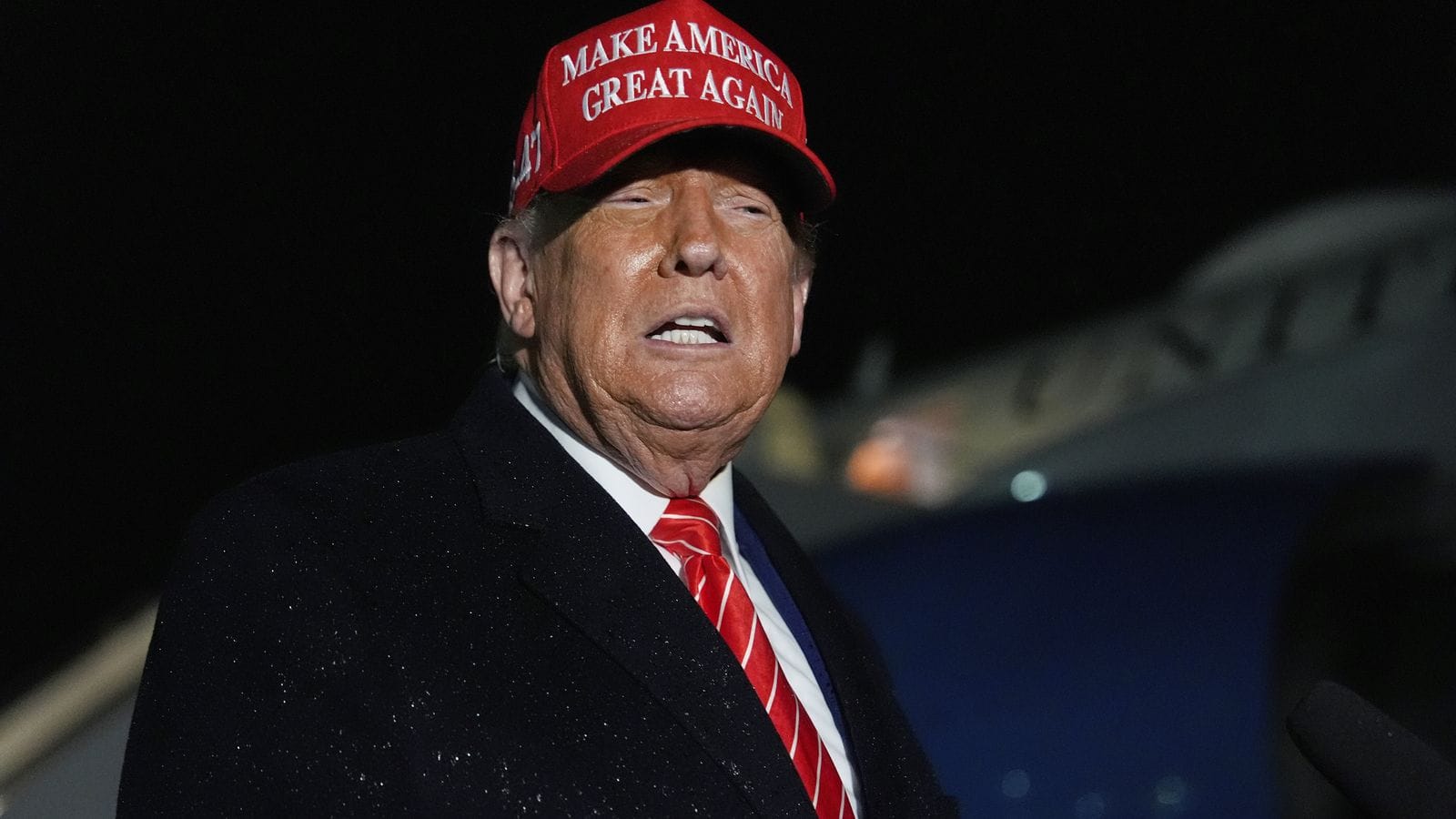
In a critical week for South Asia’s economic and geopolitical future, US President Donald Trump announced that Pakistani representatives will arrive in Washington next week to discuss trade terms. The high-stakes talks come as Islamabad faces the threat of a 29% tariff on its exports to the United States, a move that could severely impact its fragile economy. Trump’s comments, however, carried a stark warning: any military escalation between Pakistan and India could derail trade agreements with either country.
What’s at stake for Pakistan in these trade talks?
Pakistan’s economic stability hangs in the balance as it prepares for discussions with the United States. According to Reuters, the South Asian nation faces a potential 29% tariff on its exports to the US, targeting its $3 billion trade surplus. Nearly 90% of these exports are textiles, a sector that could be disproportionately affected by the new duties. Analysts warn that losing competitiveness in the US market may force Pakistan to redirect goods to alternative markets, increasing competition with regional exporters like China and Bangladesh.
Finance Minister Muhammad Aurangzeb described the negotiations as both a challenge and an opportunity to reset trade ties with the US. Earlier this week, Aurangzeb held initial discussions with US Trade Representative Jamieson Greer, laying the groundwork for more detailed talks in Washington. According to Arab News, the tariffs could undermine Pakistan’s economic recovery if unresolved, especially as its exports to the US reached $5.44 billion in 2024, with strong growth continuing into the current fiscal year.
How are rising India-Pakistan tensions affecting trade diplomacy?
Trump’s announcement comes amid heightened tensions between India and Pakistan, two nuclear-armed neighbors with a history of conflict. According to Hindustan Times, recent military clashes included artillery fire, missile exchanges, and drone strikes, marking the worst fighting between the two nations in decades. Trump has repeatedly emphasized that trade agreements cannot coexist with military conflict, stating, “I wouldn’t have any interest in making a deal with either if they were going to be at war with each other.”
The escalation follows India’s Operation Sindoor, a counterstrike in response to the Pahalgam attack that killed 26 people. Trump credited ongoing US trade discussions with preventing further escalation, suggesting that economic diplomacy offers a unique path to peace. However, the volatile situation underscores the fragile balance between economic interests and geopolitical realities in the region.
What progress is being made in US-India trade talks?
While Pakistan seeks to avoid steep tariffs, India is making strides in its own trade negotiations with the United States. According to India Today, both nations aim to finalize a limited trade deal by early July. India currently faces a 26% tariff on its exports to the US, but the talks could pave the way for reduced duties and expanded market access. Notably, India may allow American companies to bid for over $50 billion in government contracts, a significant concession in ongoing discussions.
Recent visits by Indian Trade Minister Piyush Goyal and Foreign Secretary Vikram Misri to Washington have further solidified ties. The US Deputy Secretary of State Christopher Landau described the relationship as being at a “historic zenith,” highlighting its importance in the 21st century. These developments reflect a broader trend of deepening economic and strategic cooperation between the two democracies.
How does this reflect Trump’s approach to trade and diplomacy?
Trump’s remarks illustrate his administration’s unique approach to trade diplomacy, leveraging economic negotiations to address broader geopolitical issues. By linking trade deals with regional stability, Trump has positioned the US as a key mediator in South Asia’s complex dynamics. He recently stated, “We talk trade, and we say we can’t trade with people who are shooting at each other… We do it through trade as opposed to bullets.”
However, this strategy also carries risks. The imposition of tariffs on Pakistan and India could strain relations and provoke retaliatory measures, potentially complicating diplomatic efforts. Nevertheless, Trump’s focus on economic incentives as a tool for conflict resolution marks a departure from traditional approaches, emphasizing the interconnectedness of trade and security in today’s global landscape.
As Pakistan and India navigate their respective trade talks with the US, the outcomes will have far-reaching implications for their economies and regional stability. With tensions high and stakes even higher, the coming weeks will test the power of economic diplomacy to foster peace and progress.
Source: Hindustantimes, Timesofindia, Indiatoday, Arabnews