


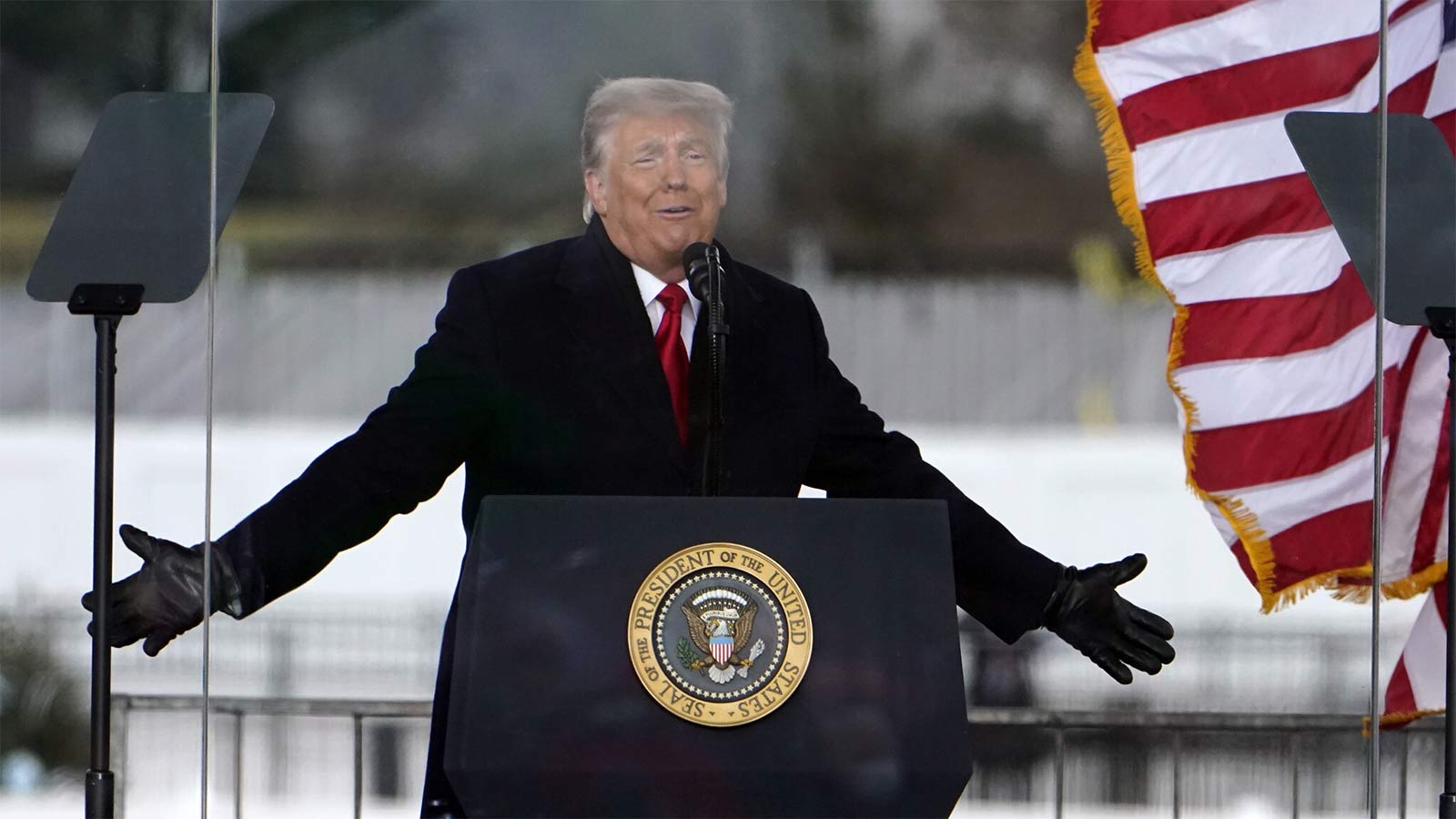
WASHINGTON (Azat TV) – The U.S. Senate on Wednesday, March 4, 2026, rejected a resolution that would have required President Donald Trump to seek congressional approval for any further military action in Iran. The 47-53 vote, largely along party lines, came just five days after the United States and Israel launched a significant military campaign against the Iranian regime, escalating tensions in the Middle East and igniting a fierce debate over executive war powers.
The resolution, spearheaded by Democrats and co-sponsored by Senator Tim Kaine of Virginia, aimed to invoke the 1973 War Powers Act. This legislation, enacted during the Vietnam War, mandates that a president notify Congress within 48 hours of deploying U.S. forces into hostilities and terminate the deployment within 60 days unless Congress authorizes or extends it. Its failure marks a significant victory for the Trump administration, allowing it to continue its military operations in Iran without immediate legislative constraint.
Senate Vote Underscores Deep Partisan Divide
The vote highlighted the deep partisan chasm within Congress regarding the ongoing conflict. Nearly all Senate Democrats supported the resolution, arguing for a reassertion of Congress’s constitutional authority to declare war. Senator Chris Van Hollen of Maryland, a member of the Senate Committee on Foreign Relations, strongly condemned the administration’s actions. “Trump is lying to the American people as he launches an illegal, regime-change war against Iran,” Van Hollen stated, claiming the conflict endangered American lives and resulted in mass civilian casualties. Senator Andy Kim, another Democrat, attributed the deaths of six U.S. service members to the President’s decision to initiate the war, emphasizing the need for congressional approval.
The sole Republican to vote in favor of the resolution was Senator Rand Paul of Kentucky. Conversely, Senator John Fetterman of Pennsylvania was the only Democrat to vote against it, arguing that curbing the President’s authority mid-campaign would send a detrimental message. Senate Democratic Leader Chuck Schumer of New York expressed his dissatisfaction with administration briefings, calling them “very unsatisfying” and criticizing what he described as shifting explanations for the military action.
Republicans, by contrast, overwhelmingly united behind the Iran campaign. Senators like Lindsey Graham of South Carolina, a long-time Iran hawk, expressed strong support, stating he had “never felt better about how this ends” and outlining goals to dismantle Iran’s ballistic missile capabilities and support for terrorist networks. Senator Markwayne Mullin of Oklahoma echoed this, praising the President for taking out a regime that had threatened the U.S. for 47 years. Senator Kevin Cramer of North Dakota defended Trump’s decision to act without a formal congressional vote, citing the President’s latitude as commander-in-chief.
Arguments for and Against Executive Authority
The debate extended beyond partisan lines into fundamental questions about the balance of power. Democrats have accused President Trump of increasingly sidelining Congress on matters of war, noting that his administration has struck seven other countries without seeking authorization during his second term. Secretary of State Marco Rubio and Defense Secretary Pete Hegseth, in classified briefings, warned lawmakers that operations could intensify. Rubio publicly suggested that Israel’s plans to attack Iran influenced the U.S. decision to strike first, later emphasizing Iran’s ballistic missile development as an imminent threat.
While largely supporting the current air campaign, some Republican senators expressed reservations about the potential for deploying U.S. ground troops. Senator Roger Wicker, chair of the Senate Armed Services Committee, noted that administration officials would not rule out such a possibility. Senator Mullin, while supporting the elimination of the threat, indicated that ground troop deployment would necessitate congressional involvement. Senator John Hoeven of South Dakota emphasized keeping options open for adversaries, while Senator Cramer stated that boots on the ground would ‘not be desirable’ but did not take any options off the table.
Defense Secretary Pete Hegseth told reporters that the U.S. and Israel were days away from controlling Iranian airspace and could “sustain this fight easily for as long as we need to,” adding, “we’re just getting started.” He also mentioned the war could extend eight weeks, a longer timeframe than previously suggested. The ongoing conflict has already resulted in the deaths of six U.S. military members in a drone strike in Kuwait, underscoring the human cost of the war, as acknowledged by Senator Joni Ernst of Iowa, whose state lost a soldier.
Future Congressional Influence on Iran Conflict
Despite the Senate’s rejection, the push for congressional oversight is far from over. The House of Representatives is expected to vote on a similar measure on Thursday. House Speaker Mike Johnson has likened the resolution to siding “with the enemy” and stated he has the votes to defeat it, although at least two House Republicans, Representatives Warren Davidson of Ohio and Thomas Massie of Kentucky, have indicated they will break party ranks to support it.
Even if both chambers were to approve such a resolution, President Trump is widely expected to issue a veto. Overriding a presidential veto requires a two-thirds majority in both the House and Senate, a threshold that has historically proven difficult to achieve for war powers resolutions. Congress has never successfully overridden a presidential veto of such a measure.
Lawmakers may find another avenue to assert their constitutional role through the appropriations process. Representative Tom Cole of Oklahoma, chair of the House Appropriations Committee, confirmed that the Defense Department is preparing a request for a supplemental funding package for the ongoing operations. Senate Minority Leader Chuck Schumer stated that before approving any supplemental funding, Congress would need clarity on the “real goals” and “end game” of the conflict. Senator Chris Coons of Delaware echoed this, calling for open hearings to address planning failures and clarify the war’s objectives and duration.
Senator Kaine emphasized that the War Powers measure was “not a one and done” effort, indicating that Democrats are exploring other strategies, including leveraging the appropriations process, to weigh in on the conflict. This week’s votes, he said, are “the first effort of all Congress going on the record about this. But I can assure you it’s not going to be the last.”
The Senate’s failure to curb President Trump’s war powers in Iran highlights the enduring tension between executive prerogative and legislative oversight in matters of national security. While the immediate outcome reinforces presidential authority, the ongoing debate over funding and the potential for ground troop deployments ensure that Congress will continue to seek avenues to influence the direction and scope of the escalating conflict, reflecting a deeply fractured political landscape on foreign policy.