
Quick Read
- Pam Bondi’s comments on hate speech have ignited debates over free speech in the U.S.
- Legal experts argue that hate speech, as such, is not a prosecutable offense under the First Amendment.
Pam Bondi’s Comments Ignite a Storm
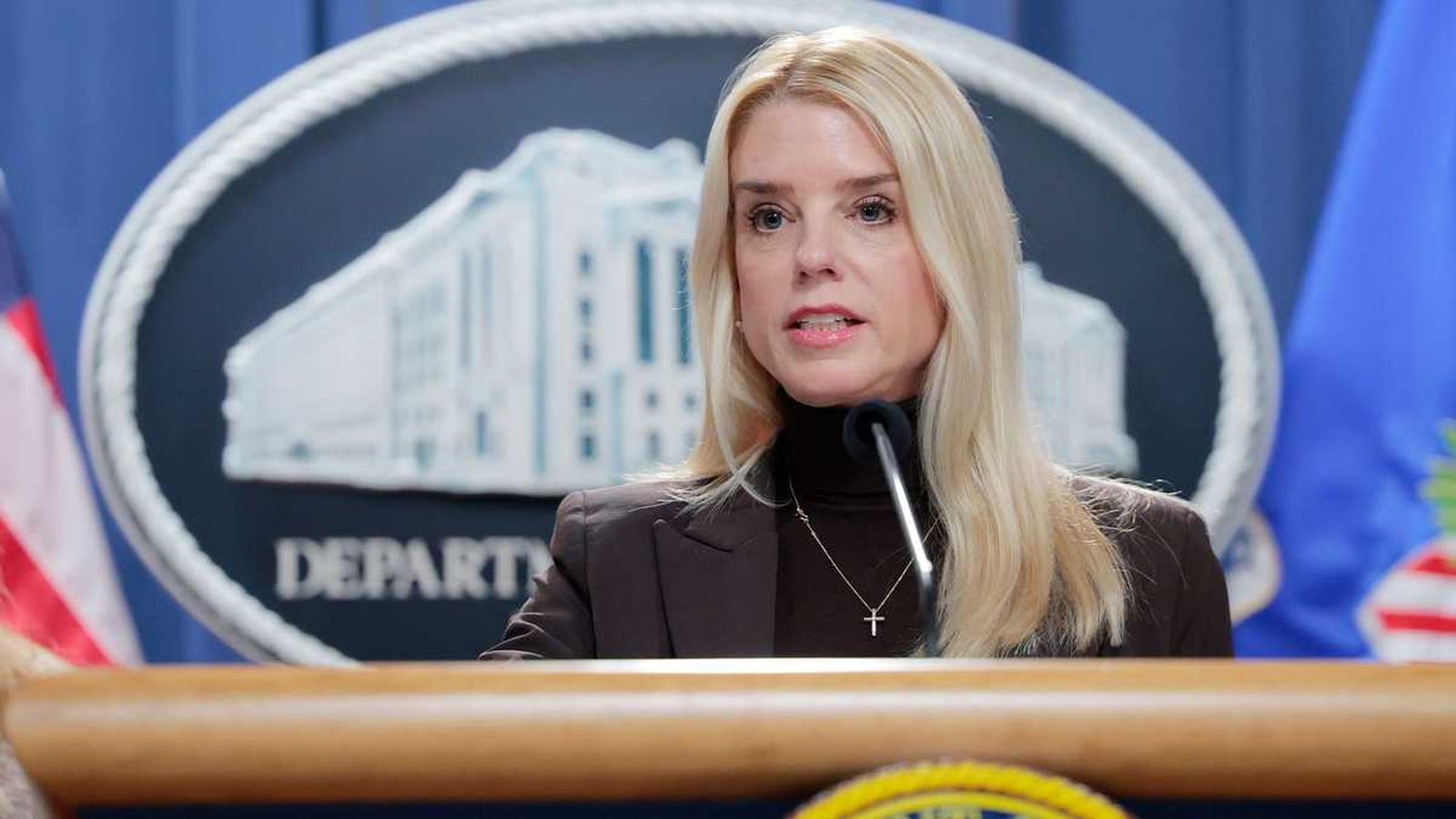
In a political climate already fraught with tension, Attorney General Pam Bondi’s recent remarks about hate speech have set off a firestorm of controversy. Speaking on the “Katie Miller Podcast,” Bondi stated, “There’s free speech and then there’s hate speech, and there is no place, especially now, especially after what happened to Charlie [Kirk], in our society.” Her comments, referencing the recent assassination of conservative activist Charlie Kirk, quickly sparked heated debates across the political spectrum.
Bondi’s initial remarks seemed to suggest a broader crackdown on hate speech, a term often used but rarely defined in legal terms. “We will absolutely target you, go after you, if you are targeting anyone with hate speech,” she said. The statement, however, left many wondering: what exactly constitutes hate speech, and how does it intersect with the First Amendment’s broad protections?
The Legal and Political Backlash
Criticism came swiftly from both sides of the aisle. Within conservative circles, Bondi’s remarks were met with accusations of betraying core constitutional values. Prominent MAGA voices like Matt Walsh and Erick Erickson condemned her stance as an overreach, arguing that it opened the door to government overregulation of speech. “There is no law against saying hateful things, and there shouldn’t be,” Walsh wrote. “Hate speech is not even a valid or coherent concept.”
On the left, civil liberties experts also raised alarms. Heidi Kitrosser, a Northwestern law professor, warned that Bondi’s rhetoric could blur the line between protected speech and actionable threats. “By being so vague,” Kitrosser said, “she is basically opening the door for taking action against anyone who engages in speech that the administration doesn’t like.”
Bondi attempted to clarify her position the following day, emphasizing that her focus was on speech that crosses the legal threshold of incitement or violent threats. “Hate speech that crosses the line into threats of violence is NOT protected by the First Amendment. It’s a crime,” she stated in a post on X (formerly Twitter). While this clarification addressed some concerns, it failed to quell the broader backlash.
Understanding the First Amendment
The First Amendment of the U.S. Constitution broadly protects freedom of speech, even when that speech is offensive or hateful. Legal experts agree that there is no specific category of “hate speech” under U.S. law. Carolyn Iodice, legislative and policy director for the pro-free speech group FIRE, explained, “Hate speech is not a legal concept, and there’s no First Amendment exception for it.”
However, there are narrow exceptions to free speech protections, including true threats, incitement to imminent violence, and certain types of harassment. Jonathan Adler, a professor at William & Mary Law School, noted that while Bondi’s clarification focused on these exceptions, her initial remarks left room for misinterpretation. “Yes, true threats and incitement can be prosecuted. But that does not mean ‘hate speech,’ as such, can be prosecuted,” Adler said.
The Supreme Court has repeatedly upheld these principles. In the 2017 case Matal v. Tam, the Court struck down a law that prevented disparaging trademarks, reaffirming that even offensive speech is protected under the First Amendment. This precedent underscores the challenges Bondi might face in implementing any policy targeting hate speech.
The Broader Implications
Bondi’s comments come at a time of heightened political violence and social division in the United States. The assassination of Charlie Kirk, a vocal free speech advocate, has added urgency to discussions about the boundaries of acceptable discourse. For many, Bondi’s remarks reflect a growing tension between combating harmful rhetoric and preserving fundamental freedoms.
This tension is particularly acute within the MAGA movement, where free speech has long been a rallying cry. Trump campaign advisor Katie Miller criticized Bondi’s stance, tweeting, “Pam Bondi should know better. Policing language—even hateful speech—sets a dangerous precedent. Free speech is free speech, period.”
Meanwhile, civil rights organizations caution against using hate speech laws as tools of political suppression. “The danger,” Kitrosser warned, “is that vague or overly broad definitions of hate speech could be weaponized to silence dissenting voices, particularly in a polarized political environment.”
Where Do We Go From Here?
As the debate unfolds, one thing is clear: Bondi’s remarks have reignited a longstanding national conversation about the limits of free speech. While her intentions may have been to address the rise in political violence, her comments have highlighted the complexities and sensitivities of regulating speech in a democratic society.
For now, the Justice Department appears to be stepping back from Bondi’s initial rhetoric. Harmeet Dhillon, assistant attorney general for the Civil Rights Division, clarified, “We are not prosecuting people for nasty speech alone—but true incitement to violence, or hate-motivated attacks, are illegal and will be treated as such by this DOJ.”
As the nation grapples with rising political tensions and the upcoming elections, Bondi’s stance serves as a stark reminder of the challenges in balancing public safety with constitutional freedoms. The debate over hate speech and the First Amendment is far from over, and its outcome will likely shape the future of free expression in America.
Pam Bondi’s comments have sparked an important but deeply polarizing debate. While her intentions to curb violence are commendable, her approach risks undermining the very freedoms that form the cornerstone of American democracy. The challenge lies in addressing harmful rhetoric without eroding constitutional rights—a delicate balance that demands careful thought and measured action.