


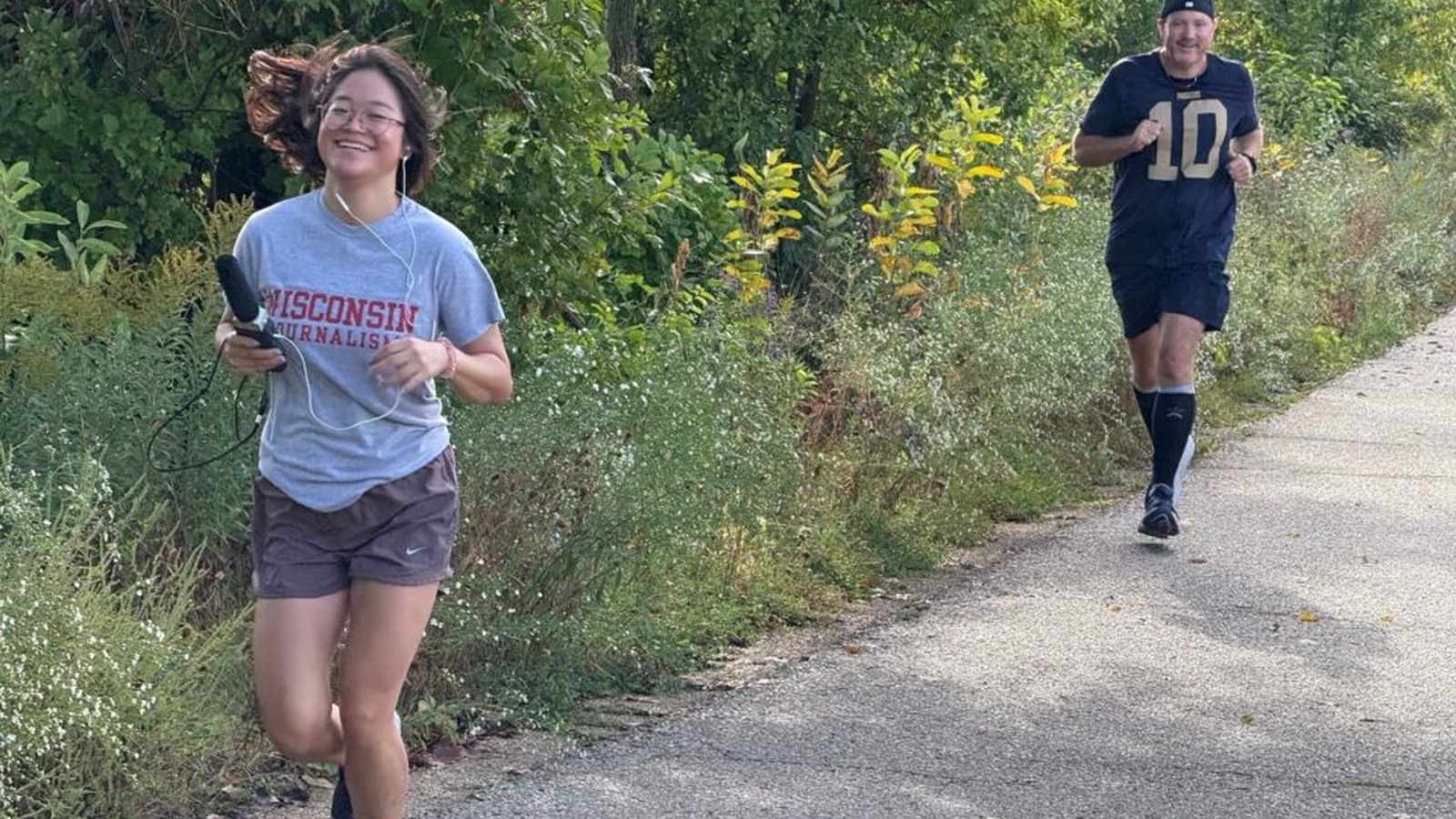
WELLINGTON (Azat TV) – The global phenomenon of Parkrun is undergoing a significant scaling phase as its volunteer-led 5km model continues to reshape weekend social and athletic landscapes from New Zealand to the United States. With over 12 million registered participants across 25 countries, the initiative has evolved from a niche local jogging group into a major civic fixture that is now straining the limits of its informal organizational structure.
The Mechanics of a Growing Community Movement
At its core, Parkrun operates on a simple, low-friction premise: free, weekly, timed 5km events that prioritize participation over performance. In New Zealand, the model has grown from a single event in the Hutt Valley in 2012 to nearly 70 active locations, drawing more than 10,000 participants every Saturday. This rapid expansion is mirrored in international markets, including Madison, Wisconsin, where local organizers have successfully adapted the Australian-inspired format to foster community ties on the University of Wisconsin campus.
The movement’s growth relies on a standardized, portable registration system that allows individuals to participate at any event globally after a single sign-up. This logistical ease, combined with a culture of milestones—where runners track cumulative events completed—has created a sustainable cycle of repeat attendance. Darren de Groot, a long-term volunteer in Christchurch, notes that the appeal lies in the transition from solitary exercise to a collective ritual. Participants are not merely runners; they are part of a social economy where volunteers—from tail-walkers ensuring no one finishes last to barcode scanners—provide the infrastructure that replaces institutional funding.
Stakes of Continued Expansion and Governance
As Parkrun events continue to multiply, the movement faces critical questions regarding its long-term sustainability. The reliance on a purely volunteer-driven engine is being tested by the sheer volume of participants and the increasing demand for routine course management. Municipalities are now tasked with balancing the influx of large, organized groups in public parks with the need for inclusive access for families, walkers, and varied fitness levels.
The shift from informal community gatherings to a massive global network has brought the relationship between grassroots organizers and formal sporting bodies into sharper focus. The primary challenge remains preserving the movement’s accessibility and volunteer spirit while managing the operational complexity of thousands of events. As more regions adopt the format, the pressure on existing volunteer bases to maintain consistent, safe, and welcoming environments is at an all-time high.
The rapid transformation of Parkrun from a local hobby to a global health infrastructure project suggests that the future of community fitness may lie not in institutional programs, but in decentralized, volunteer-led frameworks that prioritize social inclusion over elite competition.