
Quick Read
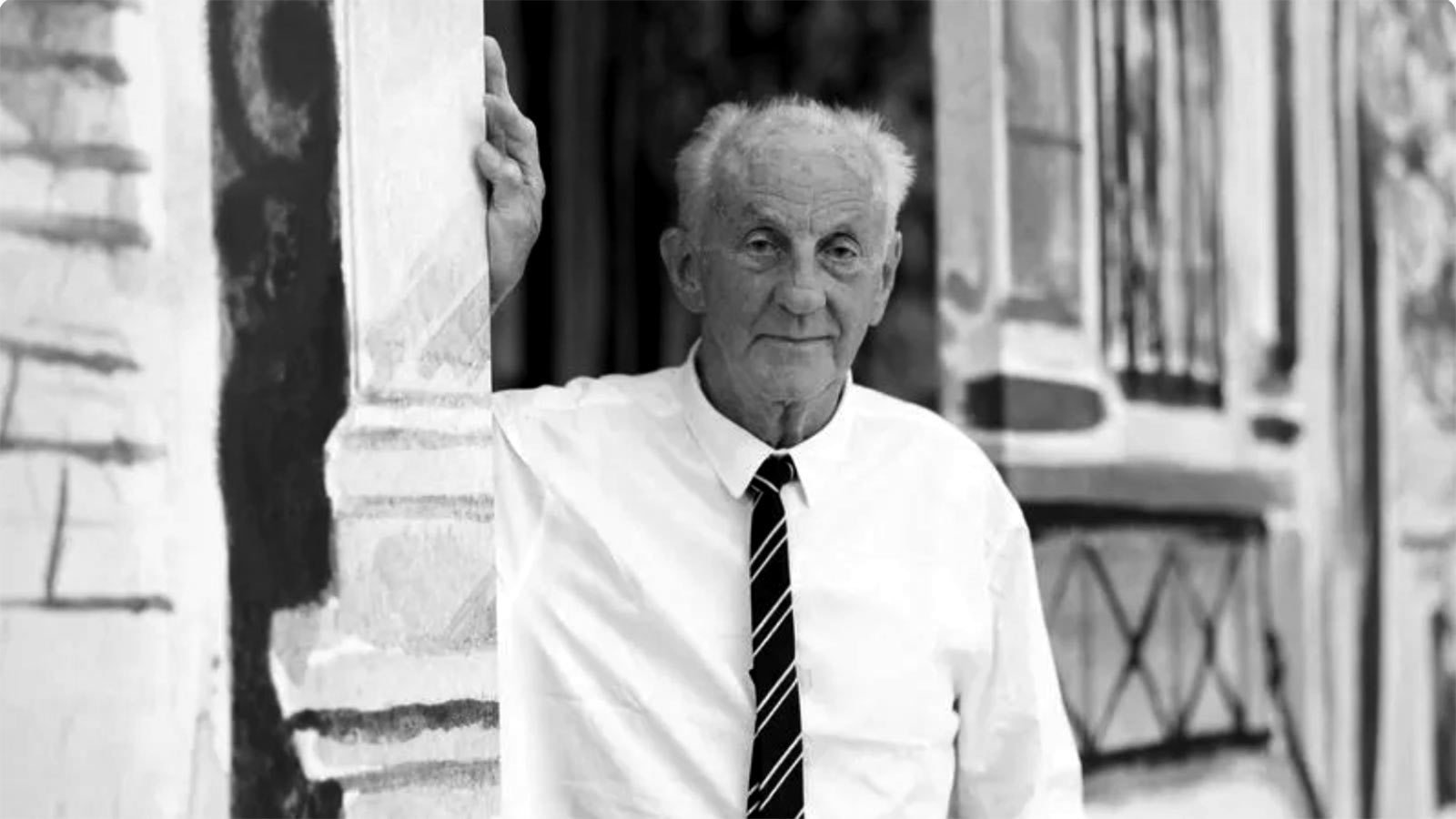
- Paul Costelloe, iconic Irish fashion designer, died in London at age 80 after a short illness.
- He was the personal designer to Princess Diana from 1983 until her death in 1997.
- Costelloe’s work emphasized Irish fabrics and heritage, and his brand remains influential.
- He presented collections in London, Paris, Milan, and New York, and collaborated with major retailers.
- Irish leaders and the fashion world have paid tribute to his lasting impact on the industry.
Paul Costelloe’s name is woven into the fabric of modern fashion history—a thread that runs from the rain-soaked streets of Dublin to the glimmering catwalks of London, Paris, and Milan. On November 22, 2025, the world learned of his passing in London at the age of 80, leaving behind a legacy that is as much about artistry as it is about personal connection and national pride.
Born in Dublin in 1945, Costelloe was destined for the world of textiles. His father ran a successful raincoat manufacturing business in Rathmines, a district long known for its industrious spirit. It was here, in the hum of fabric and the rhythm of the sewing machine, that young Paul first understood the power of clothing—not just to cover, but to express and transform.
After his foundational studies at the Grafton Academy of Fashion Design, Costelloe’s ambitions pulled him to Paris. He trained at the prestigious Chambre Syndicale de la Haute Couture, absorbing both technical skill and the creative energy of an era defined by designers like Emanuel Ungaro and Pierre Cardin. Yet, as Costelloe himself reflected, the classroom was only part of the education; the city itself, with its relentless drive for innovation, shaped his approach to fashion.
From Dublin to the World: A Designer’s Journey
Costelloe’s career path was anything but linear. He began as an assistant to Jacques Esterel, learning the intricacies of design and the importance of vision. Milan soon called, offering a position at Marks & Spencer during its attempt to enter the Italian market. Though that venture didn’t succeed, Costelloe stayed in Milan, pivoting to work for luxury department store La Rinascente and later moving to the United States to design for the Anne Fogarty label.
These experiences, spanning different cultures and commercial philosophies, gave Costelloe a rare perspective. He understood that fashion wasn’t just about trends—it was about understanding people, their lives, and the environments they inhabit. This philosophy would become a cornerstone of his own brand, Paul Costelloe Collections, established in 1979.
Royal Recognition: Dressing Princess Diana
The defining moment of Costelloe’s career arrived in 1983, when he was appointed personal designer to Princess Diana. The connection began almost serendipitously: one of Diana’s ladies-in-waiting noticed his designs and arranged a meeting. For Costelloe, it was a transformative moment. “I looked out at Hyde Park and I said: ‘God, this is it, Paul, you have made it!’” he recalled in a recent interview with Irish broadcaster RTÉ.
For over a decade, Costelloe’s creations helped shape Diana’s public image, blending elegance with approachability. His use of traditional Irish fabrics—linen and tweed, notably—gave the princess a signature look that was both regal and relatable. The partnership endured until Diana’s tragic death in 1997, but its influence continued to ripple through British and Irish fashion.
Championing Irish Heritage and Global Style
Costelloe’s designs have always been infused with a sense of place. He was proud of his Irish roots, frequently using indigenous textiles and collaborating with local manufacturers. His work with Dunnes Stores and his role as closing designer for the inaugural Ireland Fashion Week in October 2025 underscored his commitment to nurturing the Irish fashion industry.
Yet, Costelloe was never afraid to speak his mind. In 1998, he caused a stir by stating that Irish women “lacked style,” arguing that it was not inherent in their nature as it was with Italians. The comment sparked debate, but in later years, he softened his stance. In a 2025 interview, he observed that Ireland had become “more European than years ago,” reflecting a nation and a fashion scene in transition.
Legacy and Tributes
Costelloe’s death has been met with an outpouring of tributes from across the fashion world and beyond. Taoiseach Micheál Martin described him as “an icon of design,” emphasizing how Costelloe elevated Irish fashion to the global stage. Tánaiste Simon Harris praised his “remarkable life,” highlighting the discipline, talent, and commitment that defined his work.
Beyond the accolades, Costelloe’s legacy lives on through his family—his wife and seven children, who were at his side during his final moments. His company, which continues to produce womenswear, menswear, bags, and accessories, remains a testament to his vision and perseverance.
As the fashion world reflects on Costelloe’s contributions, one thing is clear: his story is not just about clothes, but about the enduring power of creativity, identity, and connection. From the factories of Dublin to the royal residences of London, Paul Costelloe stitched together a life that continues to inspire.
In the end, Paul Costelloe’s legacy is defined not just by the garments he designed, but by his ability to bridge worlds—Irish and British, tradition and innovation, royalty and everyday life. His work reminds us that fashion can be both art and heritage, and his influence will echo through the industry for years to come.