
Quick Read
- Paul Scholes stepped away from regular football commentary to care for his autistic son, Aiden.
- Aiden, who turns 21 in December, is non-verbal and requires constant routine and care.
- Scholes co-parents Aiden with his ex-wife Claire and prioritizes his son’s needs over his career.
- Scholes’ openness aims to support other families facing similar challenges.
Paul Scholes’ Quiet Transformation: A Father First, Football Second
For millions of football fans around the globe, Paul Scholes remains the embodiment of loyalty and understated brilliance. The former Manchester United midfielder is famed for his pinpoint passing and relentless work ethic. Yet, behind the scenes, Scholes has been navigating a profoundly different challenge—a journey shaped by his son Aiden’s autism diagnosis, and a father’s unwavering commitment to his child’s wellbeing.
Aiden’s Story: The Diagnosis That Changed Everything
On a recent episode of the “Stick to Football” podcast, Scholes offered a rare and deeply personal account of why he stepped away from the punditry spotlight. His decision was never about fame or burnout. It was about Aiden, his youngest son, who turns 21 this December and requires constant care due to his severe autism. Scholes explained, “Everything I’m going to do now just works around him.” For years, Scholes tried to balance Europa League commentary duties and fatherhood. Thursday nights—his usual time with Aiden—became fraught with agitation and distress for his son when routines were disrupted. “He knows the pattern’s not there straight away,” Scholes said, describing how even small changes could trigger biting or scratching.
Aiden’s autism, diagnosed when he was two-and-a-half, was a revelation that arrived after a period of uncertainty. Scholes recalls the early days with a quiet candor: “You knew early something was wrong, but then you get the diagnosis, and I’d never heard of it.” During his playing career, the family kept the diagnosis private. Scholes faced the isolation of handling his son’s challenges alone, even when his form on the pitch began to slip. He revealed, “I remember the first time after we were playing Derby away and I just didn’t want to be there. I remember the manager dropped me the week after actually, and I hadn’t told anyone. I ended up telling them a few weeks later, I think, as it was quite hard.” (Irish Examiner)
Reshaping Routine: The Decision to Step Back
Scholes’ choice to withdraw from regular TV and commentary work is both practical and emotional. His schedule now revolves around Aiden’s needs, from daily routines to moments of joy and frustration. “I do studio work, but everything is built around his day,” he explained. The tension between public obligations and private responsibilities led Scholes to switch to podcasting—a medium that offers more flexibility and allows him to remain present for Aiden. “I thought that would suit me more – well, not me, Aiden,” he noted.
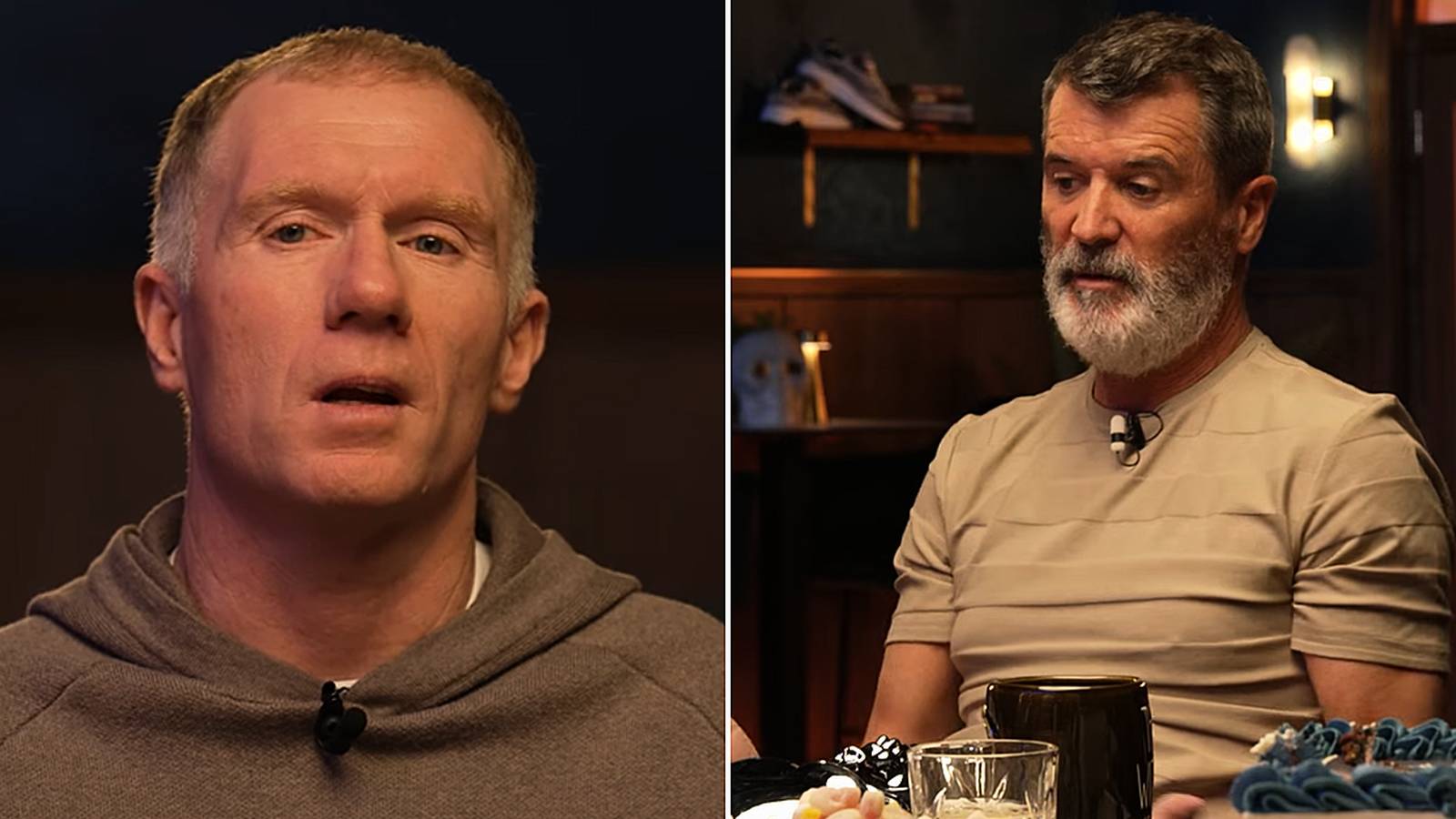
As Scholes spoke, his vulnerability resonated not just with the audience, but with his fellow football legends. Roy Keane, a man renowned for his tough exterior, offered quiet reassurance. When Scholes admitted that he often worries about Aiden’s future after he is gone, Keane replied, “Don’t look that far ahead, Scholesy man. Day at a time, I’m serious. We all look too far ahead.” (Balls.ie)
Parenting Under Pressure: The Hidden Realities
Scholes’ story isn’t just about football—it’s a reflection of the silent struggles so many parents face. His candor about Aiden’s non-verbal autism and the challenges of co-parenting with his ex-wife Claire speaks to the heart of family life that rarely makes headlines. He’s clear about his intentions: “I don’t want any sympathy or anything. I just thought, even if I did speak to someone about it, it’s not going to help Aiden.” The daily grind—ensuring Aiden’s routines are predictable, handling agitation, and facing the unknown—continues to shape Scholes’ priorities. His openness aims to help other families feel less alone, showing that even high-profile figures face the same fears, hopes, and doubts as anyone else.
The emotional toll is evident. “The big concern now is, because you’re getting a bit older, what happens when you’re not here? That’s the thing that’s now on my mind all the time.” For parents of children with disabilities, this is a universal worry—what will happen when they can no longer be the anchor their child needs?
The Football Family Responds: A Moment of Solidarity
The podcast episode became a moment of solidarity. Scholes’ former teammates—Gary Neville, Ian Wright, Jill Scott—listened with empathy. Roy Keane’s advice, delivered in his signature plainspoken style, captured the essence of support: take each day as it comes. In a world that often demands forward planning and constant momentum, Keane’s words offer a reminder that sometimes, the most meaningful act is to simply be present.
Football is a game of discipline, strategy, and adaptability. Yet, the lessons Scholes draws from his life with Aiden transcend the pitch. They are lessons in patience, acceptance, and the courage to let go of control.
Speaking Up: Impact Beyond the Pitch
Scholes’ hope is that by sharing his story—the difficult moments as well as the joyful ones—he can help other families navigating similar paths. The visibility of his experience challenges stigma and encourages understanding. It’s not about seeking sympathy, but about fostering connection and awareness. “You never know what people are going through,” he said, echoing a sentiment that resonates far beyond football.
His decision to keep Aiden’s diagnosis private for years was driven by a desire to protect his son. Now, by speaking out, Scholes is shifting the narrative: making it clear that vulnerability and strength can coexist. His reflections on the future—worrying about what will happen to Aiden when he is “not here anymore”—are honest and deeply human.
Ultimately, Scholes’ journey is a testament to the enduring bond between parent and child, and the power of prioritizing family over fame. His openness shines a light on the realities of raising a child with autism, and the sacrifices that come with unconditional love.
Paul Scholes’ candid account is not only a powerful insight into parenting a child with complex needs, but also a reminder that true strength lies in vulnerability. By sharing his fears, hopes, and daily struggles, Scholes offers a rare glimpse into the intersection of celebrity and real life—where the most important victories are not won on the pitch, but at home, one day at a time.