
Quick Read
- A federal judge voided Pentagon rules that restricted press access for journalists refusing to sign restrictive reporting pledges.
- The ruling forces the immediate reinstatement of credentials for national security reporters who were barred from the building.
- The court determined the policy was a form of viewpoint discrimination intended to silence coverage deemed unfavorable by the department.
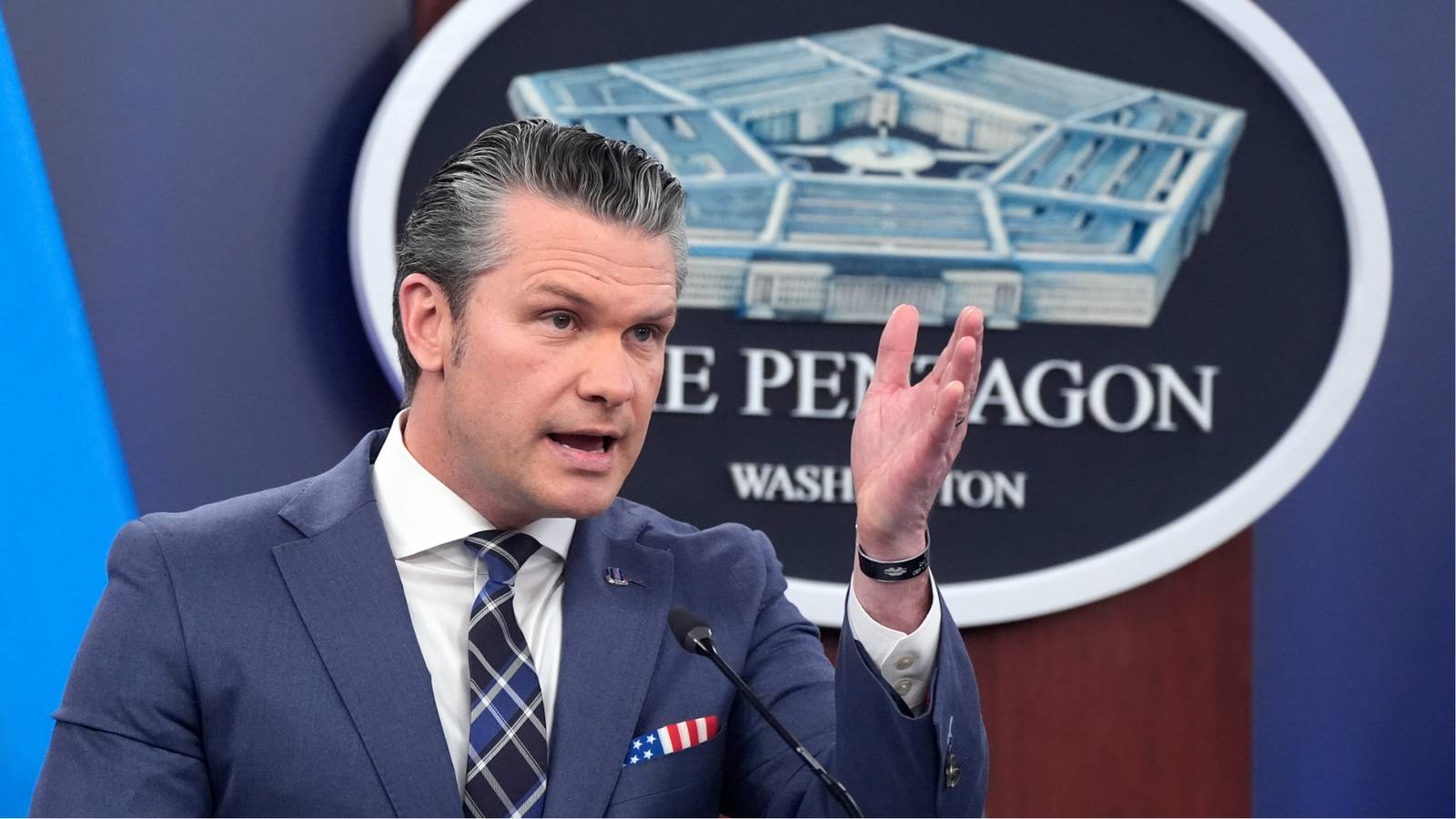
WASHINGTON (Azat TV) – A senior U.S. district judge has voided key provisions of a restrictive press policy implemented by Defense Secretary Pete Hegseth, ruling that the Pentagon’s efforts to control media access violated the constitutional rights of journalists. The decision marks a significant legal setback for the Defense Department, which had faced mounting criticism for attempting to bypass First Amendment protections amid heightened national security operations in Iran and Venezuela.
Challenging Pentagon Press Access Restrictions
In his ruling, Senior U.S. District Judge Paul Friedman struck down mandates that required reporters to sign pledges against using unauthorized material to receive press credentials. The policy, which had led to the revocation of badges for several national security correspondents from outlets including The New York Times, was described by the court as a form of viewpoint discrimination. Judge Friedman noted that the Department of Defense had been openly hostile to mainstream organizations while showing preference to outlets that aligned with the administration’s narrative.
Legal Grounds for the Ruling
The court found that the Pentagon’s policies were both unconstitutionally vague and a breach of due process. By requiring journalists to avoid unspecified unauthorized information, the policy effectively chilled essential reporting practices, such as questioning department employees. Judge Friedman emphasized that the public interest in an informed citizenry, particularly during active military engagements, outweighs the government’s desire to curate its own coverage.
Implications for Independent Journalism
The ruling mandates the immediate reinstatement of press credentials for journalists who were previously denied access. Legal representatives for the plaintiffs characterized the decision as a decisive victory for the freedom of the press at a time when government transparency is essential. While the Defense Department has not yet issued a formal response to the order, the ruling sets a clear boundary against administrative attempts to regulate the flow of information from the nation’s military headquarters.
The court’s decision serves as a critical check on executive overreach, reinforcing that national security justifications cannot be used as a blanket rationale to suppress independent oversight of government actions, especially when those actions involve ongoing foreign military operations.