


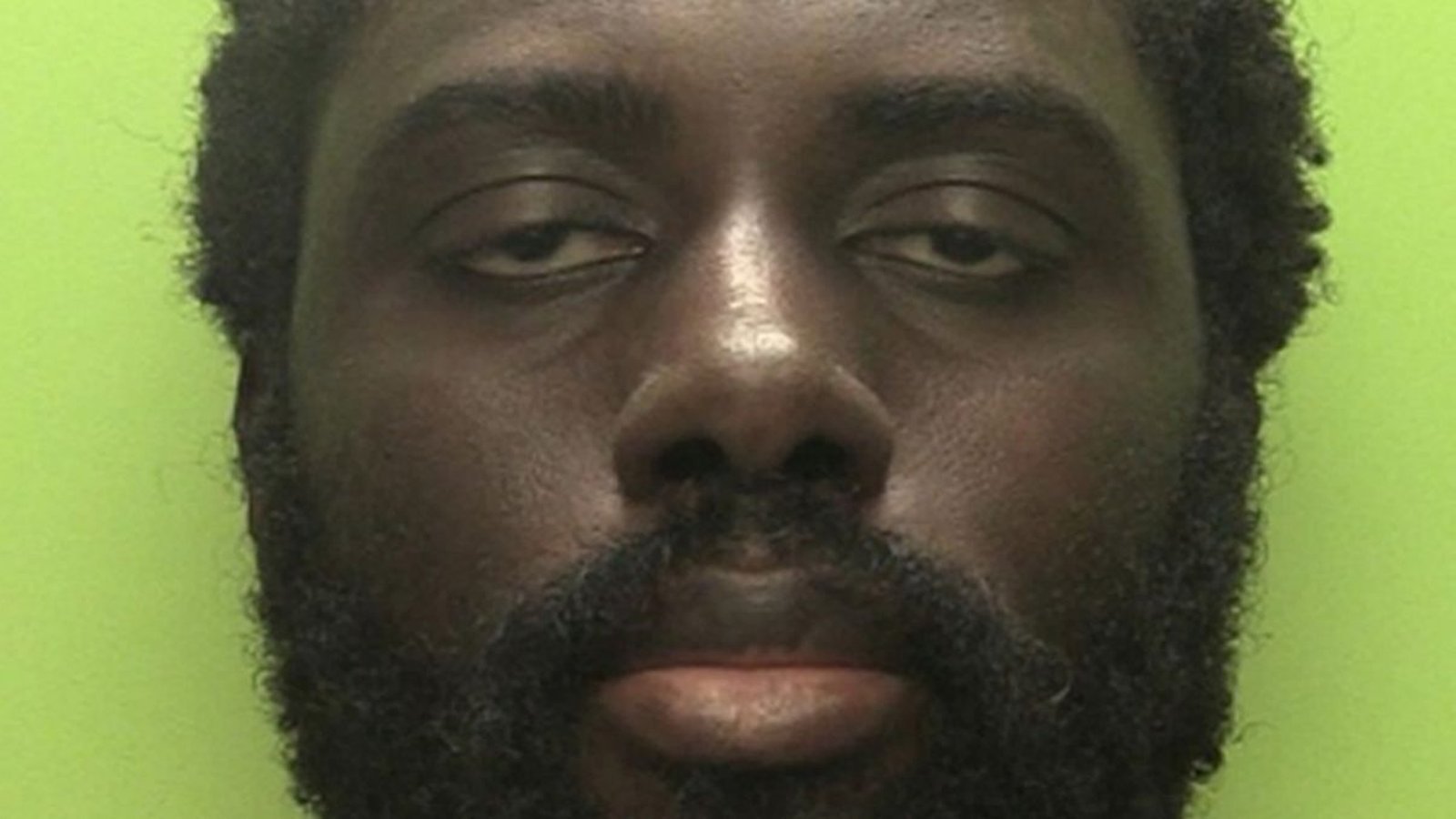
NOTTINGHAM (Azat TV) – Nottinghamshire police leadership has officially acknowledged a critical failure in the handling of triple killer Valdo Calocane, confirming that the offender should have been in custody prior to his lethal 2023 stabbing spree. The admission, delivered on March 20, 2026, marks a somber turning point in the ongoing scrutiny of how law enforcement managed a known, high-risk individual suffering from severe mental health issues.
The Critical Failure in Custody Oversight
The core of the controversy centers on a series of missed arrest warrants that, had they been executed, would have removed Calocane from the public sphere before he claimed the lives of Barnaby Webber, Grace O’Malley-Kumar, and Ian Coates on June 13, 2023. Officials have now conceded that internal communication breakdowns and administrative errors prevented officers from acting on existing warrants. This oversight has intensified public demand for accountability, with families of the victims long arguing that the tragedy was entirely preventable had the force followed established protocols.
The ‘Drugs Blunder’ and Systemic Lapses
The investigation into police conduct has highlighted a pattern of systemic failures that extends beyond the Calocane case. Reports indicate that the force struggled with a significant ‘drugs blunder’ and administrative negligence that allowed the perpetrator to remain at large despite being a subject of active police interest. The Independent Office for Police Conduct (IOPC) has flagged these recurring issues, noting that Leicestershire and Nottinghamshire forces have repeatedly failed to demonstrate ‘organisational learning’ following similar incidents. The failure to track and apprehend individuals with outstanding warrants has become a central focus of the current inquiry into institutional competence.
Current Status of the Perpetrator
While the police face intense scrutiny, Calocane remains under a strict, high-security regime at Ashworth High Secure Hospital. According to reports from the facility, the 34-year-old is kept in long-term segregation, isolated behind toughened glass with minimal human contact. Due to his unpredictable behavior and persistent symptoms of paranoid schizophrenia, staff manage his care through a secure hatch, reflecting the extreme security measures deemed necessary for his confinement. This rigid environment stands in stark contrast to the period of relative freedom he experienced prior to the murders, a period now defined by the missed opportunities that authorities are finally acknowledging.
The admission of these failures underscores a systemic crisis in how law enforcement prioritizes the tracking of high-risk individuals, suggesting that without fundamental changes to how arrest warrants are processed and monitored, the gap between policy and practice will continue to endanger public safety.