
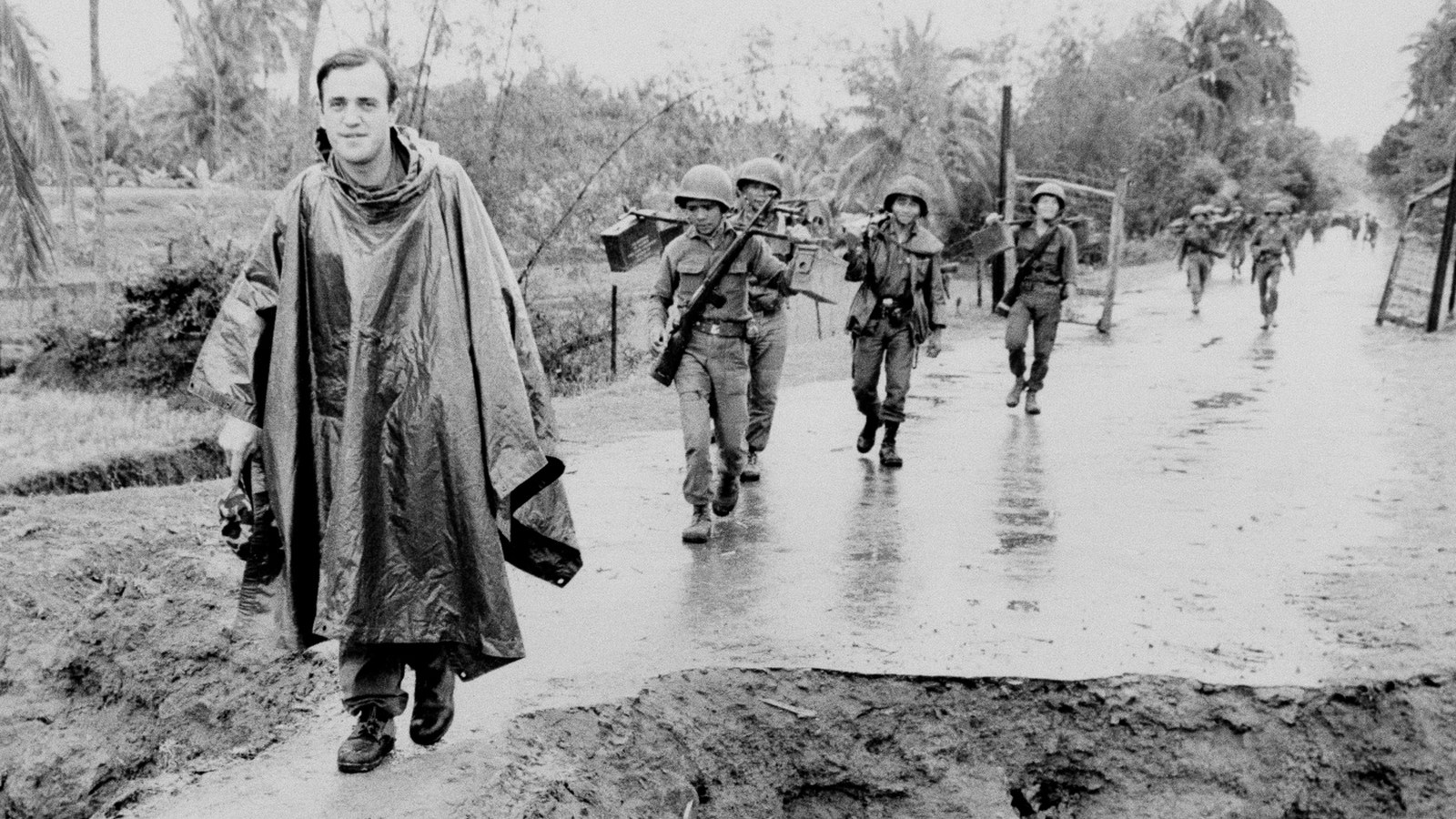
Quick Read
- Peter Arnett, Pulitzer Prize-winning war correspondent, died at age 91.
- Arnett reported on Vietnam and Gulf wars, shaping global war coverage.
- He became famous for live reporting from Baghdad during the 1991 Gulf War.
- Arnett faced controversy but continued reporting for international outlets.
- He taught journalism after retirement, leaving a lasting legacy.
Peter Arnett’s Death Marks the End of a War Reporting Era
Peter Arnett, whose name became synonymous with war correspondence, passed away at the age of 91 in Newport Beach, surrounded by family and friends. Renowned for his relentless pursuit of the truth amidst chaos, Arnett’s career spanned more than five decades and forever altered the way wars are covered and understood by the public. His death, reported by AP News and corroborated by NPR, closes a chapter on a style of reporting that was equal parts bravery and narrative artistry.
From New Zealand to the Frontlines: The Making of a War Reporter
Born in Riverton, New Zealand in 1934, Arnett’s path into journalism began at the Southland Times shortly after high school. He described his first day on the job as feeling he had ‘found his place,’ a sentiment that would guide his career through some of the world’s most dangerous conflicts. His journey was anything but linear: en route to a newspaper job in London, a stopover in Thailand led him to work for the Bangkok World and later its sister paper in Laos. These experiences, and the connections forged in Southeast Asia, ultimately brought him to the Associated Press as its Indonesia correspondent.
Arnett’s time in Indonesia was cut short after his candid reporting on the country’s economic struggles led to his expulsion—a sign of the controversies and risks that would punctuate his career. But it was in Vietnam, starting in 1962, where Arnett’s reputation as a fearless war correspondent was cemented. Reporting alongside legendary journalists like Malcolm Browne and Horst Faas, Arnett covered the war until the fall of Saigon in 1975, earning the 1966 Pulitzer Prize for International Reporting.
Eyewitness to History: Vietnam to Baghdad
Arnett’s reporting style was immersive, often placing himself directly in harm’s way. In a 1966 incident, he stood beside a battalion commander as enemy fire struck, recalling later that the bullets tore through a map just inches from his face. These vivid experiences translated into compelling, human-centered stories that brought distant conflicts into the living rooms of readers and viewers worldwide.
Though initially a figure known mostly to fellow journalists, Arnett became a household name during the 1991 Gulf War. As most Western reporters fled Baghdad before the U.S.-led assault, Arnett stayed, broadcasting live for CNN from his hotel room as missiles struck nearby. His calm reporting—punctuated by air-raid sirens and the sound of explosions—offered an unfiltered look into the realities of war, setting a new standard for frontline journalism.
Controversy, Resilience, and Reinvention
Arnett’s career was not without turbulence. He secured exclusive interviews with figures like Saddam Hussein and Osama bin Laden, sometimes stirring debate about the role and responsibilities of war correspondents. In 1999, he resigned from CNN following the retraction of an investigative report he narrated, and in 2003, was dismissed from NBC and National Geographic after an interview with Iraqi state TV where he criticized U.S. military strategy. Though denounced as anti-American by some, Arnett quickly found new platforms, reporting for stations in Taiwan, the United Arab Emirates, and Belgium within a week.
His resilience reflected a broader truth about journalism: the importance of independent voice and adaptability. Even when controversy threatened his career, Arnett’s commitment to reporting from the field never wavered. His memoir, Live From the Battlefield: From Vietnam to Baghdad, 35 Years in the World’s War Zones, published in 1995, offers insight into the motivations and dangers that defined his professional life.
Legacy: Lessons for Journalists and Historians
Arnett’s impact extends beyond the stories he told. He left behind practical wisdom for surviving—and thriving—in war zones. Advice from colleagues, like never standing near medics or radio operators, became lore among correspondents. His decision to save, rather than destroy, AP’s Saigon bureau documents preserved a vital historical record now housed in AP’s archives.
After retiring in 2014, Arnett taught journalism at China’s Shantou University, sharing his hard-earned insights with the next generation. He is survived by his wife, Nina Nguyen, and children, Elsa and Andrew. Colleagues like retired AP photographer Nick Ut remember him as more than a coworker—’like a brother,’ whose passing leaves a profound void.
Peter Arnett’s story is not just one of personal courage or journalistic excellence. It is a testament to the enduring value of firsthand reporting and the risks required to illuminate the world’s darkest corners. His legacy serves as a challenge and an inspiration for all who seek to tell the truth, no matter the cost.