
Quick Read
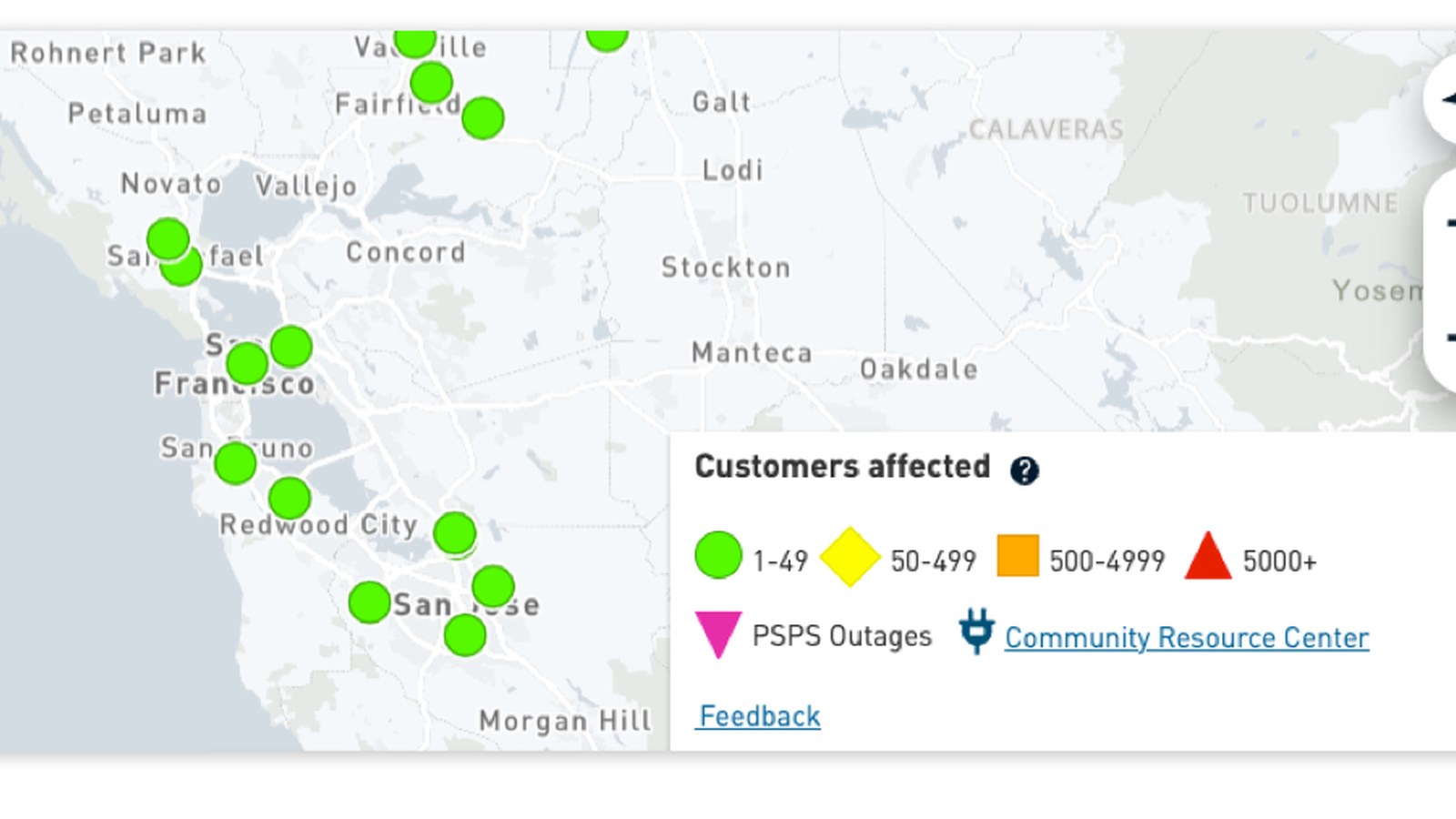
- PG&E outages struck San Francisco twice on December 8, 2025.
- Morning outage at Hunters Point substation affected over 22,500 customers; power restored by late morning.
- Evening outage hit Sunset District, leaving 4,172 customers without electricity.
- Both outages caused by equipment failures, highlighting infrastructure vulnerabilities.
- Residents and officials are demanding upgrades and accountability from PG&E.
Morning Blackout at Hunters Point: 22,500 Lose Power
For thousands in San Francisco, December 8, 2025, began with a jolt—the kind that comes not from an alarm clock, but from the abrupt silence of powerless homes. At 9:54 a.m., a massive power outage swept through the city. Lights flickered out, appliances died, and routines ground to a halt for more than 22,500 Pacific Gas and Electric (PG&E) customers. The cause? A critical equipment failure at the Hunters Point substation, as confirmed by PG&E spokespeople (SF Standard).
The blackout rippled across neighborhoods: Mission, Bayview, Hunters Point, Bernal Heights, Portola, and Silver Terrace all went dark. For hours, families, small businesses, and even hospitals scrambled to adapt. “I was about to start a virtual meeting when the screen just blinked off,” said one Bayview resident, echoing a sentiment felt citywide. Traffic lights malfunctioned, creating tense moments at busy intersections and forcing commuters to improvise their morning routines.
PG&E crews rushed to diagnose and repair the failed equipment. Their efforts paid off by 11:48 a.m., when power was restored, bringing relief to thousands. Still, the city’s confidence in its aging grid was shaken—again.
Sunset District Hit Next: Evening Frustration Builds
Just as San Franciscans were regaining a sense of normalcy, darkness returned. At 6:13 p.m., the Sunset District was plunged into a second outage, this time affecting 4,172 customers. Once more, the culprit was broken equipment. For residents, the timing was particularly harsh: evening hours meant dinner plans spoiled, homework left unfinished, and businesses forced to shutter early or fire up costly generators (KRON4 News).
Frustration mounted. Social media channels filled with exasperated posts, some seeking answers, others demanding accountability from PG&E. With the back-to-back outages, the city’s patience wore thin. Local news crews fanned out across affected neighborhoods, documenting long lines at grocery stores, darkened windows, and the hum of backup generators. The disruptions were not isolated incidents—they reverberated through every aspect of daily life, from transit to commerce to public safety.
Why Do Equipment Failures Keep Happening?
Both outages on December 8 point to a larger, persistent problem: the vulnerability of San Francisco’s power infrastructure. Substations like Hunters Point are critical nodes in the city’s grid. When a single piece of equipment fails, entire neighborhoods can be cast into darkness within minutes. The cascading effects are far-reaching—schools cancel classes, refrigerated goods spoil, and vulnerable residents risk losing access to essential medical devices.
City officials and community advocates have repeatedly warned about the risks posed by PG&E’s aging infrastructure. Calls for accelerated maintenance and system upgrades have grown louder in recent years, especially following high-profile outages and wildfire-related power shutoffs elsewhere in California. Yet, as the December 8 incidents show, progress has been slow, and the consequences are increasingly difficult to ignore.
Community Impact: A Day of Disruption and Uncertainty
For San Francisco’s residents, a power outage is more than an inconvenience—it’s a threat to daily stability. On December 8, businesses lost revenue as they closed early or threw out spoiled inventory. Commuters faced snarled traffic due to dead signals. Families huddled in cold apartments, their food at risk and their routines upended. Even brief outages can have outsized impacts in a dense urban environment.
PG&E, for its part, urged customers to sign up for outage alerts and updates via its website. But for many, the damage was already done. In the Sunset District, some shop owners reported losses of hundreds of dollars in just a few hours. Parents voiced concerns about children missing homework deadlines. For the elderly and those with medical needs, each hour without power brought fresh anxieties.
Local officials, meanwhile, faced renewed pressure to hold PG&E accountable. “We need a comprehensive, transparent plan to upgrade our grid,” said one city supervisor in a televised interview. “San Francisco can’t afford to have entire neighborhoods left in the dark—twice in one day.”
What’s Next for PG&E—and for San Francisco?
These double outages raise urgent questions about PG&E’s ability to provide reliable service to San Francisco. Can the utility act quickly enough to replace aging equipment and shore up vulnerable substations? Will state regulators step in with stricter mandates or penalties if progress stalls? And perhaps most critically, what will it take to restore public confidence in a utility whose failures now seem routine?
Residents, business owners, and city leaders alike are demanding answers. For many, the December 8 outages are a tipping point—a clear signal that the time for incremental fixes has passed. Only substantial investment and transparent action will prevent a repeat of this chaotic day. As the city moves forward, the lessons of December 8 will shape debates over infrastructure, accountability, and the very resilience of urban life in the face of increasingly frequent disruptions.
The back-to-back outages of December 8, 2025, are more than isolated technical failures—they are a warning flare. San Francisco’s reliance on an aging power grid has left its residents exposed to repeated disruption. Unless PG&E and city leaders accelerate efforts to modernize infrastructure, the city’s vulnerability will persist, and public trust will continue to erode.