


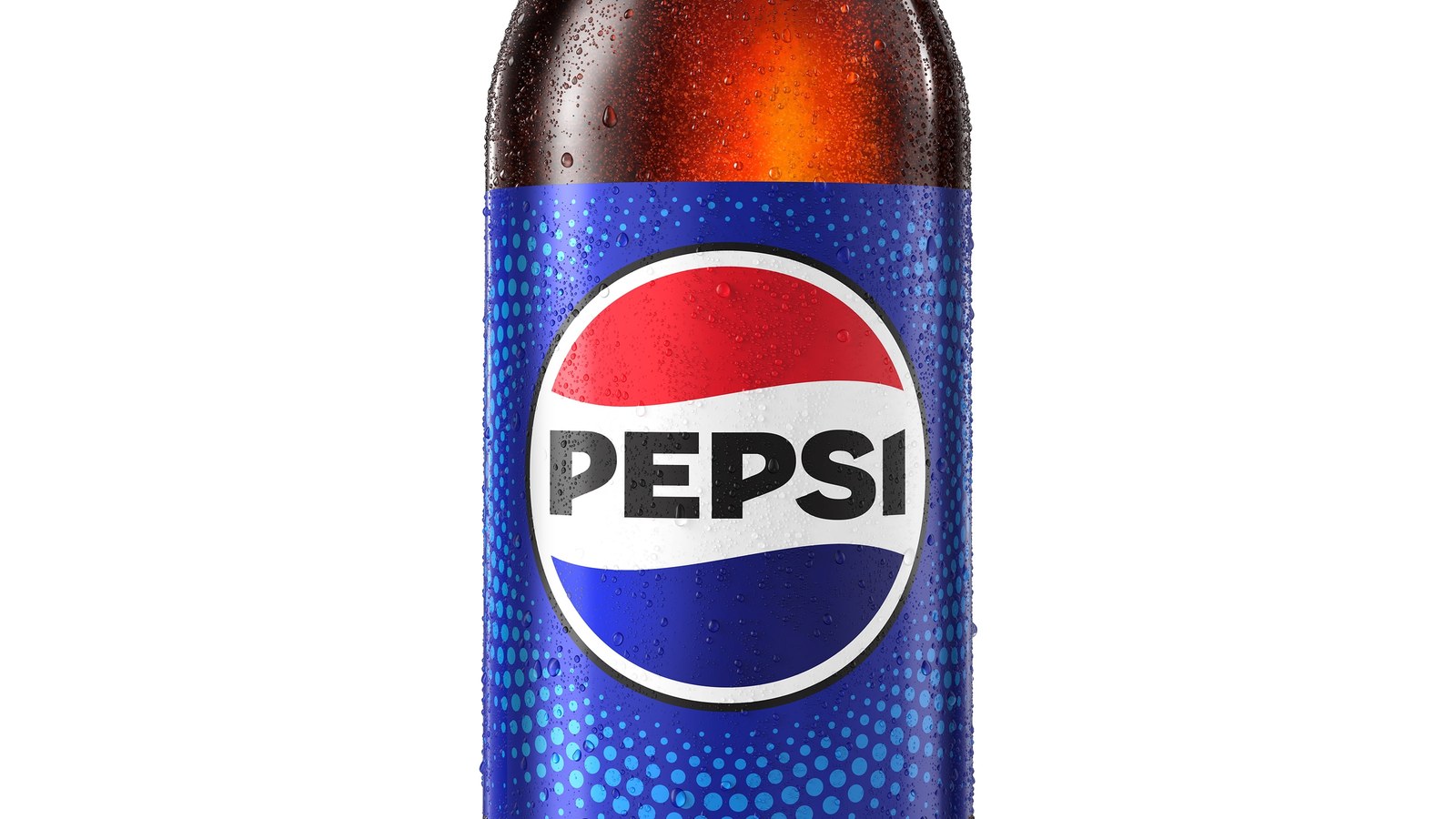
Pepsi’s Bold Bet: Major Product Cuts and Price Drops Reshape the Industry
In a move that has sent shockwaves through the food and beverage world, PepsiCo announced on December 8, 2025, that it will eliminate about 20% of its U.S. product portfolio and implement sweeping price cuts. The restructuring, spurred by intense pressure from activist investor Elliott Management, marks one of the most dramatic operational pivots in the company’s modern history.
Why PepsiCo Is Making Its Biggest Cuts in Decades
The backstory reads like a classic corporate power play. Elliott Management, a hedge fund with a reputation for shaking up industry giants, took a $4 billion stake in PepsiCo in September. Their message was blunt: streamline, refocus, and deliver value to shareholders. The company, which has long prided itself on a sprawling mix of snacks and drinks—think Lay’s, Doritos, Pepsi-Cola, Cheetos, and more—was, according to Elliott, suffering from strategic drift and declining profitability in its North American operations. (WECT, Forbes)
PepsiCo listened. The resulting deal commits the company to deep cost reductions, a slimmer product lineup, and a sharper focus on affordability. It’s an unmistakable sign of how external investor pressure and changing consumer habits can upend even the largest players in the market.
What’s Actually Getting Cut?
PepsiCo is keeping the specifics under wraps for now, but the scale is historic: thousands of stock-keeping units (SKUs) will vanish from shelves by early 2026. While core brands like Pepsi-Cola, Lay’s, and Doritos are likely safe, specialty and niche products—those that don’t drive volume or profits—are on the chopping block. It’s a deliberate pruning: reduce the clutter, double down on what works, and let go of what doesn’t. This kind of strategic focus is intended to free up resources for the company’s top revenue generators and pave the way for new, simpler product innovations—like Doritos Protein and Simply NKD Cheetos, which contain no artificial flavors or colors. (Reuters, Forbes)
The company has also shut down three manufacturing plants and several production lines, a move designed to boost operational efficiency and cut costs. Workforce reductions are underway as well, with the Frito-Lay division alone seeing a 7% cut in staff.
Aggressive Price Cuts: Response to Consumer Strain
PepsiCo’s price reductions aren’t just about beating the competition—they’re about survival in a market where affordability has become paramount. Recent years have seen consumers reeling from price hikes across the grocery aisle, and PepsiCo’s own research shows demand for its snacks and beverages has weakened as a result. In response, the company is promising “sharper everyday value” across its core brands, especially in the Foods division.
While exact details remain undisclosed, the strategy aligns with moves by other retail giants like Target, which recently slashed prices on thousands of essentials after reporting falling sales. The goal? Win back value-conscious shoppers who are scrutinizing every dollar. (Forbes)
The Investor’s Playbook: Why Elliott Pushed for Change
Elliott Management’s involvement wasn’t subtle. In a letter to PepsiCo’s board, the firm cited “a lack of strategic clarity, decelerating growth, and eroding profitability,” especially in the North American food and beverage segments. Their approach is familiar: identify inefficiencies, push for asset rationalization, and demand a laser focus on high-margin, high-growth products. PepsiCo’s board responded with a commitment to not only cut costs but to invest the savings in marketing, innovation, and improved value for consumers. (WECT)
Marc Steinberg, partner at Elliott, struck a conciliatory but firm tone: “We appreciate our collaborative engagement with PepsiCo’s management team and the urgency they have demonstrated. We believe the plan announced today to invest in affordability, accelerate innovation, and aggressively reduce costs will drive greater revenue and profit growth.”
PepsiCo, for its part, signaled that this transformation is both necessary and achievable, projecting organic revenue growth of 2% to 4% in 2026—up from just 1.5% in the first nine months of 2025.
What This Means for Shoppers and the Industry
The immediate effect for consumers? Fewer choices, but potentially better prices on the products that remain. If the cuts focus on underperforming niche offerings, everyday staples like regular Pepsi, Lay’s Classic, and Doritos could see meaningful price reductions. On the other hand, if popular specialty flavors or healthier options disappear, some loyal fans may be disappointed.
For competitors, especially Coca-Cola and smaller beverage makers, PepsiCo’s shift is a challenge and an opportunity. By sacrificing breadth for depth and consolidating manufacturing, PepsiCo is betting it can outmaneuver rivals on price and operational efficiency. The market, however, remains volatile, with consumer sentiment still well below pre-pandemic highs and nearly half of Americans reporting that the cost of living feels worse than ever. (Forbes)
What’s Next? Innovation and Simplification
PepsiCo isn’t just cutting—it’s also promising new offerings with simpler, more functional ingredients. Recent launches include Doritos Protein, Simply NKD lines, and even a prebiotic version of its signature cola. The company is reviewing its entire supply chain and reshaping its board to ensure global expertise and fresh leadership.
CEO Ramon Laguarta summed up the urgency: “We feel encouraged about the actions and initiatives we are implementing with urgency to improve both marketplace and financial performance.”
PepsiCo’s sweeping changes reflect a broader reckoning in the food and beverage industry: size alone is no longer a guarantee of success. In a world where consumers demand value and investors demand results, even giants like PepsiCo must be willing to cut deep, rethink their identity, and adapt faster than ever before. The true test will be whether this bold strategy can restore growth without sacrificing the brand loyalty that built Pepsi into a household name.