
Quick Read
- Piccadilly Line will close on weekends from October to January for infrastructure upgrades.
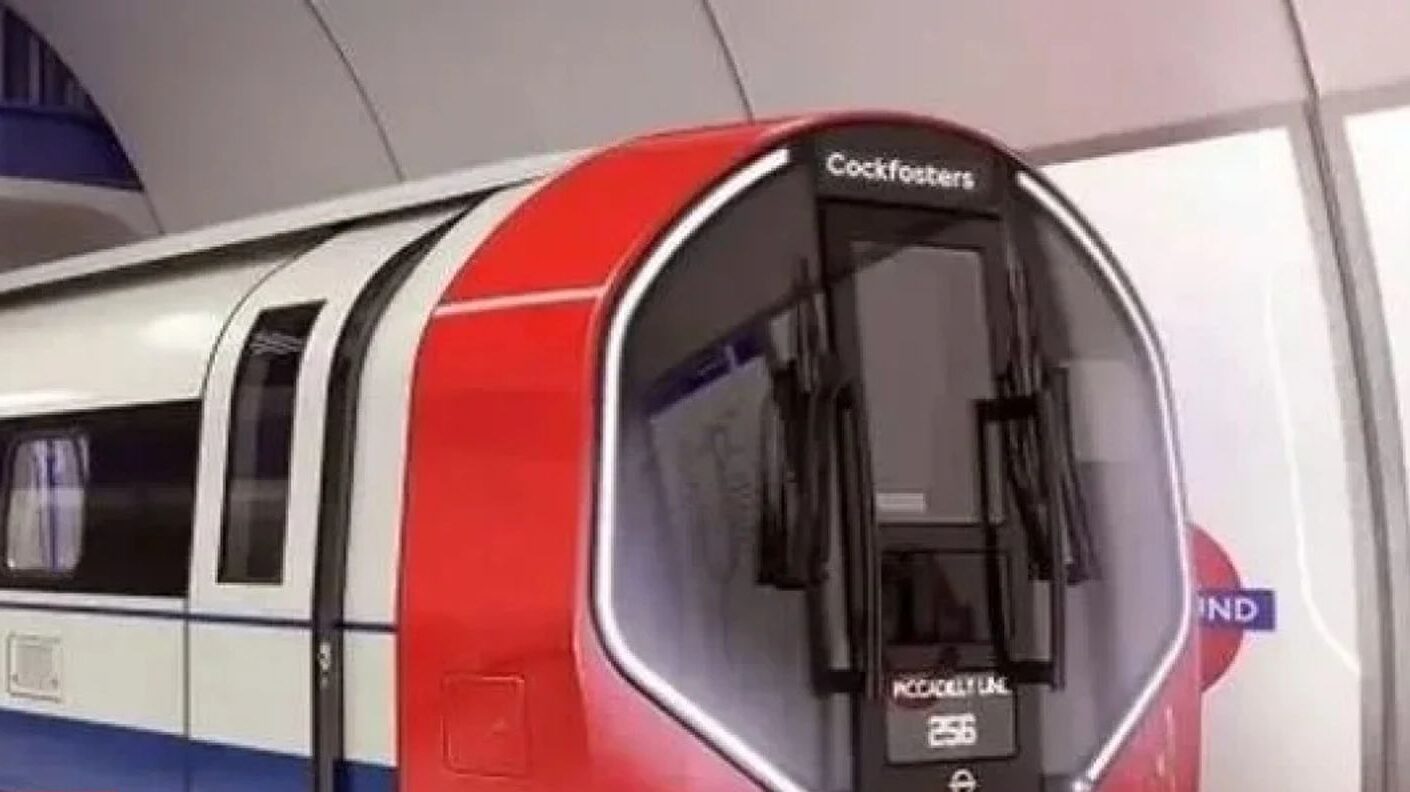
- New Siemens trains will offer air-conditioning, walk-through carriages, and wider doors.
- Closures affect multiple sections, including Cockfosters, Hammersmith, and Uxbridge.
- Upgrades promise 10% more capacity and 20% less energy use.
- TfL aims to raise train frequency from 24 to 27 per hour at peak times.
Why the Piccadilly Line Is Closing on Weekends: The Push for Modern Trains
London’s Piccadilly Line—a lifeline for millions of daily commuters and tourists—is on the brink of a major transformation. Starting this October and stretching into the chilly depths of January, weekend closures will ripple across the line. The cause? A sweeping upgrade, paving the way for a fleet of advanced Siemens trains. The old, familiar rumble of the 1970s-era carriages is giving way to a new era, but not without a few detours along the way.
Closure Schedule: What Sections Are Impacted and When?
The closures are meticulously planned, targeting sections of the Piccadilly Line that need the most attention. Commuters should brace for the following disruptions:
- Friday, 10 October (Night Tube): Cockfosters to Hammersmith
- Saturday, 11 to Sunday, 12 October: Cockfosters to Hammersmith and Rayners Lane to Uxbridge
- Saturday, 18 to Sunday, 19 October: Acton Town to Uxbridge (also affects Metropolitan line)
- Friday, 24 October (Night Tube): Trains bypass Earl’s Court
- Friday, 31 October (Night Tube): Hammersmith to Heathrow
- Saturday, 1 to Sunday, 2 November: Acton Town to Heathrow and Rayners Lane to Uxbridge
- Saturday, 15 to Sunday, 16 November: Acton Town to Uxbridge (Metropolitan line closures included)
- Saturday, 6 to Sunday, 7 December: Acton Town to Uxbridge (Metropolitan line closures included)
- Friday, 2 January (Night Tube): King’s Cross St Pancras to Cockfosters
- Saturday, 3 to Sunday, 4 January: Wood Green to Cockfosters and Rayners Lane to Uxbridge
These are not random interruptions. Each closure is a carefully plotted move, designed to allow workers to reshape platforms, tweak tracks, and construct new facilities. The upgrades are happening at critical locations like Cockfosters and Northfields, which are being equipped to house and maintain the new Siemens fleet.
Inside the Upgrade: What’s Changing for Commuters?
Transport for London (TfL) has set ambitious goals for the Piccadilly Line’s future. The new Siemens trains, first delivered last year, are more than just a facelift. They promise a leap in comfort and efficiency for the 158 million annual travelers who rely on the line.
The standout features include:
- Walk-through carriages, allowing passengers to move freely from one end to the other
- Air-conditioning—an unprecedented luxury for deep-level Tube trains
- Wider double-doorways for faster, easier boarding and alighting
- Eco-friendly depot upgrades, with green roofs and solar panels
These aren’t just cosmetic tweaks. TfL expects the new trains to increase capacity by 10%, helping to ease overcrowding during rush hour. Energy consumption is projected to drop by 20%, marking a significant step towards a greener London Underground. The frequency of trains will also rise, from 24 to 27 per hour at peak times—meaning shorter waits and smoother journeys.
The Bigger Picture: Transforming London’s Transit System
The Piccadilly Line upgrade is part of a wider push to modernize London’s transport infrastructure. The challenges are real: thousands depend on the Tube every day, and even a short closure can disrupt routines and businesses. But the vision is clear. By investing in advanced technology and sustainable practices, TfL is betting on a future where the Underground is not only more reliable but also more comfortable and environmentally responsible.
Facilities at Cockfosters and Northfields are being expanded to accommodate the new fleet. The depots will include training facilities for staff, new maintenance bays, and energy-saving features. These changes are designed to support the Siemens trains for decades to come.
What Should Commuters Expect During the Transition?
The coming months will test patience. Weekend travelers may need to plan alternate routes or adjust their schedules. TfL has promised to keep disruptions to a minimum and provide regular updates, but some inconvenience is unavoidable. For those who remember the last major Tube upgrade, these closures will feel familiar—a necessary trade-off for progress.
Yet, for many, the promise of cooler, more spacious carriages is worth a few detours. The arrival of the new Siemens trains will mark a turning point for the Piccadilly Line, bringing it closer to the standards of modern metro systems worldwide.
London’s commuters are a resilient bunch. As the city adapts to these changes, the hope is that the improved service will justify the temporary disruption—and maybe even inspire other lines to follow suit.
For ongoing updates on the Piccadilly Line and other transport developments, readers are encouraged to consult reliable sources like Transport for London and Emegypt.
The Piccadilly Line’s weekend closures reflect the complexity of upgrading a historic transit system while keeping London moving. The short-term inconvenience will likely pay off in the form of a cleaner, more efficient, and more comfortable journey for millions—an investment in the city’s future that demands patience today.