


A New Geological Timeline
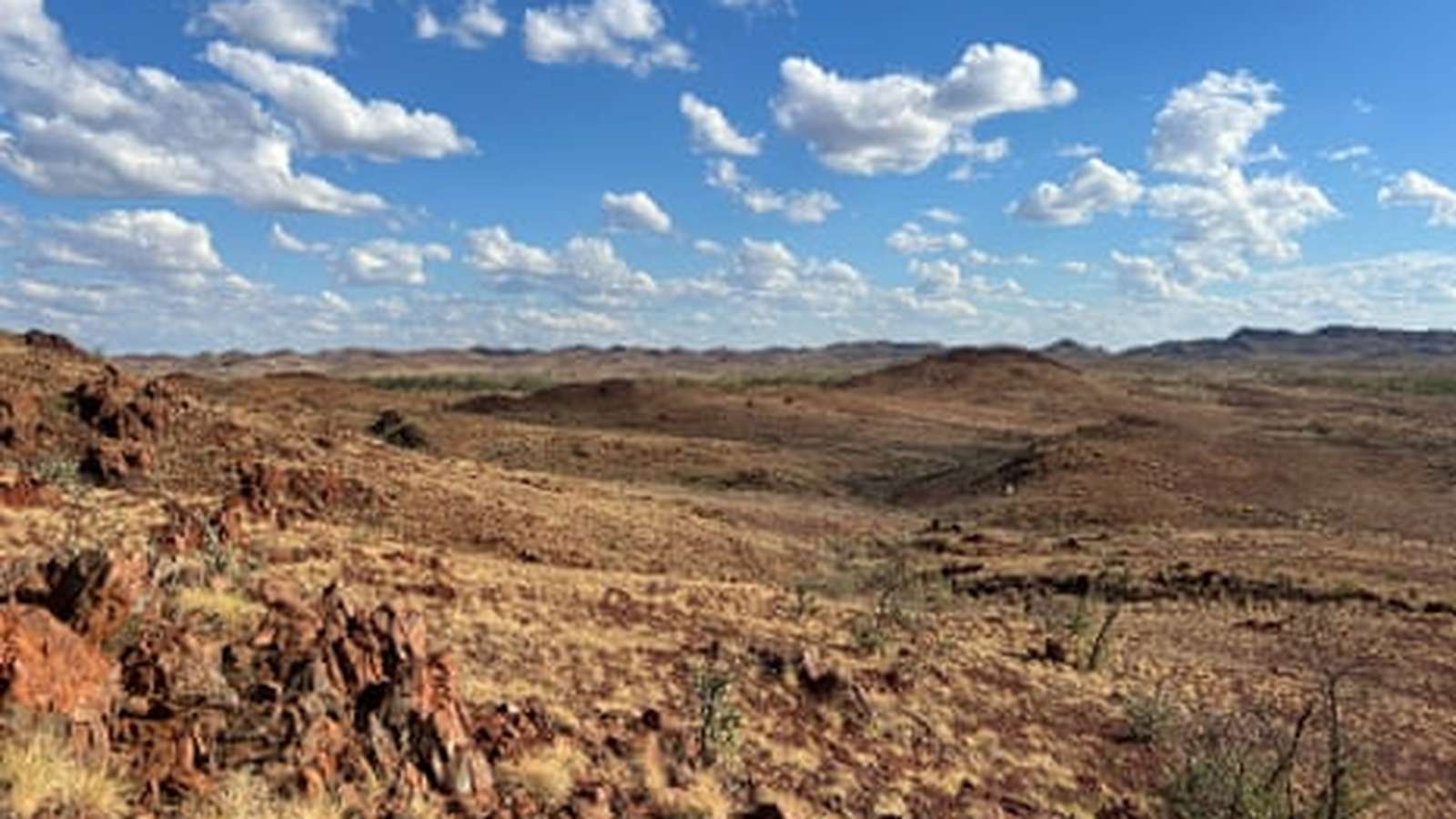
Researchers from Curtin University have provided new evidence regarding the North Pole Dome impact structure in the Pilbara region of Western Australia, confirming its status as the oldest known asteroid impact crater on Earth. The study, published in the journal Geology, dates the event to approximately three billion years ago.
This finding represents a significant calibration of the planetary geological record. Previously, the structure’s age had been subject to debate, with estimates varying by as much as 500 million years. By utilizing advanced mineral dating techniques on zircon and apatite, the team has attempted to resolve the discrepancy that has persisted since the site was first identified as a potential impact structure.
The ‘Mineral Clock’ Methodology
Lead researcher Professor Chris Kirkland explained that the team relied on the resilience of zircon crystals. These minerals possess the ability to retain geological signals over billions of years. The research team identified unusual, skeletal branching patterns within the zircon, which are characteristic of crystals modified by the extreme heat and pressure of a meteorite strike. To validate these findings, the team performed independent dating on apatite, a calcium phosphate mineral that formed in the wake of the impact. The convergence of these two distinct dating methods provides the “smoking gun” evidence cited by the researchers to substantiate the three-billion-year timeline.
Scientific Debate and Context
The study arrives amidst ongoing academic skepticism. Some experts, including Harvard University postdoctoral fellow Alec Brenner, have questioned the methodology, suggesting that the observed features could potentially be attributed to undocumented hydrothermal events in the complex Pilbara geological landscape. Critics point to nearby rock formations dated at 2.77 billion years that contain shatter cones, arguing that the impact must logically have occurred after that period.
Despite this, the Curtin University team maintains that the new data separates the impact event from the region’s broader, complex geological history. The Pilbara region remains a critical site for geologists, as it serves as one of the few places on Earth where crustal rocks from the Archean eon—a time when Earth was primarily a “water world” with nascent continents—are preserved. As the scientific community continues to analyze these findings, the North Pole Dome serves as a critical case study in the challenges of dating deep-time geological events on a planet defined by constant tectonic and erosional recycling.