


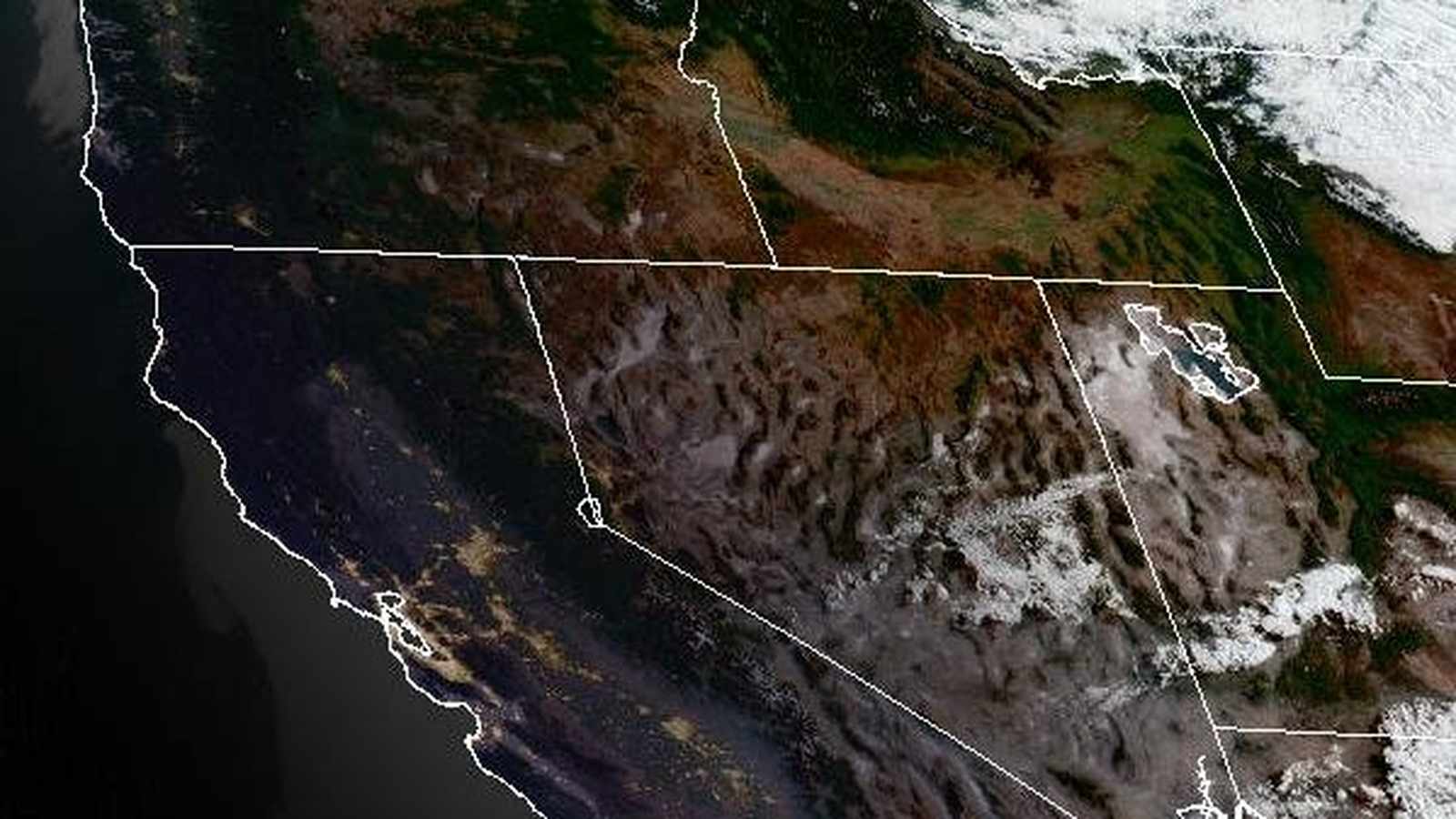
Critically Loaded Fault Systems
A new study published in the Journal of Geophysical Research: Solid Earth warns that the San Andreas and San Jacinto fault systems in Southern California have reached stress levels higher than any point in the last 1,000 years. Researchers describe the region as being in a “critically loaded” state, suggesting that the tectonic strain accumulated over 160 years since the last major rupture is creating a heightened risk for large-scale seismic events.
Lead author Liliane Burkhard, a research affiliate at the University of Hawaiʻi’s Institute of Geophysics and Planetology, noted that the study utilized physics-based simulations to reconstruct a millennium of earthquake activity. The findings highlight the Cajon Pass as a vital “earthquake gate”—a junction that could either contain a rupture or allow it to propagate across multiple fault segments, potentially resulting in a more powerful, multi-fault earthquake.
Infrastructure and Preparedness
While geologists emphasize that earthquakes cannot be predicted, the study underscores the necessity of public preparedness in Southern California. The potential for a multi-fault rupture poses significant risks to infrastructure in San Bernardino, Riverside, and the Coachella Valley. Authorities continue to stress the importance of the California Earthquake Early Warning system, which utilizes seismic sensors to provide alerts via the MyShake app and wireless emergency alerts before the strongest shaking reaches populated areas.
Experts recommend that residents practice the “Drop, Cover and Hold On” method to mitigate injury during seismic activity. Furthermore, they clarify that the San Andreas is a strike-slip fault, meaning it causes horizontal displacement rather than the mythical “splitting open” of the continent. While the fault system remains a significant geological concern, it operates through lateral plate movement rather than vertical separation.