

Hit play on any video and you immediately sense if something is out of whack. When the mouth opens but the words are delayed, your mind rebels. That small flaw, a fraction of a second at most, can make an otherwise solid clip one you swipe past. And the reason is that our brains demand alignment. It isn’t so much a matter of sound and picture getting along; it’s a matter of trust, immersion, and emotional investment.
Creators and brands who get this synchronization right develop a secret weapon. Sites like Pippit, which has an integrated AI video generator, allow anyone to create content that appears and feels perfectly timed. But to appreciate why alignment is so important, it is useful to understand the psychology behind it.
Why your brain demands alignment
Your senses aren’t isolated roads; they’re woven together. The brain integrates what you see and what you hear all the time into one experience. When it’s all aligned, you hardly even notice. When it is not, your mind triggers an alarm.
- Spoken words are reinforced by visual cues.
- Visual cues are reinforced by spoken words.
- Even a slight discrepancy compels mental effort.
This is done automatically, and that is why a well-timed subtitled video is smooth, while an out-of-sync one is effortful.
Alignment feels honest
Perfect syncing isn’t only sounding right; it feels authentic. When words and lips sync, you unconsciously trust the speaker more. That’s why producers of media content, including journalists, teachers, and influencers, expend so much effort on production quality. Poor syncing conveys a different message. It implies carelessness, and that ruins trust.
What happens when content is out of sync
Viewers seldom get to the root of syncing failures. They simply depart. Ineffective timing results in:
- Frustration: the discrepancy takes attention away from the message.
- Lost immersion: rather than soaking up information, viewers concentrate on the defect.
- Reduced connection: the presenter comes across as less genuine.
- Reduced engagement: watch time decreases and algorithms penalize the content.
It’s a subtle, yet potent depleter of trust.
Why alignment feels rewarding
A few psychological explanations of why your brain enjoys sync:
- Predictability: synchronized content aligns with our cause-and-effect expectation.
- Cognitive ease: less work in the head makes the experience pleasant.
- Emotional impact: when vision and sound impact synchronously, emotions are amplified.
- Reward response: the brain gets a release of satisfaction when patterns prove to be true.
This is why syncing is not a minor technicality. It’s a neurological shortcut to trust and involvement.
Keeping content in sync
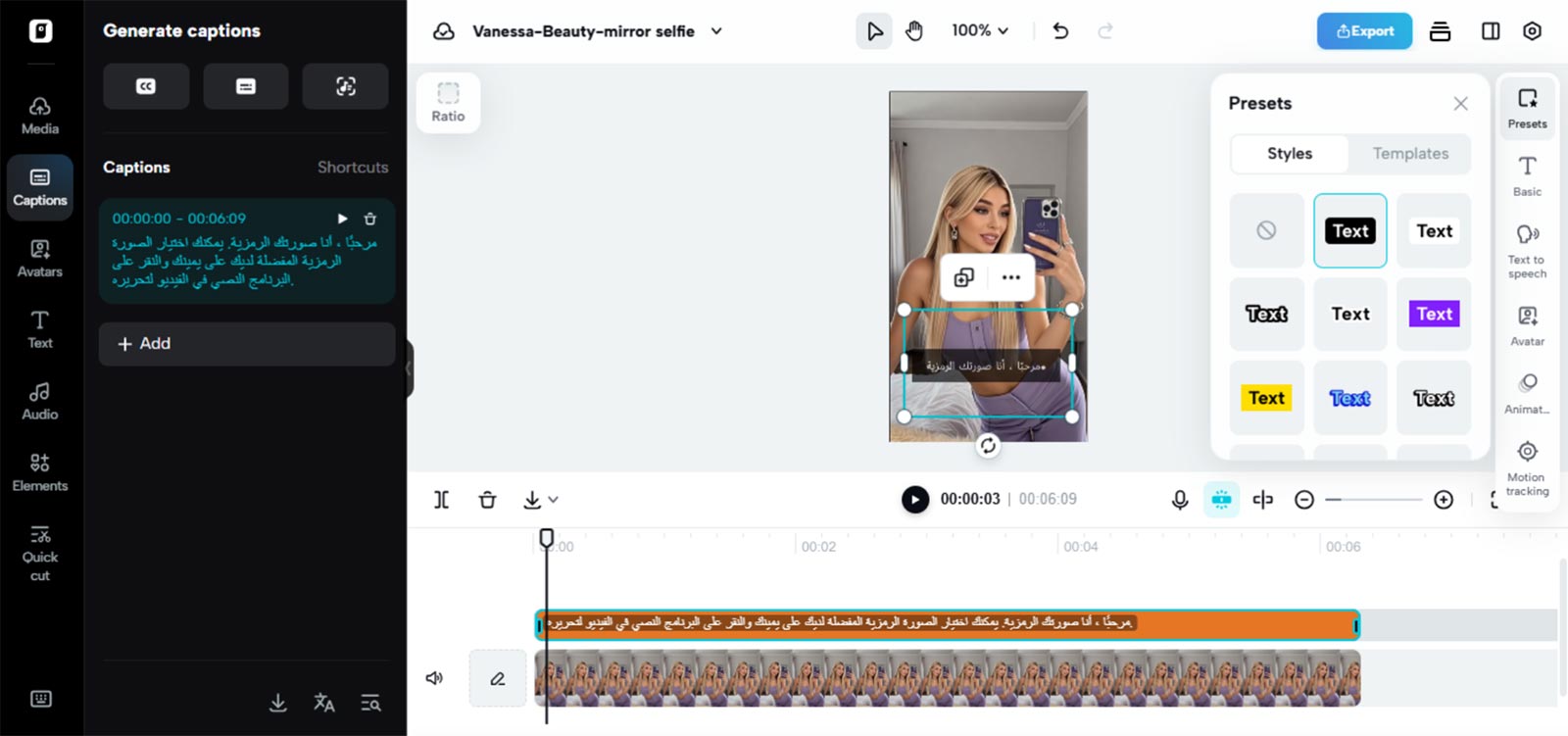
In the past, syncing was tedious. Editors cut between frames by hand for hours. Today creators employ tools meant to maintain timing as a matter of course. Functions such as lip sync AI enable a speaker’s words to be coordinated exactly with their mouth, even when lines are rewritten later or dubbed over into another language. The outcome is not mere ease; it’s realism.

The benefits of perfect syncing
When everything syncs up, the reward is greater than simply appearing professional:
- Fans view for longer since nothing annoys them.
- Engagement increases as individuals comment and share smooth clips.
- Brands appear more credible and recognizable.
- Multilingual viewers feel included instead of like an afterthought.
What begins as a technical adjustment soon becomes a competitive advantage.
Why music and movement rely on timing
Consider a dance challenge on social media. The excitement is watching movement and rhythm collide. A fraction of a second out of sync destroys the punch. The same principle applies to product demos, comedy skits, or training videos. Ideal sync allows the punch moment hit the mark just where it should.
Common syncing blunders
Even mature teams make mistakes. Common pitfalls are:
- Allowing automated software to run without double-checking timing by hand.
- Inserting soundtracks at the last minute that alter dialogue.
- Including low-fidelity audio that warbles during editing.
- Failing to synchronize translated subtitles with speech.
All of these little mistakes erode viewer trust.
Becoming global without losing timing
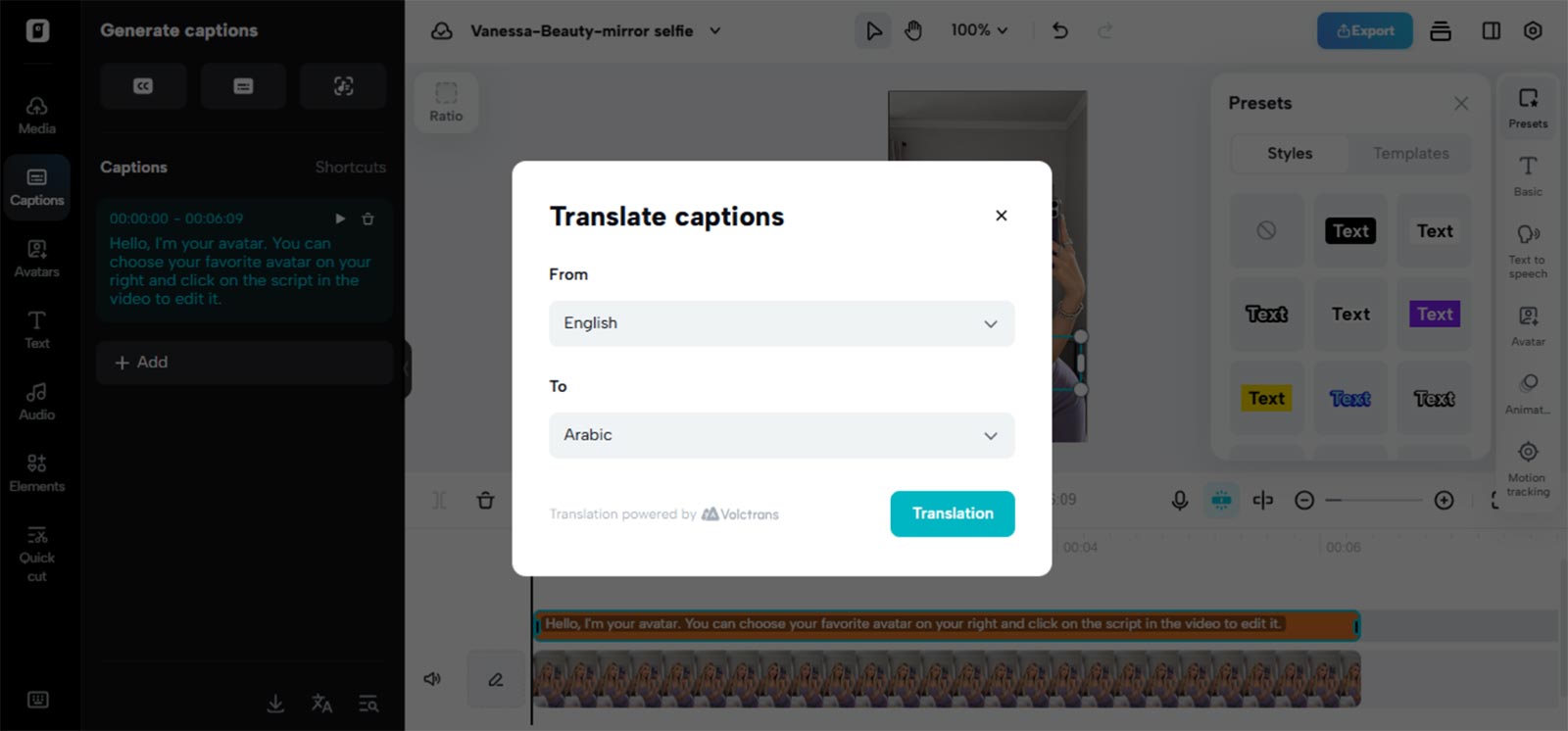
Sync is even more important when your content travels. A video translator by Pippit can translate captions and audio into new languages, but without accurate timing the experience comes across as dubbed, not local. Multilingual viewers pick up on those differences instantly. When the translation synchronizes with the movement, the story becomes local everywhere simultaneously.
Alignment as an emotional shortcut
When a video is well-timed, the audience ceases to dwell on production and begins to feel the narrative. Sync behaves as an emotional shortcut, dragging viewers directly to the message with ease. That translates to greater recall for brands, greater credibility, and more shares.
The future of flawless sync
Today’s audiences watch content anywhere, anytime, in any language, and across cultures. They demand seamless experiences everywhere. Creators who learn to sync will be the go-to, trusted, and contemporary creators. Others will be forgotten.
Bringing it all together
Our brains are programmed to pick up when things don’t add up. Spot-on sync taps into a profound hunger for order, and poor timing silently erodes trust. Whether it’s a corporate training video, a viral ad, or a fan mashup, alignment is the intangible glue that holds viewers engaged.
Pippit empowers creators to do so effortlessly. If you need your viewers to believe, engage, and linger longer, don’t gamble on going out of sync. Begin creating with Pippit today and bring the alignment your viewers’ brains are hardwired to crave.