
Quick Read
- Donald Henson, ex-military, rammed his car into the Pittsburgh FBI office gate at 2:40 a.m.
- No injuries reported; suspect apprehended after an hour-long search.
- Incident classified as a targeted attack and act of terror by federal officials.
- Henson previously visited the FBI office to file an unfounded complaint.
- Investigation ongoing; charges yet to be determined.
Deliberate Act Shakes Pittsburgh FBI Field Office
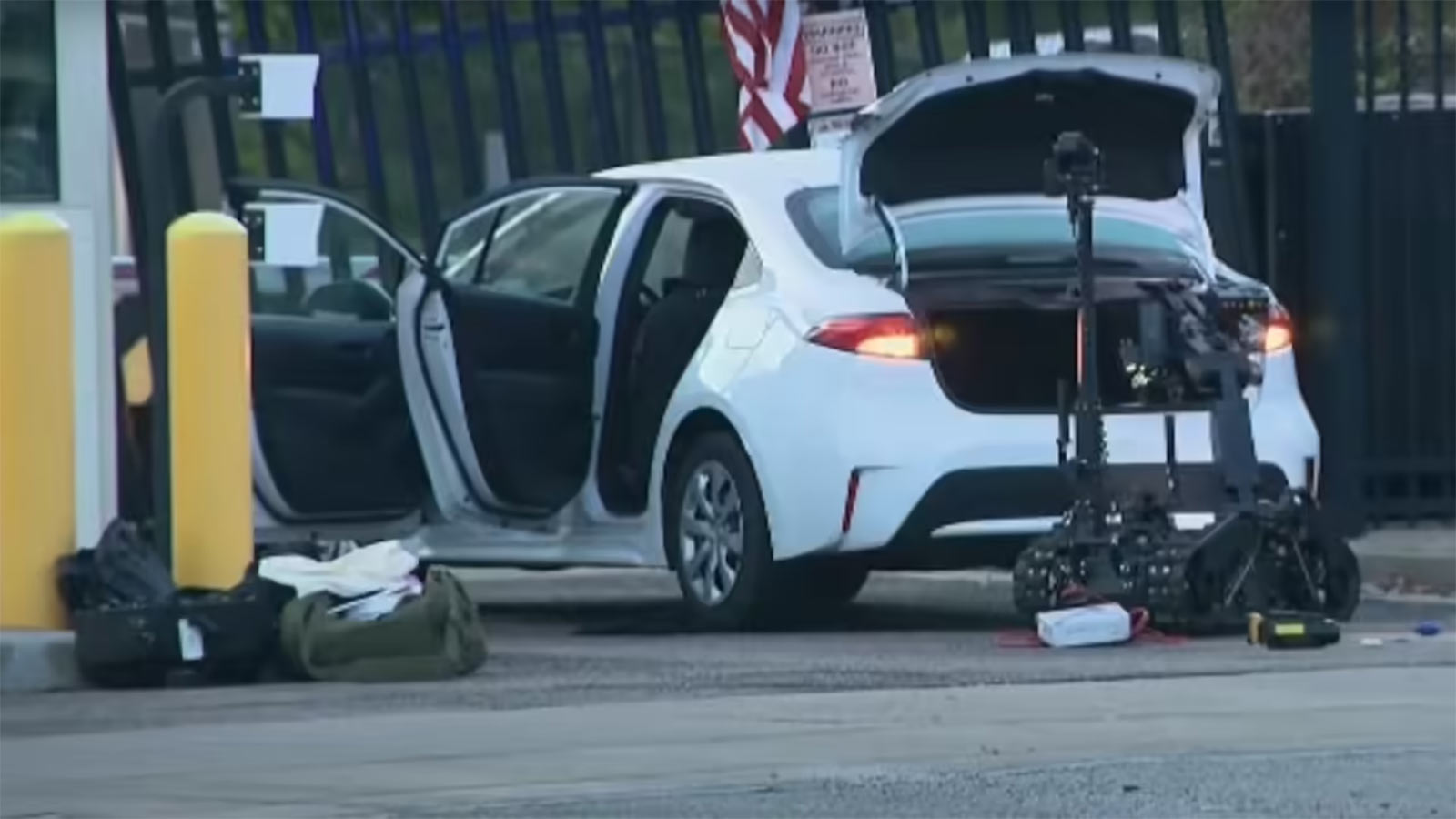
In the early hours of September 17, Pittsburgh’s South Side was jolted awake by the screech of tires and the clang of metal—a white sedan rammed at high speed into the security gate of the local FBI field office. The incident, which occurred around 2:40 a.m., left the gate twisted and police tape fluttering in the morning breeze. But as the dust settled, federal officials confirmed: this was no accident.
Suspect Identified as Ex-Military, Mental Health Concerns Surface
Authorities quickly identified the suspect as Donald Henson, a Penn Hills resident and former military serviceman. According to FBI Special Agent in Charge Christopher Giordano, Henson had previously visited the field office just two weeks prior, attempting to file a complaint that agents described as “unfounded” and “didn’t make much sense.” This prior contact—and the nature of the attack—led investigators to conclude the incident was a targeted act against the FBI.
Henson’s military background and reported mental health struggles added layers of complexity to the investigation. Surveillance footage and license plate records confirmed his identity, and officials emphasized that he was known to local authorities before the attack. Witnesses described him as incoherent and seemingly unfazed as he left the scene.
Symbolism and Chaos: The Aftermath Unfolds
Eyewitness accounts, corroborated by security cameras, painted a vivid picture of the moments following the crash. After plowing through the gate, Henson exited his vehicle, retrieved an American flag, and threw it over the fence before shouting incoherently and walking away. The side of his car bore vulgar messages aimed at the FBI, although the meaning remains unclear.
“I’m blown away right now,” said Nakeisha Brown, an employee at a nearby business. Brown recalled hearing the impact, seeing Henson exit the vehicle, and watching as he draped the flag—a gesture that struck witnesses as both defiant and confusing.
“He just walked away like nothing happened,” added another witness, Idez Columbie. The incident, caught on multiple cameras, left the community shaken but unharmed. Assistant Special Agent Giordano confirmed, “Thankfully, no one was hurt.”
Federal Response: Terror Investigation and Legal Uncertainty
Federal officials did not mince words: “We look at this as an act of terror, against the FBI,” Giordano declared. The agency’s response was swift and comprehensive, launching an hour-long manhunt that ended with Henson’s capture later that morning. He was brought directly to the same FBI building he had targeted just hours before.
The broader context adds gravity to the attack. The incident followed a recent visit to Pittsburgh by Governor Josh Shapiro, who addressed rising political violence, and came in the wake of heated Senate hearings scrutinizing FBI operations. While authorities stopped short of linking the attack to these events, the timing has not gone unnoticed.
Investigators are now poring over Henson’s motives. The vulgar writing on his car and his previous complaint to the FBI have prompted questions about his intent, but officials say it’s too early to draw definitive conclusions. The precise charges Henson will face remain undetermined, pending further review of federal statutes and the evidence collected.
Community Reactions: Fear, Relief, and Reflection
The immediate neighborhood felt the impact, both literally and figuratively. Employees at nearby businesses recounted moments of confusion and fear as the crash echoed through the early morning quiet. Yet, as the investigation unfolded, relief spread that the incident had not escalated further.
Cierra Posey, another witness, described Henson as incoherent and disoriented, underscoring the unpredictability of the event. “He just walked away like nothing happened,” she said, capturing the surreal aftermath.
For Pittsburgh residents, the attack raised uncomfortable questions about security, mental health, and the risks faced by federal institutions in a politically charged climate. The FBI has reassured the public that all necessary measures are being taken to prevent future incidents and that the agency remains committed to transparency as the investigation continues.
Broader Implications: Security and Mental Health in Focus
The Pittsburgh gate crash is a stark reminder of the vulnerabilities that even the most fortified institutions face. It also highlights the intersection of mental health and security—a theme that has become increasingly prominent in national discourse. Henson’s military service and reported mental health issues mirror patterns seen in other incidents, raising questions about support systems for veterans and the challenges of identifying potential threats before they manifest.
Federal officials have pledged to “exhaust every ability we have under the federal law to find, apprehend and prosecute this subject to the fullest extent,” signaling that the legal consequences will be significant. As authorities sift through the evidence, the community and the nation watch closely, aware that the line between protest, grievance, and targeted violence can be perilously thin.
Sources
WTAE, The Center Square, The Guardian
The facts speak for themselves: the Pittsburgh FBI field office was deliberately targeted in a dramatic act that exposed vulnerabilities in both physical security and mental health support for veterans. As federal authorities move to prosecute, the incident serves as a sobering prompt for deeper national reflection on the balance between protection and compassion.