


Milk Recall Shakes Midwest Stores as Cleaning Agent Contamination Discovered
On December 2, 2025, Prairie Farms, one of the Midwest’s largest dairy suppliers, announced an immediate recall of certain gallons of fat-free milk sold at Woodman’s stores across Illinois and Wisconsin. The recall was triggered by the discovery that some milk produced at Prairie Farms’ Dubuque, Iowa facility may have been contaminated with food-grade cleaning agents—a rare but serious quality issue in the food supply chain.
Scope and Details of the Recall
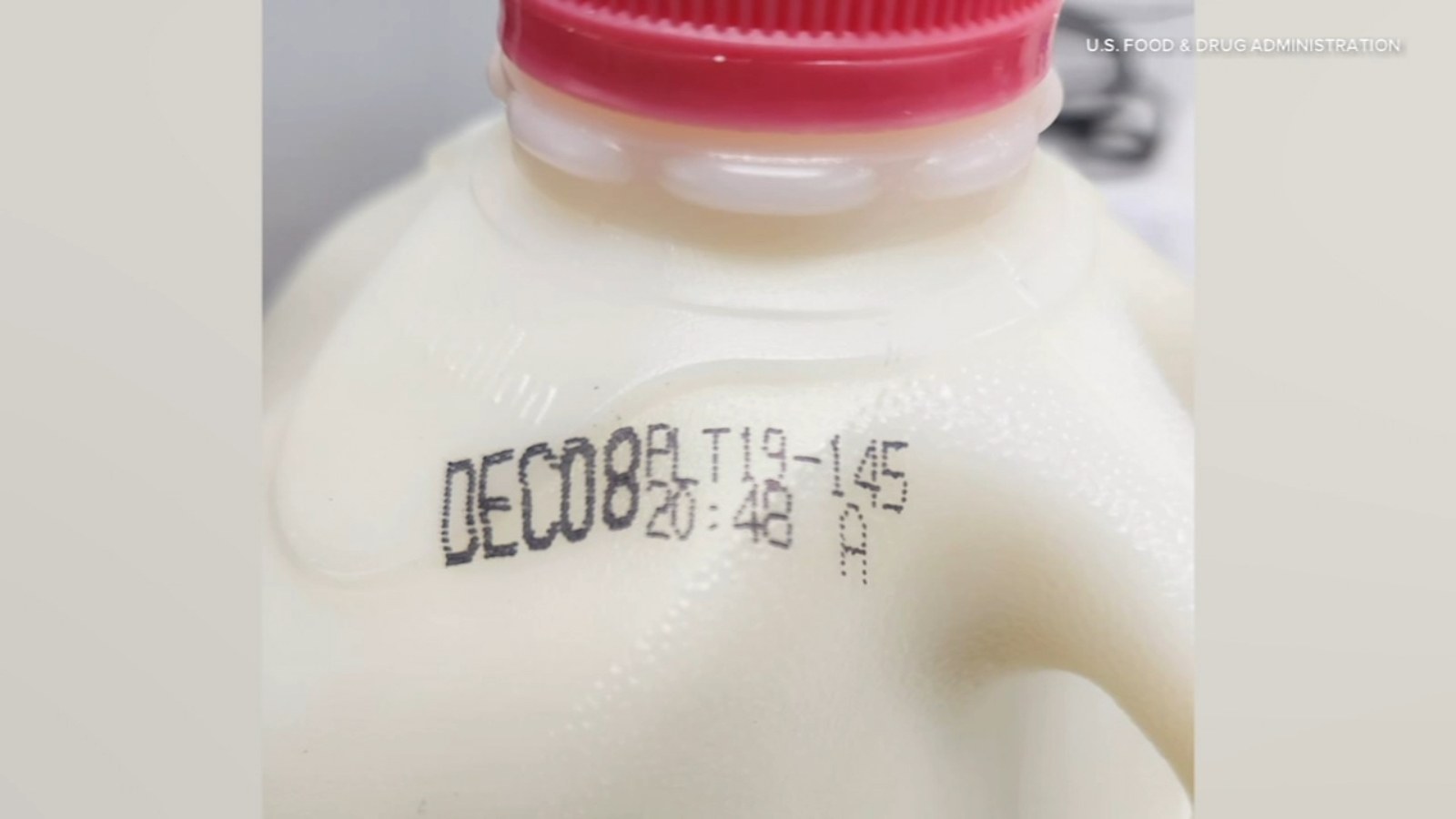
According to a statement from Prairie Farms, the affected milk carries a Dec. 8 expiration date and was distributed exclusively through Woodman’s locations in the two states. The company was alerted earlier in the week to the possibility of contamination, sparking a rapid internal investigation and coordination with retailers to remove products from shelves. Before the problem was identified, more than 300 gallons had already reached consumers (CNN Wire).
Prairie Farms emphasized that all remaining recalled milk has been pulled from stores, and urged customers who purchased the affected product to either dispose of it or return it for a full refund. The company did not specify how the contamination occurred, but confirmed that the cleaning agent is food-grade—designed for use in food processing environments—and that no serious injuries or illnesses had been reported as of publication.
Consumer Safety and Response
Milk recalls are relatively uncommon, making this incident a notable event for both consumers and retailers in the region. Food-grade cleaning agents are typically used to sanitize equipment, but accidental residue or improper rinsing can lead to contamination. While food-grade agents are less toxic than industrial chemicals, they can still pose health risks if ingested, especially for children, the elderly, or those with sensitivities.
Prairie Farms’ swift response—pulling products and notifying the public—aligns with best practices in the food industry. The company’s actions suggest a commitment to transparency and consumer protection, even as the recall brings temporary disruption to everyday routines. Shoppers at Woodman’s stores who purchased fat-free milk with a Dec. 8 expiration date are being asked to check their refrigerators and take immediate action.
Industry Context and Preventive Measures
Food recalls, while disruptive, are a key part of maintaining trust in the supply chain. Dairy processors like Prairie Farms operate under strict regulatory oversight, with routine cleaning and monitoring procedures designed to prevent contamination. Nonetheless, human error or equipment malfunction can occasionally result in quality lapses. In such cases, timely recall and consumer communication are essential.
Industry experts note that the scale of this recall—over 300 gallons sold before detection—underscores the need for continual vigilance. While no serious health outcomes have been reported, the incident serves as a reminder of the complexities behind seemingly simple products like milk. As the holiday season approaches, both Prairie Farms and local retailers are working to reassure customers and restore confidence in their products (ABC7 Chicago).
What Should Consumers Do?
If you purchased Prairie Farms fat-free milk at a Woodman’s store in Illinois or Wisconsin, and the expiration date reads December 8, you should not consume the product. Dispose of it safely or return it to the store for a refund. Consumers with questions are encouraged to contact Prairie Farms directly or refer to notices posted at affected retail locations.
In situations like this, prompt action can prevent accidental consumption and safeguard public health. Prairie Farms has stated that, beyond the initial batch, all other milk products currently on shelves have been screened and are safe for consumption.
Looking Forward: Ensuring Food Safety
As Prairie Farms and regulators continue to investigate the source of the contamination, the incident highlights the importance of robust safety protocols in the dairy industry. The recall’s limited scope and the absence of reported illness point to effective detection and management, but also raise questions about how such incidents can be prevented entirely.
For Midwest families who rely on Prairie Farms for their daily milk, this recall is an inconvenient but necessary reminder: food safety depends on vigilance at every step, from farm to fridge.
Based on the facts presented, Prairie Farms responded swiftly and transparently to the contamination incident, prioritizing consumer safety and minimizing risk. While the cause remains under investigation, the recall demonstrates the challenges and responsibilities faced by food producers, especially when dealing with products as fundamental as milk. Continued oversight and public awareness will be key in preventing future incidents and maintaining trust in the food supply chain.