

Quick Read
- King Charles III has accepted an invitation for a state visit to Ireland.
- President Connolly’s sister was detained following an Israeli interception of a Gaza flotilla.
- The visit underscores strong ties between the UK and Irish diaspora.
A Diplomatic Milestone Amidst Domestic Turmoil
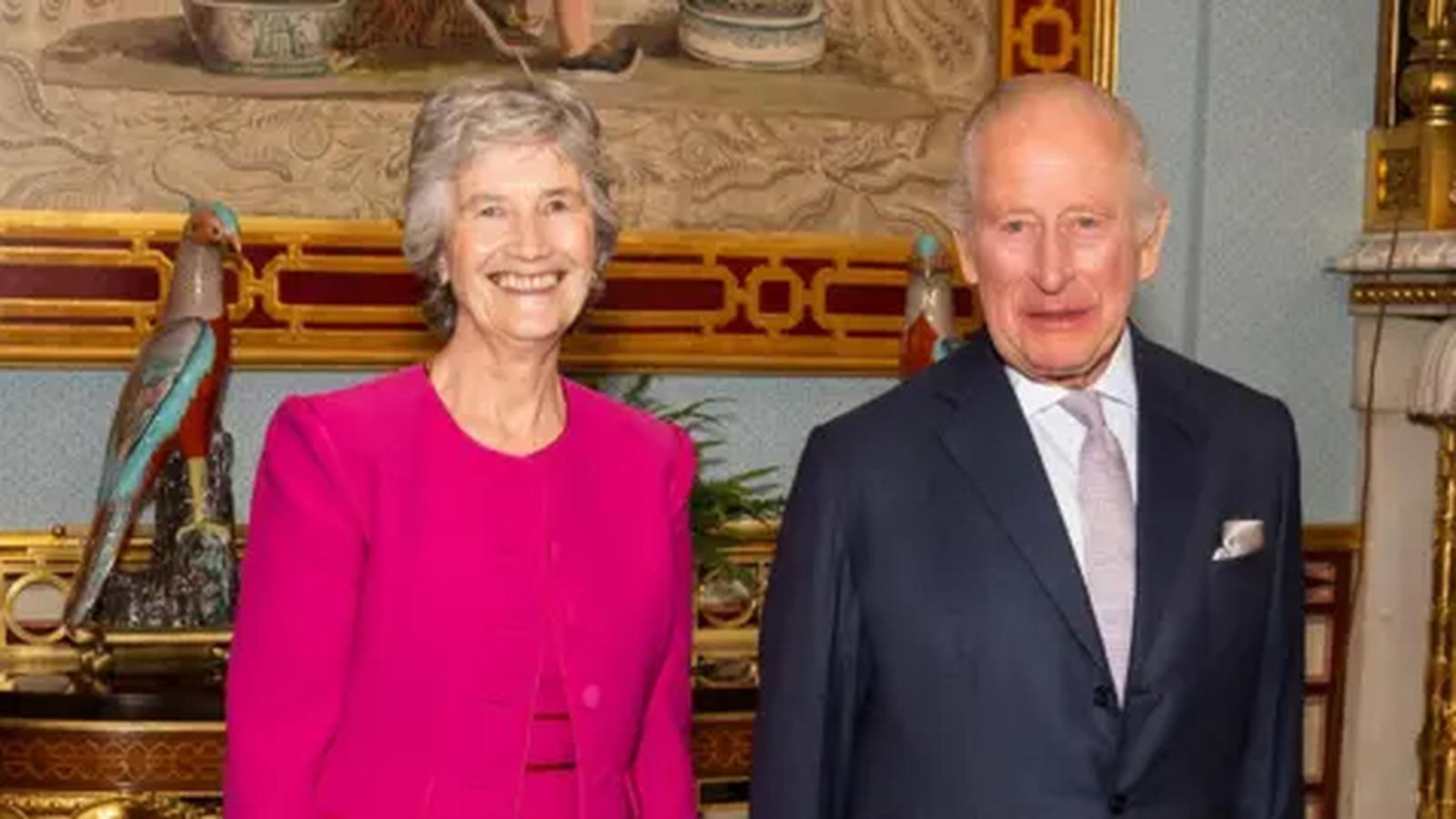
During a high-profile meeting at Buckingham Palace on Monday, Irish President Catherine Connolly secured a significant diplomatic breakthrough: King Charles III has “graciously accepted” an invitation to conduct a state visit to Ireland. This visit, the details of which will be finalized through intergovernmental consultations, represents only the second such state visit by a British monarch since Ireland gained independence, signaling a deepening of bilateral relations between London and Dublin.
However, the announcement occurred against the backdrop of a profound personal crisis for the President. Shortly after her meeting with the monarch, President Connolly publicly expressed her distress regarding her sister, Margaret Connolly, a general practitioner from Sligo. Margaret Connolly was confirmed to be aboard a vessel intercepted by Israeli forces earlier on Monday as part of a Gaza-bound flotilla. Speaking to the media, President Connolly acknowledged the difficulty of compartmentalizing her official duties with the uncertainty surrounding her sister’s safety and detention status in international waters.
The Diaspora and the Economic Narrative
President Connolly’s three-day official visit to the United Kingdom, which includes stops in London and Leeds, serves as an opportunity to reinforce the enduring ties between the two nations. At the Irish Cultural Centre in Hammersmith, Connolly underscored the massive influence of the Irish diaspora on British life, spanning sectors from healthcare and construction to the arts and technical services. She noted, “The Irish contribution to British society is as diverse as can be imagined.”
Nevertheless, the President did not shy away from the underlying tensions regarding current migration trends. Addressing the issue of modern-day departures from Ireland, she noted that while historical emigration was heavily driven by economic necessity, contemporary challenges—including a severe lack of housing—continue to push citizens to seek opportunities abroad in cities like Manchester, Liverpool, and Birmingham. Her remarks reflect a broader policy concern within her administration regarding domestic stability and the retention of human capital.
Navigating Diplomatic and Personal Pressures
The President’s itinerary, which includes visits to the Chelsea Flower Show and academic institutions in Leeds, is structured to highlight the cultural and intellectual exchange between the countries. Yet, the juxtaposition of statecraft with the news of the Gaza flotilla incident highlights the complexities of modern leadership. When questioned about the incident, Connolly emphasized her pride in her sister’s activism while maintaining the professional decorum required of her office, noting that she had not yet received specific details regarding the safety of those detained.
Furthermore, the President took a firm stance on public discourse when asked about controversial comments made by former Taoiseach Bertie Ahern regarding immigration. She reminded the public that political figures must take responsibility for their rhetoric, advocating for a more measured and conscientious approach to the sensitive topic of demographic shifts and national identity.
The successful invitation of King Charles III to Ireland serves as a testament to the stability of the Anglo-Irish relationship, yet President Connolly’s current ordeal serves as a stark reminder of the intersection between personal morality and public office. Her ability to navigate the sensitivities of the Gaza humanitarian situation while simultaneously strengthening diplomatic protocols with the British monarchy demonstrates a high degree of political resilience. As the visit progresses, the focus will likely remain on the delicate balance between managing the diplomatic benefits of the royal visit and the ongoing, urgent need for clarity regarding the welfare of her family and their fellow activists.