
Quick Read
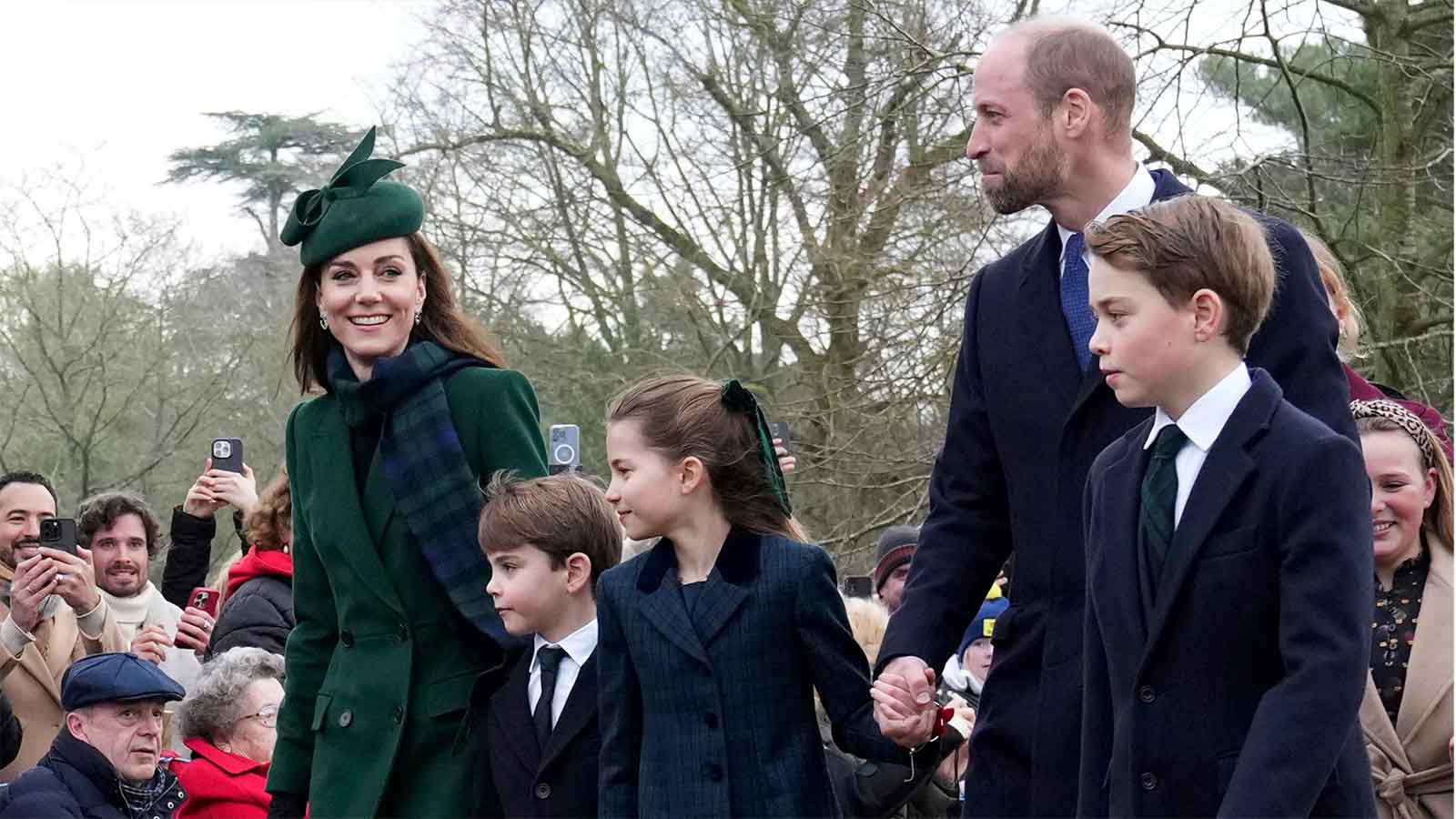
- Prince William’s children will receive new royal titles when he becomes king.
- Prince George is likely to become Duke of Cornwall, Duke of Rothesay, and possibly Prince of Wales.
- Princess Charlotte may inherit the honorary title Princess Royal, but only if it becomes vacant.
- Prince Louis could receive a dukedom, with Dukedom of York traditionally assigned to the monarch’s second son, though recent controversy may affect this.
- Major title decisions often occur when royals come of age or marry, reflecting both tradition and modern challenges.
Royal Titles in Transition: What’s at Stake for Prince William’s Children?
In the grand halls of British royalty, tradition is more than pageantry—it’s a living legacy, handed down through generations. With Prince William poised to inherit the throne after King Charles, all eyes are on his three children: Prince George, Princess Charlotte, and Prince Louis. Their future titles aren’t just ceremonial; they reflect centuries of history, social shifts, and, sometimes, controversy.
Prince George: The Heir’s Automatic Inheritance
The moment Prince William becomes king, Prince George, as his eldest son and direct heir, will step into a new constellation of titles. By tradition dating back to 1301, George will immediately become the Duke of Cornwall and the Scottish Duke of Rothesay. These aren’t mere labels; they symbolize the responsibilities and privileges of the heir apparent.
Most notably, George is likely to be granted the title of Prince of Wales—one of the most storied titles in British history. However, this isn’t automatic. The timing depends on George’s age and marital status at the moment William ascends. For instance, when King Charles became sovereign, William, at age 40 and already married, received the title quickly. If George is still young or unmarried when William becomes king, William could delay the bestowal, possibly waiting until George’s coming of age or wedding day. This flexibility reflects both tradition and the realities of modern royal life (People).
Alongside Prince of Wales, George would inherit other titles such as Earl of Chester. Notably, William’s current title as Duke of Cambridge would revert to the Crown and could be reassigned, underscoring the complex choreography behind royal titles.
Princess Charlotte: Honor in Limitation
Royal tradition, shaped by centuries of patriarchal practice, offers fewer automatic titles for women. Princess Charlotte, William’s only daughter, faces a different path. Dukedoms are traditionally reserved for men; the only route for a woman to become a duchess is through marriage to a duke.
The highest honor Charlotte could receive is the title of Princess Royal—a distinction established in 1642 by King Charles I for his daughter, Princess Mary. Only seven women have held this honor, and it’s a lifelong rank given at the monarch’s discretion. Charlotte can only inherit the title when it becomes vacant, meaning after the passing of its current holder, Princess Anne. It’s a poignant reminder of how the pace of change in royal protocol often lags behind society (Debrett’s).
Prince Louis: Possibility Amid Controversy
Prince Louis, as the youngest, faces a future that’s both open and uncertain. Tradition suggests the Dukedom of York—a title typically given to the monarch’s second son since the 15th century—could be his. The lineage includes Queen Elizabeth II’s father, King George VI, who was Duke of York before the 1936 abdication crisis.
But the shadow of controversy looms. Prince Andrew, the previous Duke of York, was stripped of his title and other honors in October 2025 following public scandal. This has led to speculation that the title may be considered “tainted” and withheld from future use. Whether Louis receives this or another dukedom will depend on what titles are vacant and how the royal family chooses to navigate sensitive historical associations (People).
Why Titles Matter: The Human Story Behind Royal Protocol
It’s easy to view royal titles as distant or purely symbolic. But behind every tradition is a story—a balancing act between honoring the past and responding to the present. For George, Charlotte, and Louis, the assignment of titles will shape not only their public identities but also their roles within the royal family and British society.
The process isn’t instantaneous. Many major titles are only conferred when a royal comes of age or marries, allowing the family to consider personal readiness and public sentiment. This has become even more relevant as the monarchy faces calls for modernization, greater transparency, and sensitivity to historical controversies.
Controversy and Modern Challenges
The recent stripping of Prince Andrew’s titles has injected uncertainty into the traditional bestowal of royal honors. Public scrutiny, the evolving role of the monarchy, and changing attitudes toward hereditary privilege all play a part. The royal family, once governed by rigid protocol, now finds itself adapting to a world where every decision is watched, debated, and sometimes criticized.
For William and Kate, the choices they make about their children’s titles will be more than symbolic. They will signal how the next generation of royals will navigate tradition and change, respect and responsibility.
Looking Forward: The Next Chapter for the Royal Family
As the monarchy moves toward a new era, the question remains: how will William’s children embody both the weight of history and the promise of renewal? Will titles be conferred as they always have, or will current controversies and societal expectations prompt a shift in how the royal family approaches its legacy?
Whatever the outcome, one thing is certain: the decisions made in the coming years will echo far beyond royal walls, shaping not only the lives of George, Charlotte, and Louis, but also the very nature of British royalty in the 21st century.
The future of royal titles for Prince William’s children is a compelling microcosm of the monarchy’s broader challenge: balancing time-honored tradition with the necessity for change. As the British royal family stands at a crossroads, every title bestowed or withheld will reflect not just protocol, but the values and direction of a modern monarchy.