

Quick Read
- Singapore will fully switch to the new satellite-based ERP2 system by January 1, 2027.
- On-Board Units (OBUs) will be mandatory for all Singapore-registered motor vehicles.
- Over 93% of vehicles (930,000) have already completed OBU installation.
- A parliamentary bill debated on Feb 3, 2026, formalizes OBU mandates and new penalties.
- Missed ERP payments will be decriminalized, becoming administrative matters with LTA service restrictions.
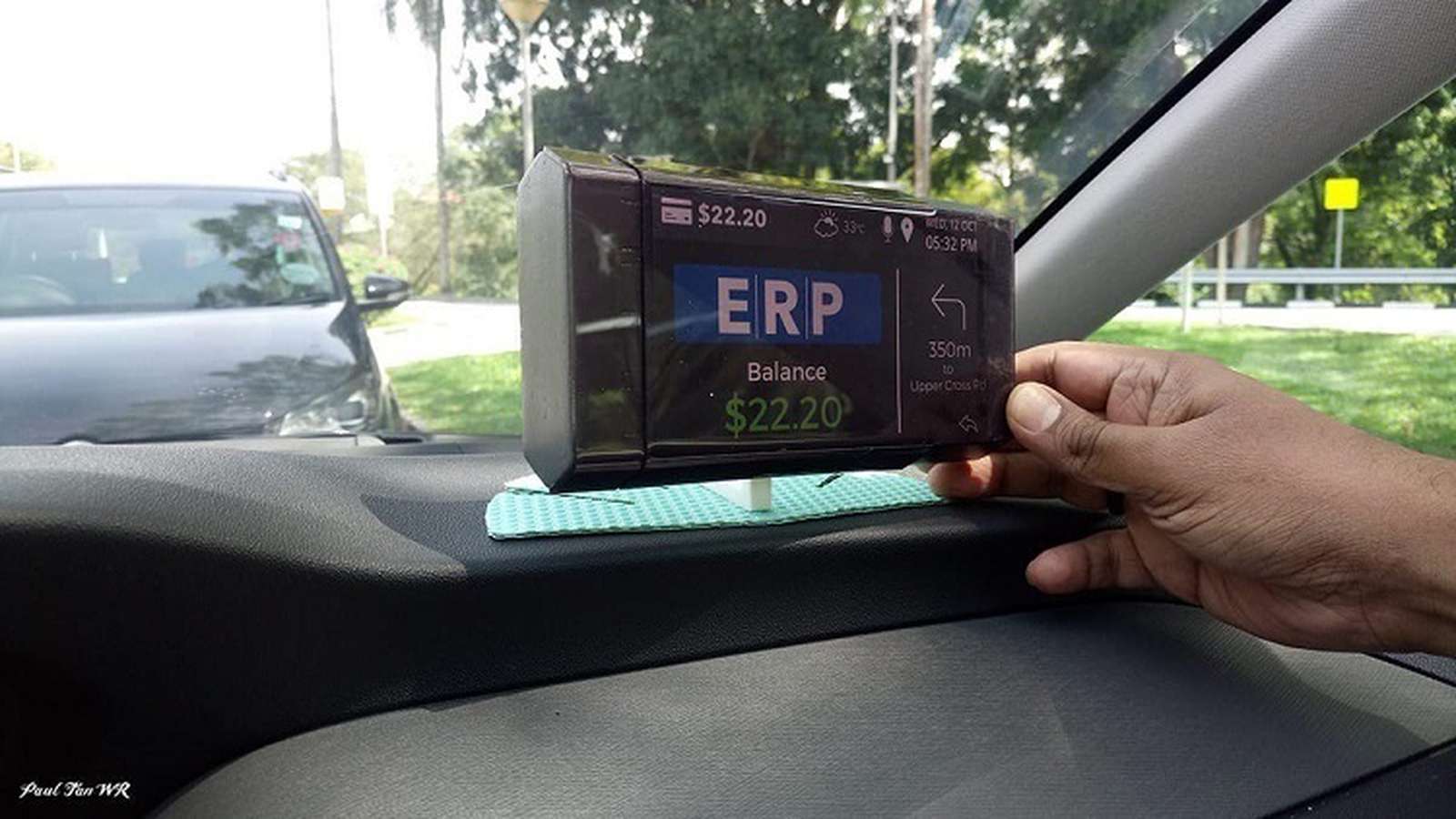
SINGAPORE (Azat TV) – Singapore is set to fully transition to its new satellite-based Electronic Road Pricing (ERP2) system by January 1, 2027, making the installation of new On-Board Units (OBUs) mandatory for all Singapore-registered motor vehicles. The Land Transport Authority (LTA) announced the definitive timeline on Tuesday, February 3, 2026, coinciding with a parliamentary debate on a new bill that formalizes these requirements and introduces revised enforcement measures.
The move marks a significant shift from the current gantry-based ERP system, leveraging satellite technology to determine vehicle location for toll charging. This technological upgrade aims to provide a fairer and more dynamic pricing model for road usage across the island nation.
Mandatory OBU Installation and Deadlines
The Land Transport Authority (LTA) reported that more than 93 percent of Singapore’s vehicles, approximately 930,000 units, have already completed the OBU set-up. The LTA stated it is ‘on track to complete the installation exercise in 2026.’ Vehicle owners who have not yet installed the new OBU will receive a final reminder starting February 15, 2026. They will then have a three-month grace period for free installation.
Following this free installation period, vehicle owners will incur charges of S$35 for motorcycles and S$70 for all other vehicles to have the OBU installed. This mandatory unit is crucial for the ERP2 system, which uses satellite navigation to calculate tolls, replacing the need for physical gantries currently scattered across Singapore’s roads.
Legislative Backing and Revised Penalties for ERP2
Acting Transport Minister Jeffrey Siow moved the Land Transport and Related Matters Bill for debate in Parliament on Tuesday, February 3, 2026, underscoring the legal framework for the ERP2 system. The bill explicitly mandates the OBU for all eligible vehicles, citing the system’s reliance on satellite technology for accurate toll collection. This legislation also addresses unauthorized services and tampering related to the OBUs.
Under the proposed laws, unauthorized OBU services, including installation, modification, repositioning, repair, or advertising, will be met with severe penalties. Individuals or workshops found in violation could face fines of up to S$20,000, up to 12 months in jail, or both.
Decriminalizing Missed ERP Payments
A notable aspect of the new legislation is the decriminalization of missed ERP charges. Previously, unpaid ERP charges could lead to court prosecution as a traffic offense. The new bill reclassifies these as administrative matters, streamlining the handling of non-payments. Instead of criminal charges, vehicle owners who fail to pay their ERP charges will be barred from selected LTA services, such as renewing road tax or transferring vehicle ownership, until all outstanding payments are settled.
This shift aims to simplify enforcement and reduce the burden on the judicial system, treating non-payment as a regulatory compliance issue rather than a criminal one.
Exemptions and Foreign Vehicle Provisions
While the OBU installation is largely mandatory, certain vehicle categories will be exempted. These include construction equipment like tractors and vehicles operating under the Restricted Use Scheme, such as those used within airports and ports. Owners of classic or vintage vehicles are also exempt, though they retain the option to install a free OBU if a workshop determines it to be technically feasible.
For foreign-registered vehicles, owners can choose to install an OBU. Those who opt against installation will be subject to a daily flat-rate ERP fee. However, Malaysian taxis are specifically required to install an OBU to facilitate tracking and enforcement within Singapore, as confirmed by Acting Transport Minister Siow.
The transition to the ERP2 system represents a significant modernization of Singapore’s traffic management infrastructure, aligning with global trends in smart city development. By moving to satellite technology and refining enforcement mechanisms, the government aims to enhance efficiency and fairness in managing road congestion, while also adapting its legal framework to better suit the digital age.