
Quick Read
- Bad Bunny’s Super Bowl Halftime show on Feb 9, 2026, showcased Puerto Rican culture to a global audience.
- The performance highlighted themes of Latino identity and made subtle political statements regarding Puerto Rico’s power infrastructure and Hurricane Maria.
- Puerto Rico’s tourism sector saw record growth in 2024, influenced by artists like Bad Bunny.
- Rapid tourism growth has raised concerns about cultural erosion, environmental degradation, and rising living costs for locals.
- Efforts are underway to promote sustainable tourism beyond San Juan and integrate community-based experiences.
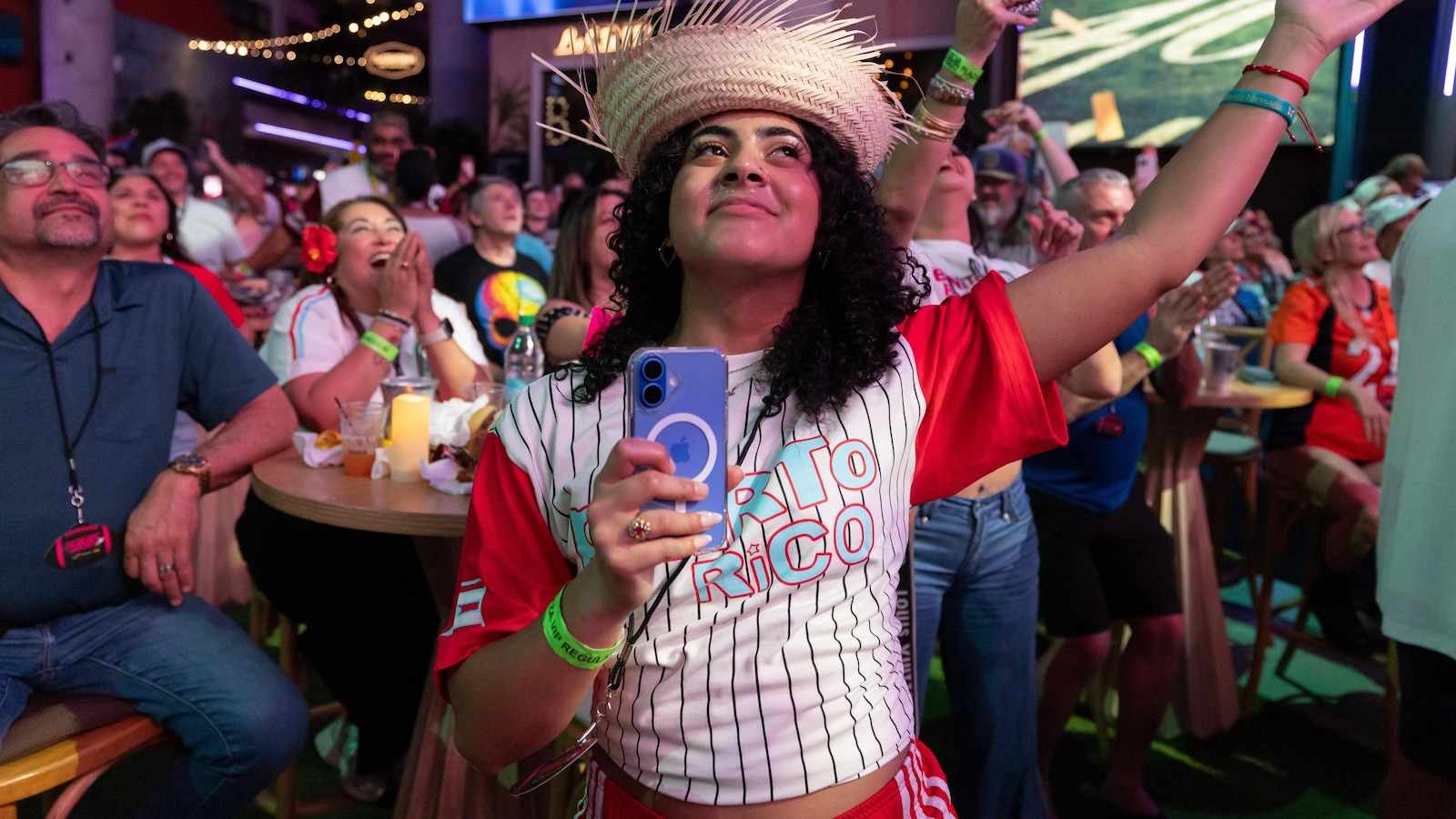
SANTA CLARA, Calif. (Azat TV) – Global music sensation Bad Bunny, born Benito Antonio Martínez Ocasio, commanded the Super Bowl Halftime show on Sunday, February 9, 2026, delivering a vibrant performance that brought Puerto Rican culture to the world stage. The 13-minute spectacle, which saw much of Puerto Rico halt to watch, served as a powerful cultural statement, amplifying ongoing discussions about the island’s booming tourism industry and the critical need for sustainable development that balances economic growth with environmental protection and cultural preservation.
Bad Bunny’s performance at Levi’s Stadium in Santa Clara, California, was a vivid tapestry of Puerto Rican life, featuring stage sets inspired by barber shops, bodegas, and family gatherings where elders played dominos. He opened the show with the resonant phrase, «Que rico es ser Latino» (How rich it is to be Latino), a sentiment that echoed his previous tour message, «Puerto Rico, estamos en casa» (Puerto Rico, we are home), signaling an expanded sense of belonging for Latinos everywhere, as reported by NPR. The set included heart-thumping hits like «Tití Me Preguntó» and «Yo Perreo Sola,» alongside tracks from his Grammy-winning album Debí Tirar Más Fotos.
Beyond the celebratory atmosphere, Bad Bunny wove in poignant and politically charged moments. He performed «El Apagón» from atop a flickering Luma light post, a clear reference to Luma Energy, the private company responsible for Puerto Rico’s often-criticized power infrastructure, symbolizing frequent power outages. He also wore a beige sweater emblazoned with the number 64, which some interpreted as a tribute to the official death toll from Hurricane Maria in 2017, a figure widely believed to be a severe undercount and a painful reminder of the perceived inadequate federal response. The show also featured Puerto Rican legend Ricky Martin, who sang «Lo Que le Pasó a Hawaii,» a song warning against the erasure of local culture, further underscoring the performance’s deeper message. Despite criticism from figures like former President Donald Trump, who called the performance «terrible» and «an affront to the Greatness of America,» Bad Bunny ended his set with «God Bless America» before listing numerous countries and territories, including Puerto Rico and the U.S., with their flags carried side-by-side, as noted by BBC.
Puerto Rico’s Tourism Boom and Its Price
Bad Bunny’s global appeal has undeniably contributed to Puerto Rico’s surging popularity as a tourist destination. In 2024, the island welcomed over 6.6 million air passengers, a record-breaking 8% increase from the previous year, according to Discover Puerto Rico. This growth in the hospitality sector, which contributed $7.6 billion to the island’s GDP in 2024, representing 6.6% of the total economy, occurred even before Bad Bunny’s highly anticipated 2025 concert residency, as USA Today reported.
However, this rapid growth has not been without its challenges. The influx of visitors, many of whom still concentrate in the San Juan metropolitan area, has raised significant concerns about overtourism. Places like La Placita in Santurce, once a local hub, are now predominantly frequented by tourists, leading to fears of cultural erosion. Arturo Massol Deyá, director of the community-based organization Casa Pueblo, highlighted that when visitors do not integrate, it creates «a kind of contamination,» impacting the authentic local experience. Environmentally, areas like the northeast corridor, a nesting ground for endangered leatherback turtles, have seen increased litter, unauthorized vehicle use, and disregard for protected zones. Nilda García, president of Coalición Pro Corredor Ecológico del Noreste, stressed that «ecotourism means more than just being in nature – it means respecting it.»
Balancing Growth and Preservation in Puerto Rico
The economic benefits of tourism are widely acknowledged, with 82% of Puerto Ricans supporting it as an economic driver. The challenge lies in managing this growth responsibly. Discover Puerto Rico, the island’s destination marketing organization, has launched initiatives to decentralize tourism from popular areas like Old San Juan and El Yunque, encouraging visitors to explore lesser-known regions and engage with the island’s culture through gastronomy in Cayey, heritage tourism in Ponce, or adventure in the central mountains. This strategy has seen 39% of visitors exploring the east coast, 29% venturing south, and another 29% heading west.
Community organizations and local businesses are also advocating for and implementing sustainable practices. Businesses like Roca Norte Climbing Gym in Vega Baja and Finca Gaia in Dorado have integrated agrotourism, conservation, and cultural immersion. There is a growing call for stronger regulations on tour operators and stricter enforcement of environmental protections. The rising cost of living and housing prices in popular tourist towns like Luquillo and Rincón, driven by property purchases by non-residents, mirrors concerns seen in places like Hawaii. While Puerto Rico has not yet introduced similar policies to protect local housing markets, discussions around a «voluntourism» model, where businesses offer community service projects for visitors, are gaining traction.
Hard Rock International’s recent announcement of an $850 million music-inspired hotel and casino project in San Juan, anticipated to open in 2029, further underscores the ongoing investment in Puerto Rico’s hospitality sector. This development, while promising economic opportunities, will also intensify the scrutiny on how the island balances its development ambitions with its commitment to sustainability and cultural integrity.
Bad Bunny’s powerful Super Bowl Halftime performance not only celebrated Puerto Rican identity but also served as a timely cultural touchstone, drawing global attention to the critical juncture the island faces in navigating the complexities of its tourism boom and ensuring that its unique heritage and environment are preserved for its residents and future generations.