
Quick Read
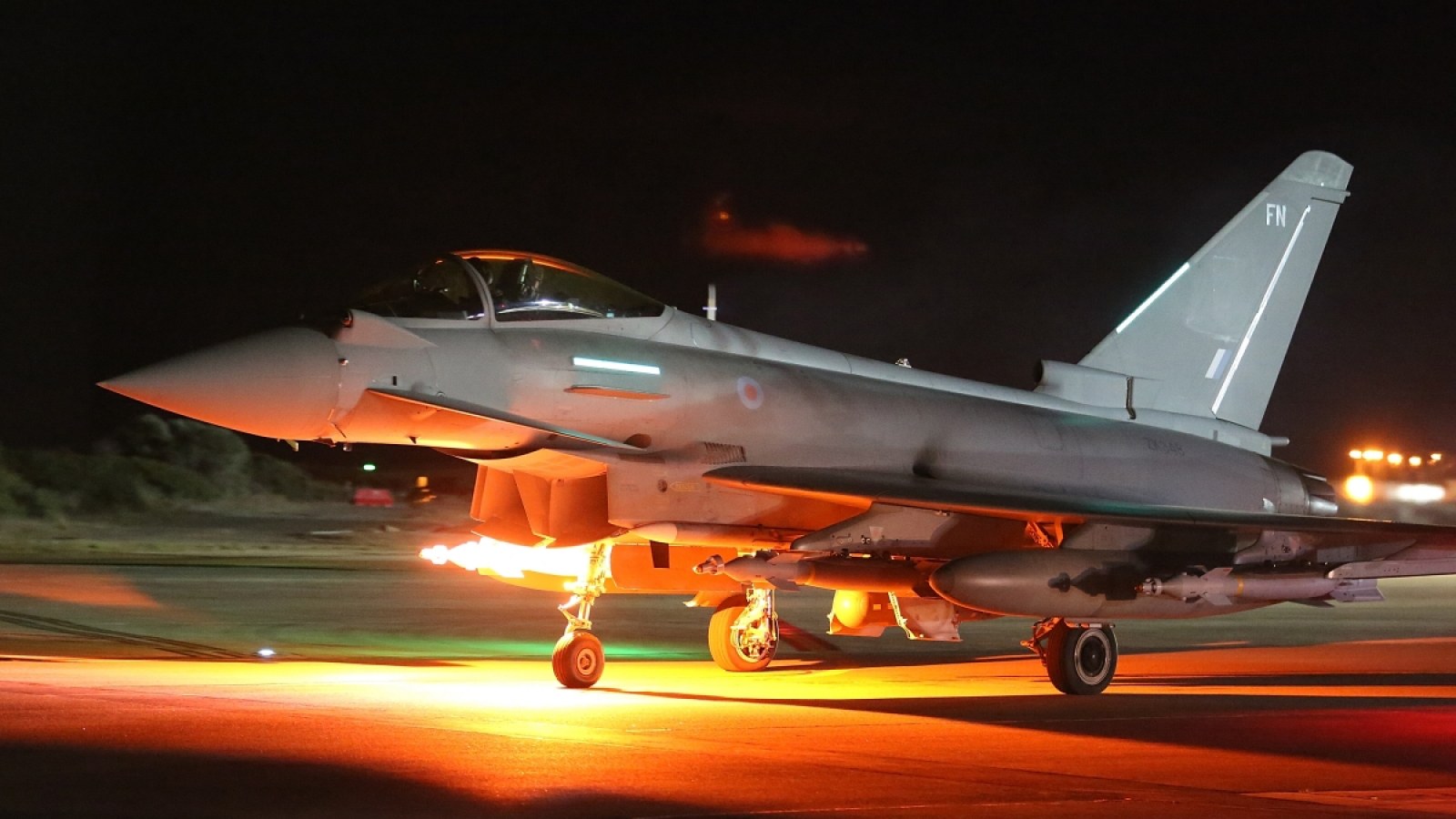
- On January 4, 2026, RAF Typhoon jets and French forces conducted a joint airstrike in Syria.
- The target was an ISIS weapons facility, aimed at degrading the group’s capabilities.
- The operation highlights continued international cooperation against ISIS despite its territorial defeat.
- Airpower remains a critical component of the coalition’s strategy to disrupt ISIS logistics.
- The strike reinforces the persistent nature of the ISIS threat and the need for ongoing counter-terrorism efforts.
In the quiet dawn of January 4, 2026, the skies over Syria once again bore witness to the grim reality of an enduring conflict. This time, it was a coordinated effort by two formidable European air forces: the British Royal Air Force (RAF) and their French counterparts. Their mission, as reported by outlets like The Sun, was clear and critical: to strike an Islamic State (ISIS) weapons facility, a stark reminder that even years after its territorial defeat, the extremist group remains a persistent and dangerous threat in the region.
The joint operation, involving RAF Typhoon jets, underscores a sustained international commitment to degrade and dismantle ISIS capabilities. While specific details of the ordnance used or the precise location of the targeted facility remain undisclosed in public reports, the nature of the target – a weapons site – speaks volumes about the coalition’s strategic priorities. Disrupting the flow and storage of weaponry is a crucial step in preventing the group from re-arming and orchestrating further attacks, whether against local populations or international interests.
The Enduring Shadow of ISIS: A Persistent Threat
Despite significant setbacks and the loss of its self-proclaimed caliphate in 2019, ISIS has proven remarkably resilient. The group has adapted, transforming from a territorial entity into a decentralized insurgency, operating in the shadows of Syria’s complex civil war. Its remnants continue to exploit instability, particularly in ungoverned or weakly governed areas, to regroup, recruit, and plot. This adaptability means that counter-terrorism efforts cannot afford to wane; they must evolve alongside the threat.
The coalition’s strategy against ISIS involves a multi-faceted approach, combining intelligence gathering, targeted airstrikes, and support for local ground forces. Airpower, as demonstrated by this joint RAF-French operation, plays an indispensable role in this strategy. It allows for precision strikes against high-value targets, minimizes risks to ground troops, and projects a continuous deterrent presence. However, the nature of ISIS’s diffuse network often means that each strike, while important, is part of a much larger, protracted campaign.
The targeting of a weapons facility highlights intelligence successes in identifying critical nodes within ISIS’s logistical chain. Such facilities are vital for the group’s operational capacity, enabling them to equip fighters, construct improvised explosive devices (IEDs), and maintain a semblance of military strength. By neutralizing these sites, the coalition aims to cripple ISIS’s ability to wage war, thereby protecting civilians and supporting the long-term stability of the region.
A Symphony of Steel: Coalition Airpower in Action
The involvement of RAF Typhoon jets, alongside French assets, showcases the ongoing interoperability and coordination between allied nations. These advanced multi-role combat aircraft are perfectly suited for such missions, offering a blend of speed, maneuverability, and precision strike capabilities. For the pilots, these operations are not merely about flying; they are about executing complex tactical maneuvers under pressure, relying on advanced avionics and real-time intelligence to deliver impactful strikes while adhering to strict rules of engagement designed to minimize civilian casualties.
The collaborative nature of this strike also sends a powerful message. It reaffirms the unity of purpose among international partners in the face of global terrorism. In a region fraught with geopolitical complexities and competing interests, such joint operations serve as a testament to the shared resolve to prevent ISIS from regaining its former strength. The coordination between the RAF and French forces is a practical demonstration of how alliances translate into tangible action on the battlefield, pooling resources and expertise for greater effectiveness.
Moreover, these strikes are not isolated incidents but rather components of a broader, sustained campaign. Since the initial intervention against ISIS, coalition forces have conducted thousands of airstrikes, significantly degrading the group’s leadership, infrastructure, and financial networks. Each successful operation, like the one on January 4, 2026, contributes to the cumulative pressure on ISIS, making it harder for them to operate and rebuild. The dedication of personnel, both in the air and on the ground, underscores the human element behind these technological marvels, emphasizing the constant vigilance required to safeguard security.
Looking Ahead: The Future of Counter-Terrorism in Syria
As 2026 unfolds, the challenges in Syria remain immense. The country is fragmented, with various actors controlling different territories, and the humanitarian crisis persists. Against this backdrop, ISIS continues to lurk, adapting its tactics to the ever-shifting landscape. The international community, including the UK and France, recognizes that military action alone cannot resolve the underlying issues that allow extremism to fester. A comprehensive approach, encompassing political solutions, humanitarian aid, and long-term stabilization efforts, is essential.
However, while these broader solutions are pursued, the immediate threat posed by ISIS necessitates continued vigilance and robust counter-terrorism operations. The joint strike on the weapons facility is a clear signal that the international coalition is not lowering its guard. It is a commitment to ensuring that ISIS does not find safe havens to plot and execute attacks that could destabilize the region further and pose threats globally. The intelligence networks, surveillance capabilities, and strike platforms will continue to be crucial tools in this ongoing fight, adapting to the nuances of an evolving enemy.
The human cost of this conflict, both for those directly affected by ISIS atrocities and for the military personnel engaged in combating them, is immense. It’s a reminder that beneath the headlines of military operations lie countless stories of courage, resilience, and profound loss. The strategic decisions made in distant capitals translate into tangible outcomes on the ground, impacting lives and shaping the future of a troubled region. The ongoing involvement of forces like the RAF and the French Air Force reflects a deep-seated understanding that global security is intertwined with regional stability.
The coordinated strike by British and French air forces against an ISIS weapons site in Syria in early 2026 serves as a powerful, albeit somber, affirmation of the enduring international resolve to confront terrorism. It highlights the continued necessity of targeted military action to contain and degrade a resilient extremist group, even as the broader, complex challenges of Syrian stability demand comprehensive diplomatic and humanitarian solutions.