
Quick Read
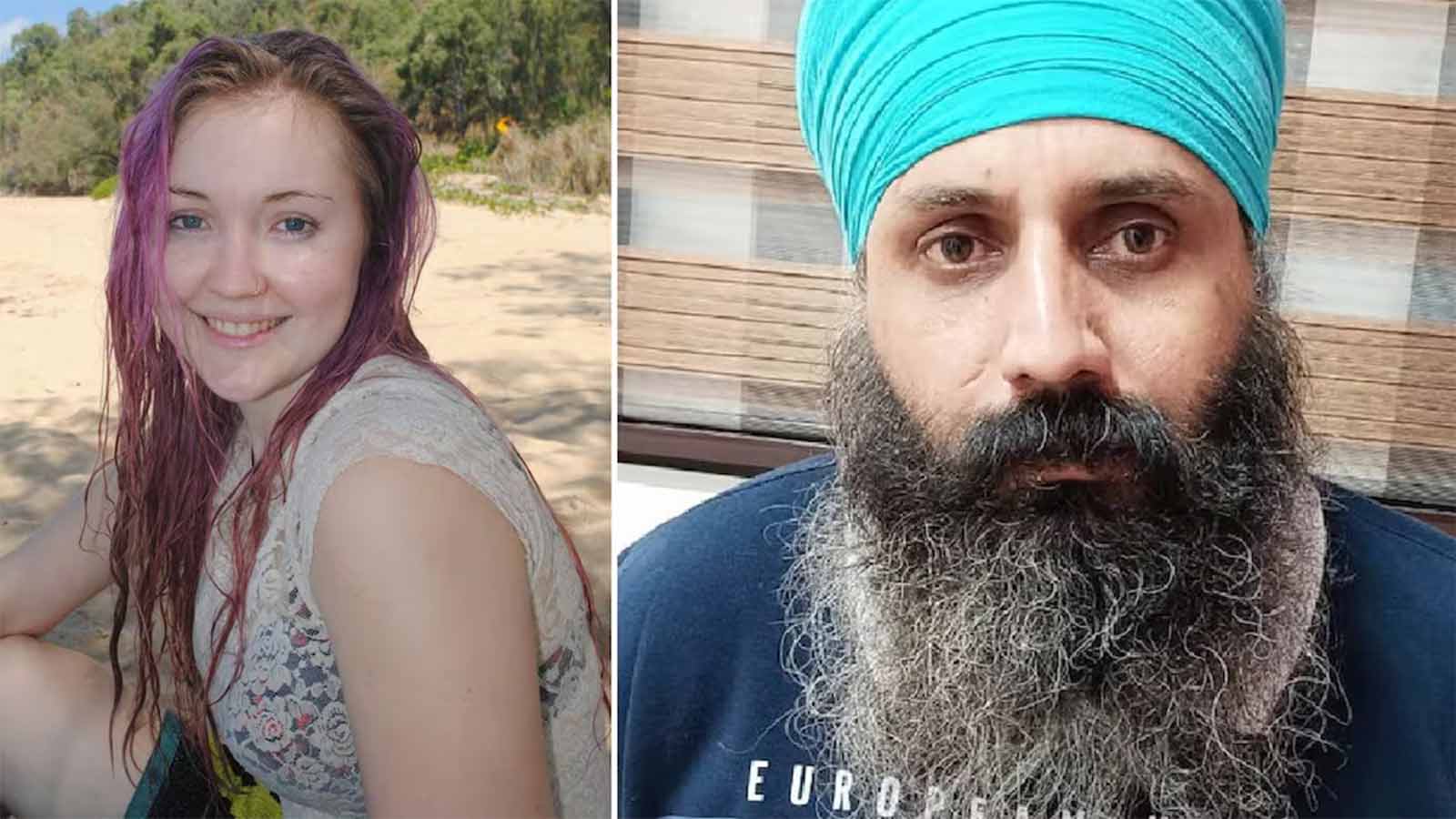
- Rajwinder Singh, a former nurse, was found guilty of murdering Toyah Cordingley in 2018 on Wangetti Beach, Queensland.
- Singh fled to India after the crime, evading authorities for four years before his arrest in New Delhi in 2022.
- The verdict followed a retrial, with DNA and circumstantial evidence key to the prosecution’s case.
- Toyah’s death galvanized the local community, leading to marches and a $1 million reward for information.
- Singh now awaits sentencing, closing a chapter in a case that gripped Australia.
Toyah Cordingley’s Murder: A Queensland Community’s Long Wait for Justice
In the early hours of October 22, 2018, the quiet sands of Wangetti Beach in Far North Queensland became the site of a tragedy that would ripple across Australia for years. Toyah Cordingley, a 24-year-old animal shelter volunteer known for her gentle spirit, had gone for a Sunday afternoon walk with her dog Indie. She never returned home. Her father, Troy Cordingley, discovered her body half-buried in the dunes the next morning, while Indie was found alive, tied tightly to a nearby tree.
The shock was immediate and profound. Within days, local communities rallied, hundreds marched against violence towards women, and Toyah’s name became a symbol of grief and resolve. Handmade posters appeared on shop windows, bumper stickers demanded justice, and online tributes painted a vivid portrait of a “gentle, humble and loving” young woman whose life was cut short in an act police called “personal and intimate.”
The Investigation: Evidence, Flight, and a Global Manhunt
Detectives quickly began to piece together the events of that fateful day. Rajwinder Singh, a former nurse originally from Punjab, India, who was living in the town of Innisfail, became a person of interest after police noticed that the movements of his blue Alfa Romeo matched those of Toyah’s phone as it left the beach. DNA evidence recovered from a stick at the scene was reportedly 3.8 billion times more likely to have come from Singh than from a random person, according to testimony presented at trial (BBC).
The morning after Toyah’s death, Singh booked a one-way flight to New Delhi, telling a travel agent his grandfather was ill. He left behind his wife, three children, and parents, who were financially dependent on him. The abrupt departure—without a word to his family—was seen by prosecutors as a clear sign of guilt. For four years, Singh evaded authorities, living quietly in India while Queensland police, desperate for a breakthrough, announced a record $1 million reward for information leading to his arrest in late 2022 (The Guardian).
The reward worked. Singh was arrested at a Sikh gurdwara in New Delhi just weeks after its announcement. He did not contest extradition and was returned to Australia in early 2023 to face murder charges, telling reporters in India, “I want to go back. It is the (Indian) judicial system that has been holding things up.” He maintained his innocence, saying, “I did not kill the woman,” and expressed a desire to “reveal all the details” in an Australian court (ABC).
The Trials: Retrials, Jury Turmoil, and a Community on Edge
The path to justice was anything but straightforward. Singh’s first trial, held in early 2024, ended in a hung jury after days of deliberations. The retrial began in November 2025, stretching over four weeks and involving more than 80 witnesses. The legal proceedings were marked by dramatic moments, including the expulsion of a juror for “concerns about impartiality” after a fellow juror reported bias and disregard for police evidence. The judge, Lincoln Crowley, decided the trial would continue after confirming the remaining jurors could proceed free from prejudice.
Prosecutors argued that only the killer could have had Toyah’s phone and that Singh’s decision to flee was a sign of guilt. The defense countered that Singh, acting alone, could not have overpowered both Toyah and her dog, and pointed to other men in the area with histories of violence and access to knives. But the circumstantial evidence was overwhelming: DNA, phone and car movements, and the timing of Singh’s departure.
After about seven hours of deliberations, the jury delivered its unanimous verdict: guilty of murder. The verdict came seven years after Toyah’s death and nine months after the first trial failed to reach a conclusion. The courtroom erupted with emotion. Toyah’s father was heard saying, “rot in hell, you bastard,” as Singh sat motionless in the dock.
Impact and Aftermath: Grief, Community, and the Search for Closure
The loss of Toyah Cordingley shook Far North Queensland to its core. About 350 mourners packed a chapel in Cairns for her funeral. Her death sparked not only local marches but also a wider conversation about violence against women in Australia. Police later confirmed that the $1 million reward had been paid to several individuals, though details remain confidential.
For Toyah’s family and the broader community, the guilty verdict offers a measure of closure, but the scars remain. The tragedy highlighted the vulnerability of women, the persistence of community grief, and the slow, often painful march toward justice. Singh now awaits sentencing, the final chapter in a saga that began on a peaceful beach and ended in an Australian courtroom after years of uncertainty and heartbreak.
Editorial Assessment: The resolution of Toyah Cordingley’s murder case stands as a testament to the relentless pursuit of justice by law enforcement and the unwavering support of a grieving community. While the verdict brings relief, it also serves as a somber reminder of the profound impact violent crime has on families and society. The case underscores the importance of forensic evidence, international cooperation, and public vigilance in achieving accountability, but also leaves lingering questions about prevention and healing for communities touched by tragedy.