
Quick Read
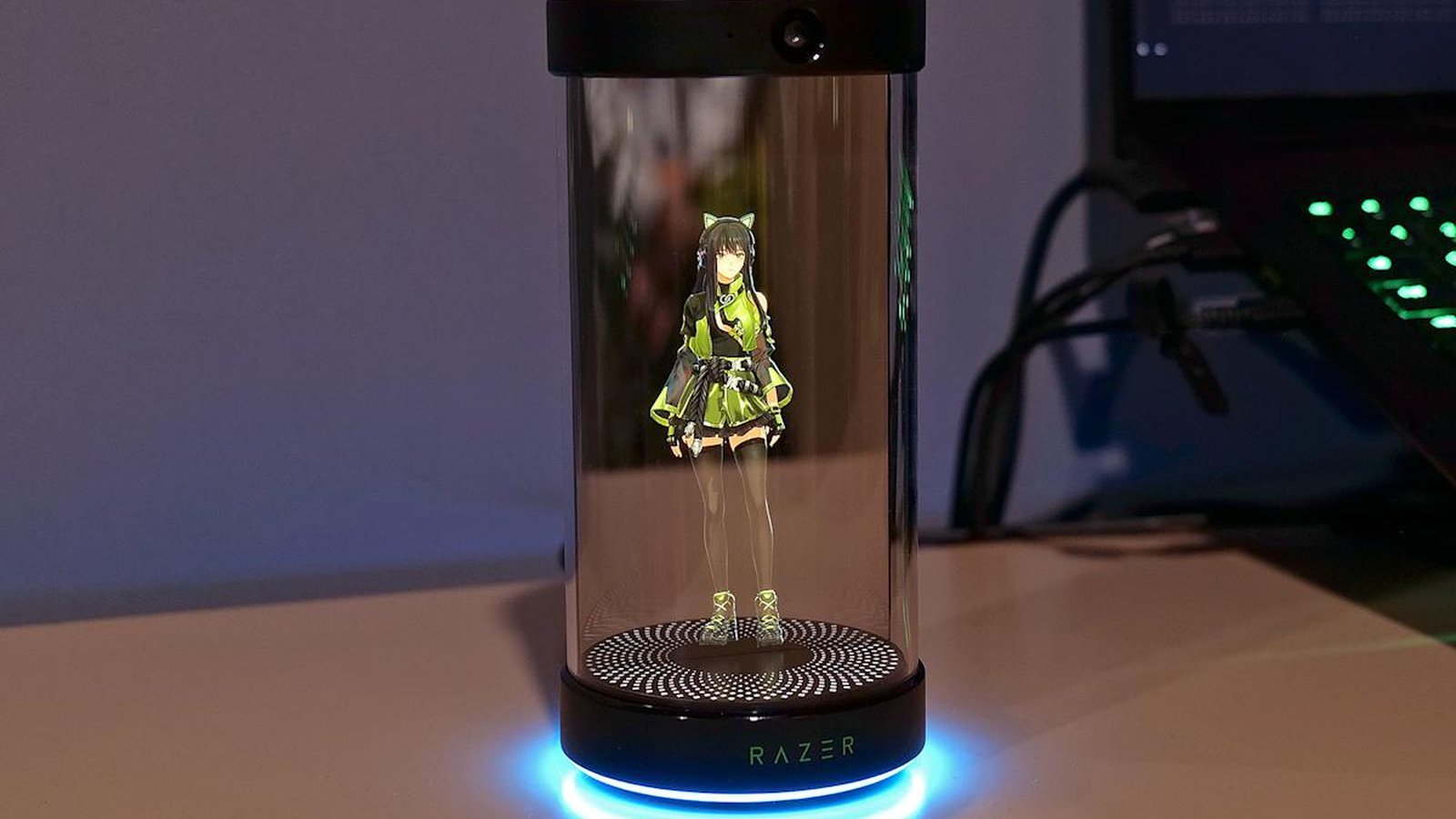
- Razer unveiled Project Ava at CES 2026, an AI gaming assistant in a cylindrical desktop device.
- Project Ava features an animated character as its avatar, offering real-time gaming tips and commentary.
- The device is described as the ‘world’s first physical AI partner’ and can assist with tasks beyond gaming, like wardrobe organization.
- It aims to provide a personalized and immersive gaming co-pilot experience, adapting to player styles.
- Project Ava signifies a shift towards embodied AI companions, integrating AI more deeply into users’ physical spaces.
Las Vegas, Nevada, once again transformed into the epicenter of technological innovation at CES 2026, showcasing a dizzying array of gadgets, concepts, and groundbreaking ideas. Amidst the usual fanfare of foldable phones, modular laptops, and advanced robotics, Razer, a name synonymous with high-performance gaming, introduced a concept that truly captured the imagination: Project Ava. This isn’t just another accessory; it’s a bold step into the future of interactive gaming and personal AI companionship, presenting an artificial intelligence assistant in a tangible, desktop-bound form.
For years, AI in gaming has largely resided in the background, powering non-player characters or refining game mechanics. Project Ava, however, brings AI directly into the player’s physical space, offering a real-time co-pilot experience. Unveiled as a cylindrical device designed to sit prominently on a gamer’s desktop, its most striking feature is an animated character that serves as the AI’s avatar. This visual representation isn’t merely decorative; it’s the interface through which Ava communicates, providing tips, commentary, and perhaps even a touch of personality to the intense world of competitive or immersive gaming. It’s a move that blurs the lines between virtual assistance and genuine companionship, pushing the boundaries of what we expect from our tech.
The Dawn of Desktop AI Companions
CES 2026 was abuzz with AI. From Lenovo’s Qira, a hybrid AI assistant leveraging both on-device and cloud processing, to the pocket-sized Tiiny AI Pocket Lab, the narrative was clear: AI is no longer a distant concept but an immediate, integrated part of our daily lives. Razer’s Project Ava distinguishes itself by focusing specifically on the gaming experience, yet its implications extend far beyond. Housed in its sleek, cylindrical form factor, Ava is designed to be a constant presence, a dedicated companion that understands the nuances of gameplay in real-time. This physical embodiment of an AI assistant marks a significant departure from purely voice-activated or screen-based interactions.
The animated character displayed by Project Ava immediately sparked discussions, with some observers, like Engadget, playfully referring to it as a ‘waifu in a bottle.’ This lighthearted moniker, while perhaps not Razer’s official branding, underscores the device’s potential to foster a sense of connection and personality. Unlike a simple chatbot or a voice assistant echoing from a speaker, Ava’s avatar offers a visual focal point, enhancing the feeling of interacting with a distinct entity. This design choice taps into a deeper human desire for companionship, even if that companion is an advanced algorithm.
The concept of a ‘physical AI partner’ is a significant leap. While many AI systems exist purely in the cloud or as software on our devices, Ava brings its intelligence into a dedicated hardware form. This physical presence on a desktop could foster a more consistent and integrated user experience, making the AI feel less like a tool and more like an active participant in the gaming session. It’s an intriguing evolution in how we might interact with AI, moving towards a more embodied and personalized relationship.
Beyond the Screen: Ava’s Real-Time Gaming Integration
At its core, Project Ava is engineered to be a real-time gaming co-pilot. Imagine navigating a complex boss fight or strategizing in a multiplayer arena, and having an intelligent assistant offering contextual advice as you play. Mashable tech editor Timothy Beck Werth’s experience with the ROG Xreal R1 AR gaming glasses at CES, where he felt like he was ‘living in the future,’ highlights the craving for more immersive and assisted gaming experiences. Ava aims to fulfill this by providing dynamic tips and commentary, learning from your playstyle, and adapting its guidance to suit the moment.
This level of integration demands sophisticated AI capabilities. Project Ava would need to process game states, player actions, and even potentially player emotions (through external sensors or input analysis) to deliver truly relevant and helpful insights. The promise is not just about winning more games, but about enhancing the overall enjoyment and learning curve. For novice players, Ava could be a patient mentor; for seasoned veterans, a strategic sounding board or even an analytical coach pointing out subtle missed opportunities. This kind of dynamic, real-time assistance could fundamentally change how players engage with their games, offering a personalized layer of interaction previously unavailable.
The ability to offer ‘real-time commentary’ also opens up new avenues for content creation and spectator engagement. Streamers could integrate Ava’s insights into their broadcasts, providing an additional layer of analysis or entertainment. Competitive gaming teams might use Ava as a post-match review tool, dissecting strategies and identifying areas for improvement. The potential applications within the gaming ecosystem are vast, positioning Ava not just as a personal tool, but as a potential catalyst for broader innovation in how games are played, taught, and consumed.
A Glimpse into the Future: AI Beyond Gaming
While Project Ava’s primary focus is gaming, the concept of a dedicated, animated AI companion raises questions about its broader utility. Could this ‘physical AI partner’ evolve to assist with tasks beyond the virtual battlefield? Bhaskar English hinted at such possibilities, suggesting that Ava could ‘help with tasks like setting up a wardrobe.’ This seemingly mundane example is significant because it suggests a versatile AI capable of transitioning from high-stakes gaming advice to practical, everyday assistance.
This versatility implies that Razer envisions Project Ava as more than just a gaming gimmick. It could be a prototype for a new class of personal AI that integrates seamlessly into various aspects of our lives. Imagine an AI that not only helps you conquer virtual worlds but also assists with organizing your schedule, managing smart home devices, or even offering personalized health and wellness prompts. The cylindrical device on your desk could become a central hub for intelligent assistance, always present and ready to engage through its animated avatar.
The broader trend at CES 2026 certainly pointed towards an increasingly interconnected and AI-driven future. From Satellai’s pet collar using AI to flag health issues to Dreame’s ambitious expansion into a multitude of smart home appliances, the drive towards intelligent automation and predictive assistance was undeniable. Project Ava, with its unique blend of physical presence and personalized avatar, stands as a compelling example of how AI is moving beyond mere functionality to offer a more engaging and even emotionally resonant experience. Razer’s venture into this space suggests a future where our digital companions are not just voices in our devices, but distinct, animated entities sharing our physical space.
Project Ava represents a significant conceptual leap for Razer and the broader tech industry. By giving an AI gaming assistant a dedicated physical form and an animated avatar, Razer is exploring the psychological and practical implications of an embodied AI companion. While its immediate application is gaming, the underlying vision points towards a future where AI is not just intelligent, but also a constant, personalized presence in our lives, capable of both guiding us through digital challenges and assisting with the mundane realities of the physical world. This innovation, if refined and expanded, could redefine our relationship with artificial intelligence, moving it from a subservient tool to a more integrated and interactive partner.