
Quick Read
- Reggie Miller recently revealed the Indiana Pacers’ 2000 NBA Finals defensive strategy.
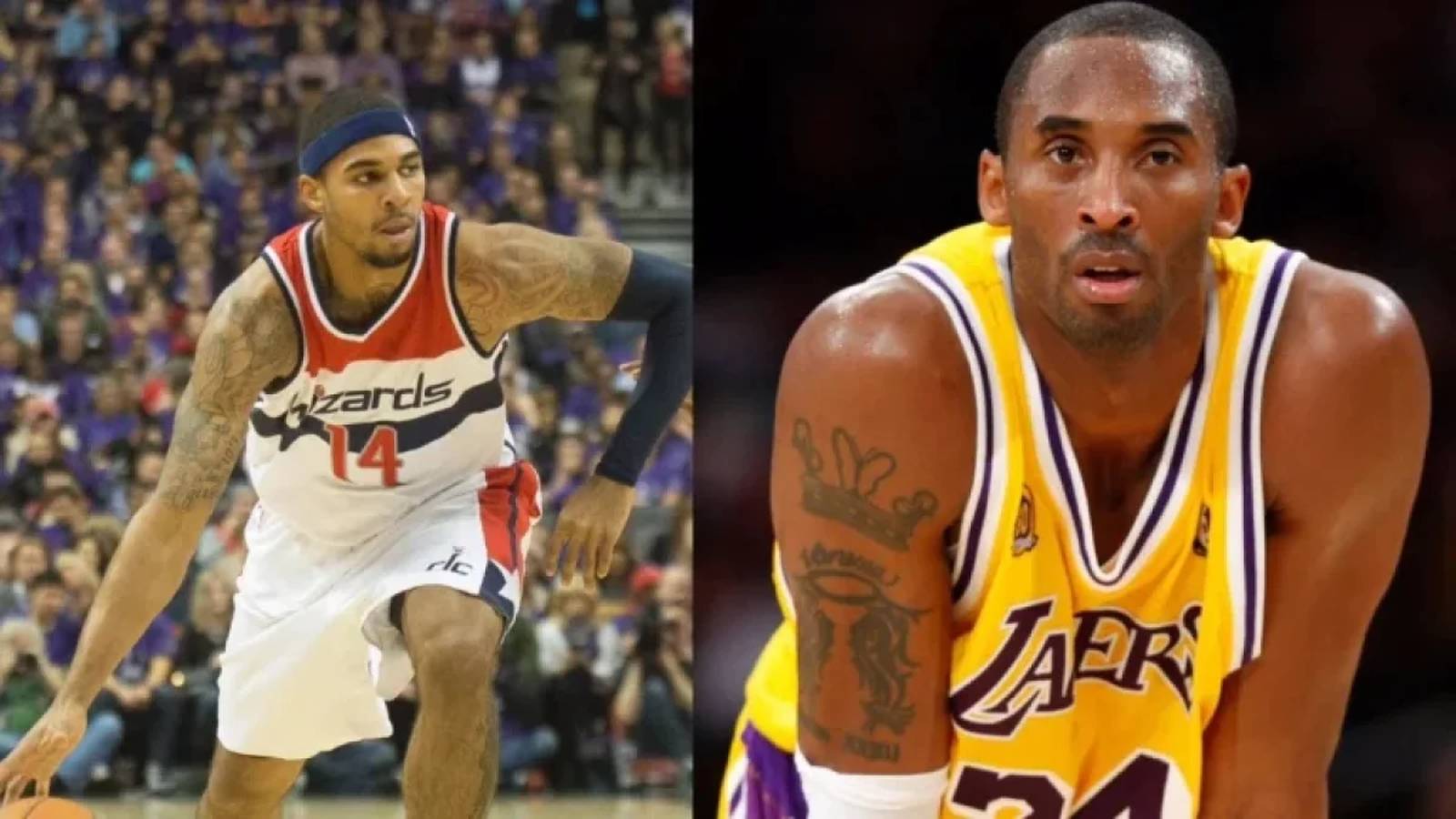
- Miller stated the Pacers were more concerned with Glen Rice than a young Kobe Bryant.
- Kobe Bryant was 21 years old in 2000, averaging 15.6 points per game.
- Glen Rice, then 32, was considered a clutch shooter and a more immediate threat.
- The Pacers’ inability to contain Shaquille O’Neal and Rice contributed to their series loss.
INDIANAPOLIS (Azat TV) – Legendary NBA sharpshooter Reggie Miller recently offered a revealing look into the Indiana Pacers’ defensive mindset during the 2000 NBA Finals, disclosing that the team’s primary concern was veteran forward Glen Rice, not the then-emerging superstar Kobe Bryant. Miller’s comments, made on a podcast with former Lakers teammate Shaquille O’Neal, challenge the widely accepted narrative surrounding that pivotal series, which launched the Los Angeles Lakers’ dynasty.
This insight, nearly two decades after the event, sheds new light on how player perceptions evolve and the complex strategic decisions made during high-stakes championship games. Miller’s frank assessment underscores a critical, often overlooked, aspect of that historic matchup, reshaping the understanding of one of basketball’s most iconic eras.
Reggie Miller’s Revelation on 2000 NBA Finals Strategy
Speaking on a recent podcast, Reggie Miller, a key figure for the Indiana Pacers in the 2000 NBA Finals, candidly admitted that his team was less worried about guarding Kobe Bryant, then a 21-year-old talent, than they were about containing Glen Rice. Miller stated, “I love Kobe to death, but we weren’t worried about Kobe.” At the time, Bryant was still finding his footing in the league, averaging a respectable but not yet dominant 15.6 points per game during that season.
This revelation provides a nuanced perspective on the Lakers team dynamic before their eventual three-peat. While Bryant was clearly a rising star, the Pacers’ defensive strategy centered on neutralizing the established threats: the dominant Shaquille O’Neal and the experienced, clutch-shooting Glen Rice. This approach reflects the strategic thinking of the era, prioritizing proven veterans and specific skill sets over burgeoning potential.
Glen Rice: The Pacers’ Primary Defensive Concern
At 32 years old during the 2000 Finals, Glen Rice brought a wealth of experience, multiple All-Star appearances, and a reputation as a dangerous outside shooter. For the Pacers, his versatility and shooting prowess made him an immediate and tangible threat that demanded significant defensive attention. Miller emphasized that stopping both O’Neal and Rice was considered essential for the Pacers’ chances of success against the formidable Lakers.
The strategic focus on Rice over Bryant highlights a key tension between age, experience, and perceived threat on the court. While the basketball world now views the 2000 Finals as a stepping stone for Kobe Bryant’s legendary career, Miller’s comments reveal that, in the heat of battle, the Pacers’ coaching staff and players made a calculated decision based on the immediate dangers posed by the Lakers’ roster. Their inability to fully execute this defensive game plan against both O’Neal and Rice ultimately contributed to their series loss.
Shifting Legacies: Kobe Bryant’s Emergence After 2000
Despite the Pacers’ initial defensive priorities, the 2000 NBA Finals proved to be a pivotal moment for Kobe Bryant’s career. Though not the primary defensive assignment for Indiana, the series allowed Bryant to further develop his game under immense pressure, eventually solidifying his future as one of the game’s greatest players. Following the Finals, Rice was traded, a move that firmly shifted the Lakers’ dynamics and reinforced the team’s reliance on the burgeoning dominance of Shaquille O’Neal and Kobe Bryant.
Glen Rice’s significant, though often overshadowed, contribution to that championship run illustrates the complex layers of a winning team, where multiple players contribute to success. Miller’s recent comments serve to honor these often-overlooked facets of team sports, where individual performances, even if not the primary focus of opponents, collectively shape outcomes and legacies. This generational shift in the Lakers’ hierarchy post-Rice trade confirmed not only the dominance of Shaq and Kobe but also the necessity for teams to adapt and rethink their strategies with emerging talents.
Reggie Miller’s recent insights offer a valuable historical corrective, reminding us that the narrative of past sporting events is often shaped by hindsight, and contemporary perceptions of player threat and importance can differ significantly from how they were viewed in the moment.