

Quick Read
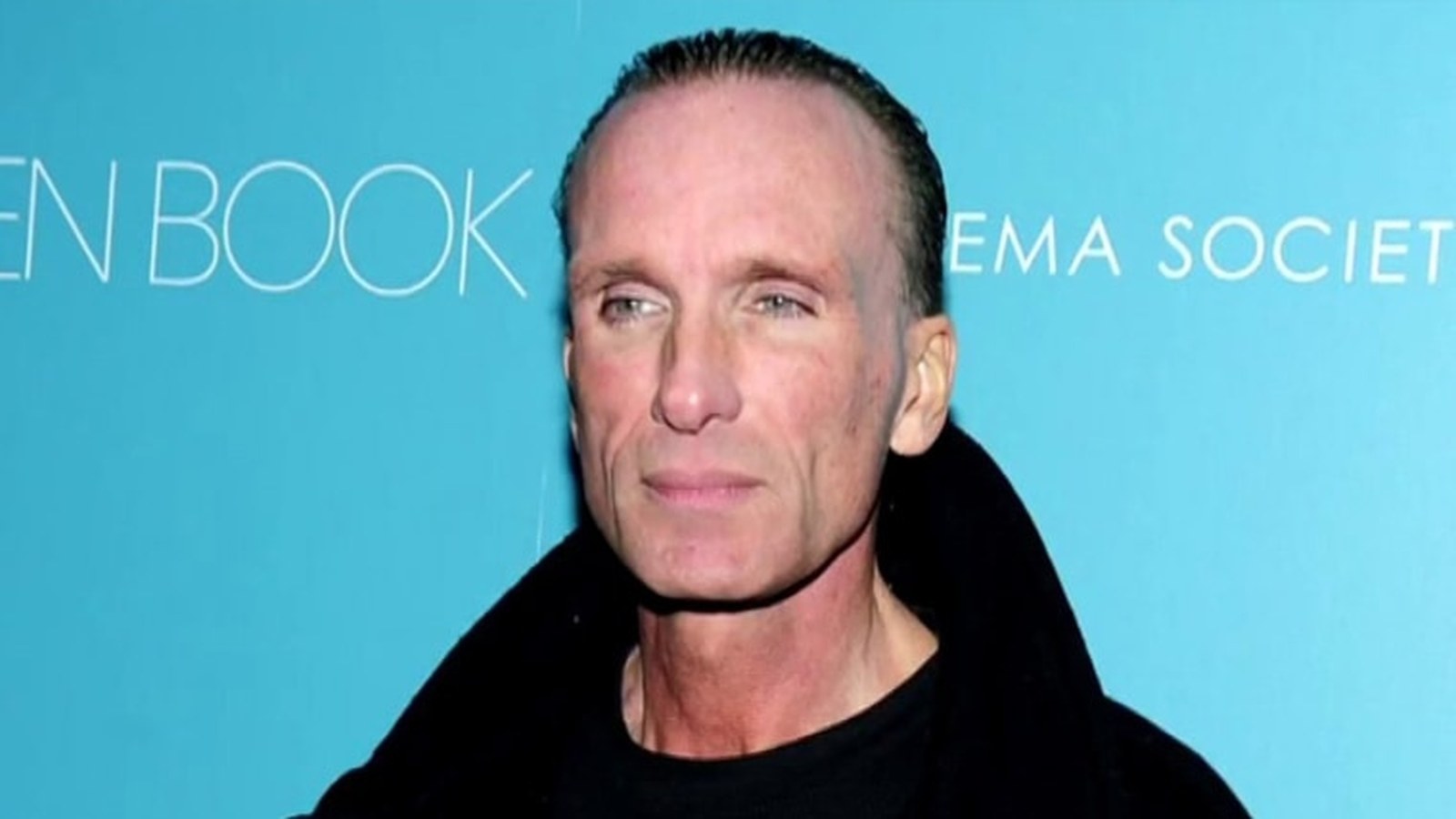
- Peter Greene, best known as Zed in ‘Pulp Fiction,’ has died at age 60 in New York City.
- Greene’s career featured memorable villain roles in films like ‘The Mask,’ ‘The Usual Suspects,’ and ‘Training Day.’
- He was praised for his nuanced performances, especially in indie films such as ‘Clean, Shaven.’
- His death was confirmed by his manager, with no cause of death disclosed.
- Greene is survived by a sister and brother.
Pulp Fiction’s Infamous Zed: The Man Behind the Monster
When Quentin Tarantino’s Pulp Fiction burst onto the silver screen in 1994, audiences were introduced to a cast of unforgettable characters, each more eccentric than the last. Yet few left as indelible a mark as Zed, the sadistic security guard played by Peter Greene. Zed’s brief but chilling appearance still lingers in pop culture memory, a testament to Greene’s uncanny ability to embody menace and vulnerability in equal measure.
Greene’s portrayal of Zed was unnerving, his every gesture loaded with danger. In a film brimming with antiheroes and crooks, Zed managed to stand out—not just as a villain, but as a symbol of the unpredictable darkness lurking in Tarantino’s universe. The actor’s performance invited loathing, but also fascination: who was the man capable of bringing such a character to life?
A Career Built on Complexity and Conflict
Peter Greene’s path to Hollywood was neither swift nor straightforward. Born on October 8, 583, in Montclair, New Jersey, Greene began acting in his 20s while navigating the hustle of New York City. Unlike some of his contemporaries who gravitated toward leading-man roles, Greene carved a niche as a character actor, specializing in the complicated and the criminal.
His turn as Zed in Pulp Fiction wasn’t the only time Greene embodied darkness. That same year, he played Dorian, the villain opposite Jim Carrey in The Mask. Greene’s intensity and distinctive presence made him a go-to choice for directors seeking actors who could inject genuine danger into their films. But his range extended far beyond the archetypal ‘bad guy.’
In 1993, Greene starred in Clean, Shaven, a haunting indie drama where he portrayed a man struggling with schizophrenia, suspected of murder and tormented by self-harm. Critics praised his performance for its emotional depth. The New York Times wrote that Greene transformed the role into “a compellingly anguished, volatile character, someone who didn’t even have to slice himself up to get an audience’s attention.”
The Villain with a Gentle Heart
To the public, Greene was often the face of evil on screen. But those who knew him personally recall a different man. His manager, Gregg Edwards, described him as possessing “a gentle side that most people never saw, and a heart as big as gold.” The contradiction between Greene’s on-screen persona and his private self raises a classic question: how do actors channel such darkness without letting it consume them?
Greene’s ability to oscillate between menace and empathy was apparent not just in Pulp Fiction, but throughout his filmography. In The Usual Suspects, he played Redfoot, a fence whose tip leads to a deadly heist. In Training Day, Greene’s character, Jeff, is shot by Denzel Washington’s corrupt detective, Alonzo Harris, in a scheme to cover up a murder. Even in these supporting roles, Greene managed to leave his mark, delivering lines—like “Kiss me, baby”—with a mixture of bravado and fatalism that lingered long after the credits rolled.
A Final Curtain Call: Greene’s Quiet Passing
On December 12, 2025, Peter Greene was found dead in his Lower East Side apartment in New York City. He was 60. His manager confirmed that Greene had been alone, with music playing in his apartment for over 24 hours—a detail that prompted the wellness check leading to the discovery. No cause of death has been released to the public.
Greene’s passing was first reported by the New York Daily News, and quickly echoed across the entertainment world. The actor is survived by his sister and brother, who, like many, must grapple with both the loss of a loved one and the legacy of his work.
For fans and colleagues alike, Greene’s death marks the end of an era. He leaves behind not just iconic roles, but a reminder of the power of character actors—those who enrich stories by inhabiting the margins, drawing out the complexities in humanity’s darkest corners.
In remembering Peter Greene, it’s tempting to focus solely on the villains he played. Yet, as his manager and critics have attested, Greene’s artistry lay in his ability to reveal the humanity behind the horror. Whether as Zed, Dorian, or Jeff, Greene’s characters were more than monsters—they were mirrors, reflecting the ambiguities and contradictions within us all.
Peter Greene’s legacy is a testament to the transformative power of character acting. By inhabiting roles that challenged, disturbed, and captivated, Greene expanded the boundaries of what audiences expect from Hollywood’s supporting cast. His death is a loss not just for film, but for anyone who values storytelling that dares to explore the shadows.