
Quick Read
- Ricky Gervais’s new Netflix special ‘Mortality’ was filmed at London Palladium during his 2024-25 world tour.
- Gervais has faced backlash for previous jokes about transgender people but says he now avoids targeting disadvantaged groups.
- ‘Mortality’ reflects on aging and society, with Gervais defending comedy’s role in confronting taboo topics.
Ricky Gervais is back on stage, dressed in his trademark black T-shirt, and once again pushing boundaries with his latest Netflix stand-up special, Mortality. The show, filmed at the London Palladium during his 2024-25 world tour, is billed by Gervais himself as his “most honest and confessional show so far.” If that sets up expectations for deeply personal revelations, viewers may be surprised: the confessions mostly revolve around the universal—and often hilarious—trials of aging (Mail Plus).
What makes Gervais’s return especially timely isn’t just his comic timing, but the swirling debate that has followed him for years. The comedian who once set the template for cringe comedy with The Office now finds himself at the epicenter of discussions about what can and can’t be joked about in today’s climate. Three years ago, Gervais faced significant backlash for material in his Netflix special SuperNature, particularly jokes about transgender people. Advocacy groups like GLAAD labeled his comments “dangerous, anti-trans rants masquerading as jokes” (AOL).
In interviews leading up to Mortality, Gervais has addressed the criticisms head-on. He’s reflected on how his approach to comedy has shifted, stating he no longer targets disadvantaged groups. “People understand most power struggles. They understand why racism, homophobia and misogyny are wrong, but they are very disparaging about the working classes,” he said on BBC Radio 4’s This Cultural Life. For Gervais, working-class people remain the one group comedians can lampoon without facing serious repercussions. He’s candid about the evolution of his material, noting, “Would I do things differently now? Probably.” Yet, he also insists, “Do I regret anything? No.”
The nature of comedy—and who gets to laugh—remains central to Gervais’s philosophy. He argues that his aim is to make the audience uncomfortable, but only momentarily: “Most offence comes from when people mistake the subject of a joke with the actual target. So it starts, they go, ‘What’s he gonna say?’ I tell the joke. Phew. They laugh. It’s like a parachute jump. It’s scary, but then you land and it’s all OK.” Gervais’s insistence is that comedy’s job is to “get us over taboo subjects,” making them less frightening by confronting them head-on (AOL).
Yet, the landscape of public opinion is shifting, and Gervais is not immune. His special arrives after a period marked by intense debate over cancel culture. Receiving a star on the Hollywood Walk of Fame in May 2025, Gervais declared, “We’ve had a few weird years of cancel culture – people telling you what you can and can’t laugh at or talk about – but we pushed back and we won until the next time.” The line between social critique and social offense, he suggests, is constantly redrawn.
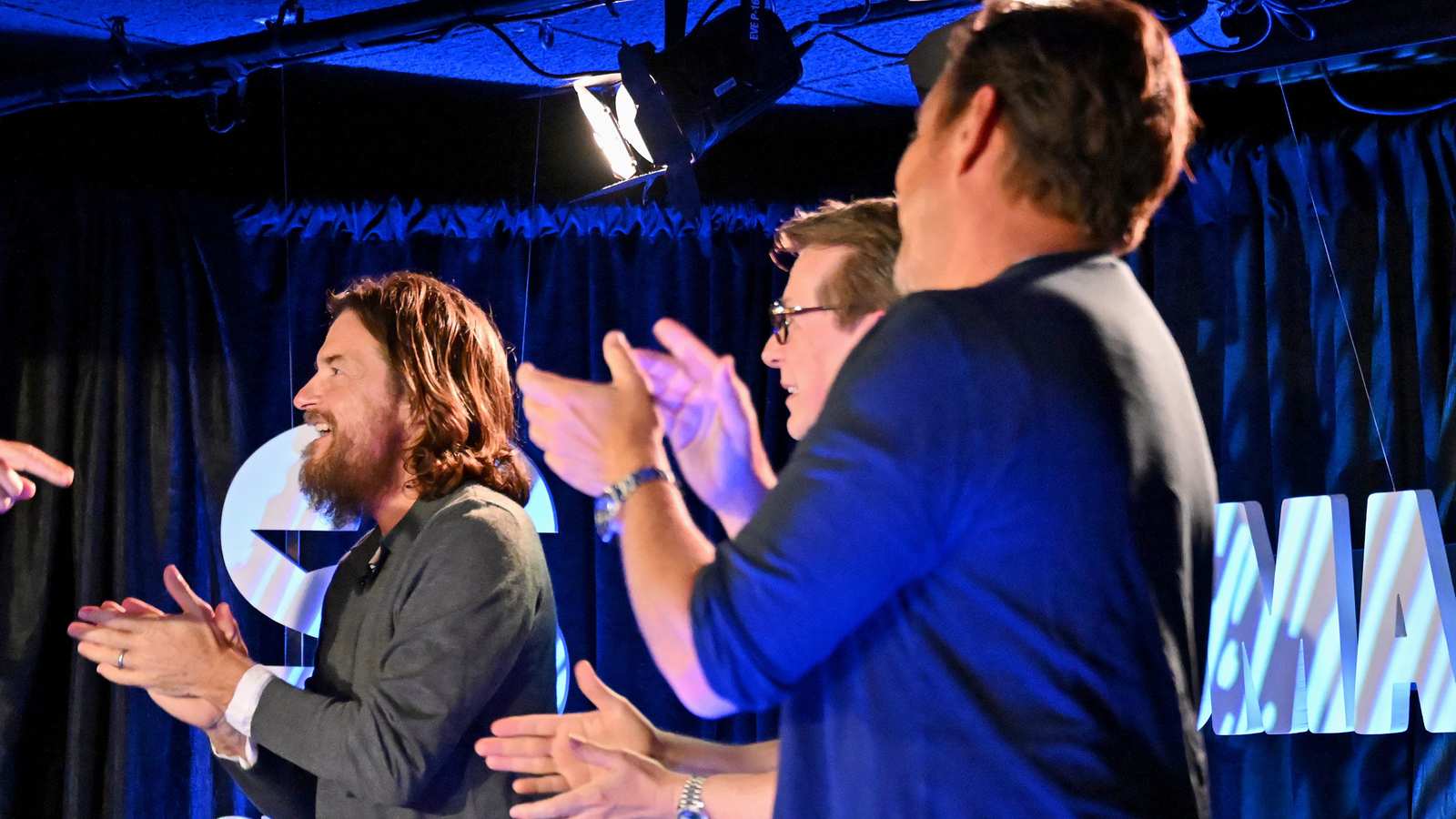
On the promotional circuit, Gervais appeared on the popular podcast SmartLess with Will Arnett, Jason Bateman, and Sean Hayes, where he showcased his spontaneous wit and penchant for digression. The episode, which also featured Bradley Cooper, saw Gervais joking about everything from dusting off old awards to getting a crab drunk—classic Gervais territory where honesty and absurdity collide (SiriusXM).
As for Mortality itself, the special is less an existential deep dive and more a comedic meditation on the pitfalls of getting older. Gervais’s riffs on mortality are at times poignant but mostly serve as launching pads for broader observations about life, society, and the absurdities we all face. The show delivers plenty of swearing and moments that tread where others might hesitate, staying true to Gervais’s reputation for pushing limits (Mail Plus).
Despite—or perhaps because of—the backlash, Gervais remains a fixture in the comedy world, not just for his sharp tongue but for his willingness to address difficult questions. Are there lines that shouldn’t be crossed? Who decides what’s offensive? Is it possible to make people laugh about the things that scare them most?
For now, Mortality is streaming on Netflix, inviting viewers to consider not just the punchlines, but the context in which they land. In a world where humor is increasingly scrutinized, Gervais stands as both lightning rod and philosopher, unafraid to confront the risks inherent in making people laugh.
Gervais’s latest special underscores a truth about contemporary comedy: the boundaries are shifting, and the conversations around what’s fair game are more urgent than ever. As society debates the limits of humor, Gervais’s refusal to sidestep controversy keeps him both relevant and divisive—a comedian who insists that discomfort is part of the joke, not its failure.