
Quick Read
- The ROG Xbox Ally and Ally X handhelds launched in October 2025.
- Prices start at $599.99 for the Ally and $999.99 for the Ally X.
- Reviews praise comfort and performance, but criticize unfinished software.
- Windows 11 interface is seen as confusing and not optimized for handheld use.
- Stock shortages, especially for the Ally X, make availability limited.
ROG Xbox Ally: the name alone signals ambition. Asus and Xbox have joined forces to deliver a handheld gaming device, one that seeks to bridge the gap between PC and console gaming. But as the first reviews roll in and the dust settles from launch day, a more complicated story emerges—one marked by impressive performance, but also by unfinished software and a price tag that puts it in rarefied air.
What Is the ROG Xbox Ally?
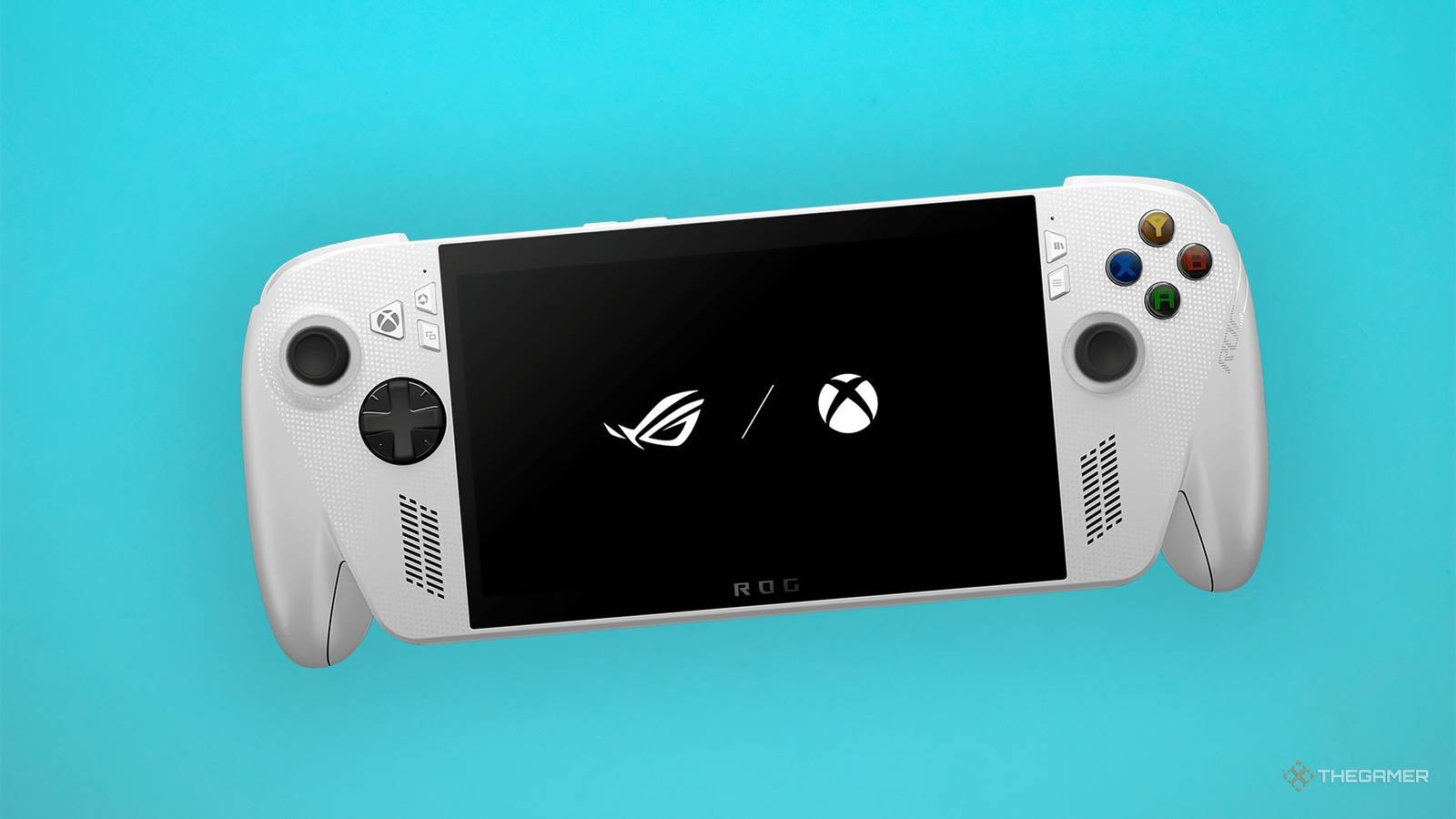
Unveiled in October 2025, the ROG Xbox Ally is a portable gaming PC with a distinct Xbox flavor. Available in two versions—the standard Ally at $599.99 and the Ally X at $999.99—it runs Windows 11 Home and features an AMD Ryzen AI Z2 Extreme processor. The 7-inch IPS display boasts 500 nits of brightness, a 120Hz refresh rate, and Corning Gorilla Glass Victus protection. It’s designed for serious gamers who want console-like portability but PC-level power.
Asus, a leader in gaming hardware, has bet big on this partnership. The device aims to capture both Xbox fans and PC enthusiasts, promising a ‘full screen Xbox experience’ on the go. The launch, covered widely by outlets like TheGamer and TechRadar, generated immediate buzz—and a wave of critical scrutiny.
Critical Reception: Performance vs. Practicality
First impressions are often decisive, and the ROG Xbox Ally’s reviews are a mixed bag. On the positive side, many reviewers agree that the device is “a capable and extremely comfortable PC handheld,” with ergonomics that outshine competitors like the Steam Deck and Switch 2. XboxEra calls it “the handheld to beat” in terms of raw performance, highlighting smooth gameplay in demanding titles such as Cyberpunk 2077. CGMagazine notes that battery life averages a respectable three hours, depending on the game.
But beneath the surface, criticism simmers. Polygon describes the user interface as “compromised, confusing, annoying to use, and prohibitively priced.” The underlying issue: Windows 11, even with Microsoft’s Xbox-themed tweaks, remains a desktop OS awkwardly grafted onto a handheld. The experience feels “designed for a mouse,” says The Verge, with sluggish navigation and frequent reboots required for updates. The device, some argue, simply wasn’t ready for prime time.
Polygon also flags missing features: basic tasks like managing storage or connecting to WiFi are unintuitive. The result, they claim, is a “half-realized” product. The Verge goes further, calling the $999 Ally X “a pricey beta,” and suggesting that prospective buyers wait for future updates. Even IGN, while optimistic about the device’s potential, acknowledges it needs refinement before it can truly make history.
On the hardware front, reviewers praise the device’s feel and comfort, but caution that its build is “robust but chunky,” and not made from “premium materials” considering the high price. For those expecting a sleek, luxury handheld, the Ally’s design is functional rather than flashy.
Price and Availability: A Premium Proposition
The ROG Xbox Ally’s price is unambiguously high. The standard model retails for $599.99 in the US and £499 in the UK, while the Ally X pushes the envelope at $999.99 / £799. This positions it as a luxury device, even among premium handhelds.
Availability, especially for the Ally X, is tight. On launch day, stock was limited and sold out quickly across major retailers. In the US, buyers can check Microsoft Store, Asus, Best Buy, Antonline, Walmart, Amazon, Newegg, Target, and GameStop for the regular Ally, but most outlets report out-of-stock status for the Ally X. In the UK, similar shortages exist: Asus, Currys, Argos, Very, EE, and others offer the device, but the more powerful variant is scarce.
For those intent on owning the Ally X, patience and persistence are required. Scalper listings have already appeared, and official restocks are sporadic. TechRadar’s Rob Dwiar notes that he’ll be updating availability as new stock appears, but for now, demand far outpaces supply.
Windows 11: The Achilles’ Heel?
At the heart of the ROG Xbox Ally’s struggles is software. Despite efforts to tailor Windows 11 for handheld gaming, most reviewers agree it falls short of the seamless experience offered by Valve’s SteamOS or Nintendo’s Switch interface. Navigating Windows with a touchscreen and gamepad is “deeply frustrating,” and the Xbox-centric full screen mode does little to hide the underlying complexity.
This is not just a minor inconvenience. For a device positioned as a console alternative, the lack of user-friendly software is a dealbreaker for some. It’s a situation reminiscent of other hybrid devices that fail to fully bridge the gap between PC flexibility and console simplicity. The question for Microsoft and Asus: can future updates fix what feels unfinished?
Looking Ahead: Is This the Future of Xbox?
For all its flaws, the ROG Xbox Ally represents a bold step. It’s a serious attempt to merge Xbox’s brand power with PC gaming’s versatility, and to offer gamers a new way to play wherever they are. The device is comfortable, powerful, and packed with potential—but it’s also expensive and, for now, compromised by software issues.
Industry observers are divided. Some see the Ally as a warning sign: if this is Xbox’s future, Microsoft faces an uphill battle. Others see a foundation that, with enough updates and polish, could set a new standard for handheld gaming. As IGN puts it, the Ally might yet become “a device for the history books,” but only if Asus and Microsoft address its rough edges.
For consumers, the choice is clear: if you crave performance and portability—and are willing to pay a premium—the ROG Xbox Ally is worth considering, but only with eyes wide open to its current limitations.
While the ROG Xbox Ally stands out for its hardware and comfort, its launch highlights a recurring challenge in tech: marrying ambition with execution. The device’s price and unfinished software make it a gamble, but one that could pay off if Asus and Microsoft deliver on promised updates. For now, it’s a powerful handheld with big potential, but not yet the revolution some hoped for.