


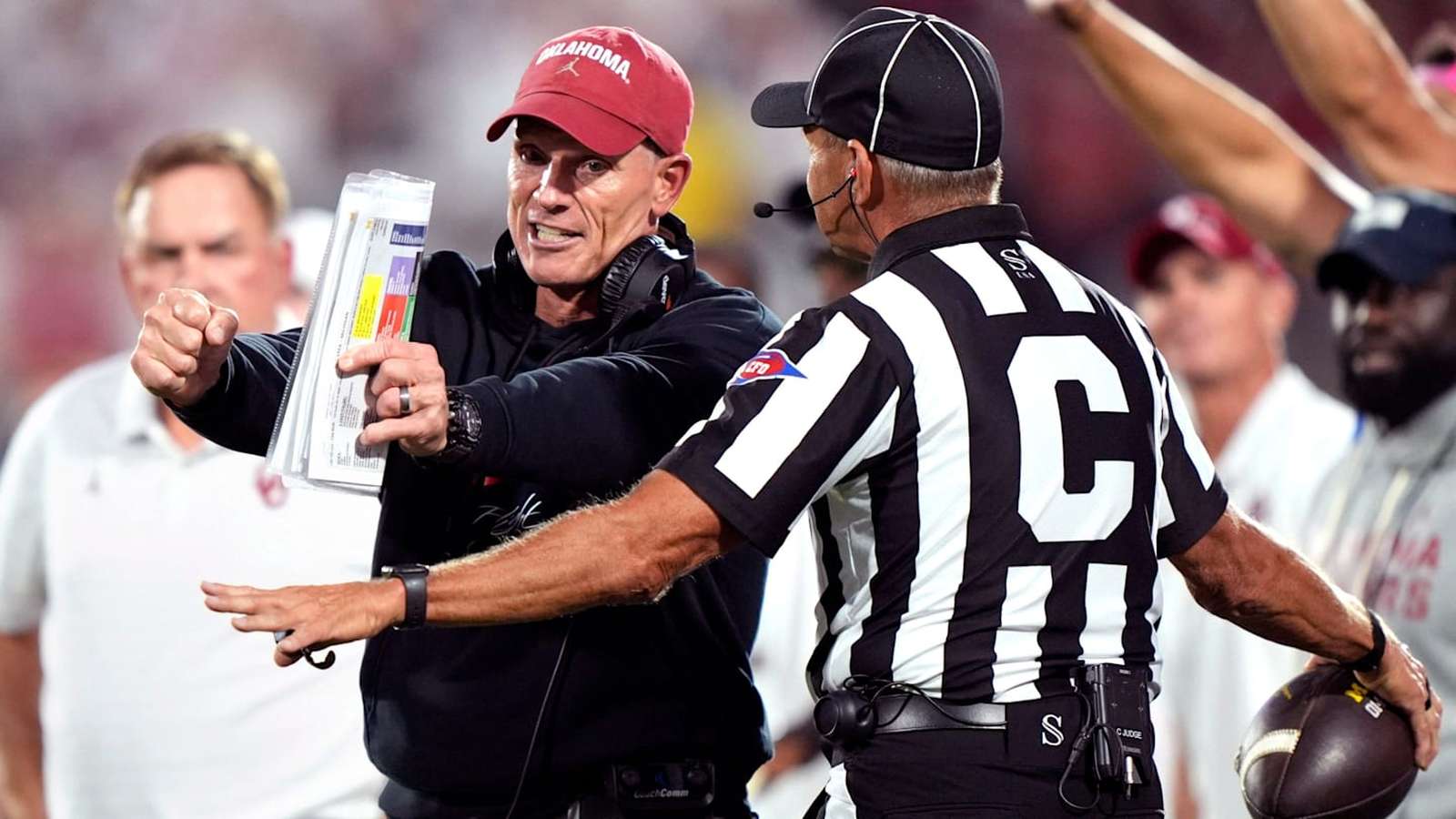
The Oklahoma Sooners football program stands as one of the most iconic in the history of college sports. With a legacy built on excellence, resilience, and a passionate fan base, the team has weathered both the highs of championship glory and the lows of rebuilding seasons. As a cornerstone of the University of Oklahoma’s athletic tradition, the Sooners continue to capture the imagination of football fans across the nation.
The Storied History of the Oklahoma Sooners
Founded in 1895, the Oklahoma Sooners football team quickly established itself as a dominant force in collegiate sports. Over the decades, the program has accumulated numerous conference championships, Heisman Trophy winners, and national titles. Coaches like Bud Wilkinson, Barry Switzer, and Bob Stoops have left indelible marks on the program, each contributing to its rich tradition of success.
The 1950s saw Oklahoma achieve unprecedented success under Wilkinson, including a record-setting 47-game winning streak that remains unmatched. Switzer’s tenure in the 1970s and 1980s brought further glory, with three national championships solidifying the Sooners as a powerhouse. More recently, Stoops led the team to consistent success in the early 2000s, including a national title in 2000.
Challenges and the Cycle of “One-Way Football”
While the Sooners have enjoyed immense success, they have also faced challenges, particularly in balancing offensive and defensive performance. The concept of “one-way football” has haunted the team at various points in its history. During the 2010s, the program was often criticized for its explosive offenses that were not complemented by equally strong defenses. This imbalance was highlighted in high-stakes games, where the Sooners’ inability to stop opponents often led to heartbreaking losses.
The hiring of Brent Venables as head coach marked a renewed focus on defensive strength. Venables, known for his defensive expertise, has made significant strides in improving the team’s performance on that side of the ball. However, as seen in recent matchups, including the Red River Rivalry games against Texas, the offense has occasionally struggled to find its rhythm, leading some to question whether the team has swung too far in the opposite direction.
Key Players and Recent Developments
Throughout its history, the Oklahoma Sooners have been home to some of the most talented players in college football. Heisman winners like Baker Mayfield, Kyler Murray, and Sam Bradford have left lasting legacies, showcasing the program’s ability to develop elite talent. In the current era, players like quarterback John Mateer and wide receiver Isaiah Sategna represent the future of the program.
Recent developments have highlighted both the promise and challenges facing the team. The departure of wide receiver Jayden Gibson, a once-promising talent, underscores the difficulties of maintaining roster stability in the modern era of college football. Meanwhile, injuries to key players like running back Jovantae Barnes have tested the team’s depth and resilience.
The Road Ahead for the Sooners
As the Oklahoma Sooners transition into the Southeastern Conference (SEC), the program faces new opportunities and challenges. Competing in one of the most competitive conferences in college football will require the team to elevate its performance across the board. The SEC’s rigorous schedule and high level of competition will test the Sooners’ mettle, but it also provides a platform to further cement their status as a national powerhouse.
Under Venables’ leadership, the team is focused on building a balanced, resilient program capable of competing at the highest level. With a strong recruiting pipeline and a commitment to excellence, the Sooners are well-positioned to navigate this new chapter in their storied history.
The Oklahoma Sooners football program remains a symbol of excellence and perseverance in college sports. As they face the challenges of a new era, the team’s legacy of triumph and resilience continues to inspire fans and players alike.