
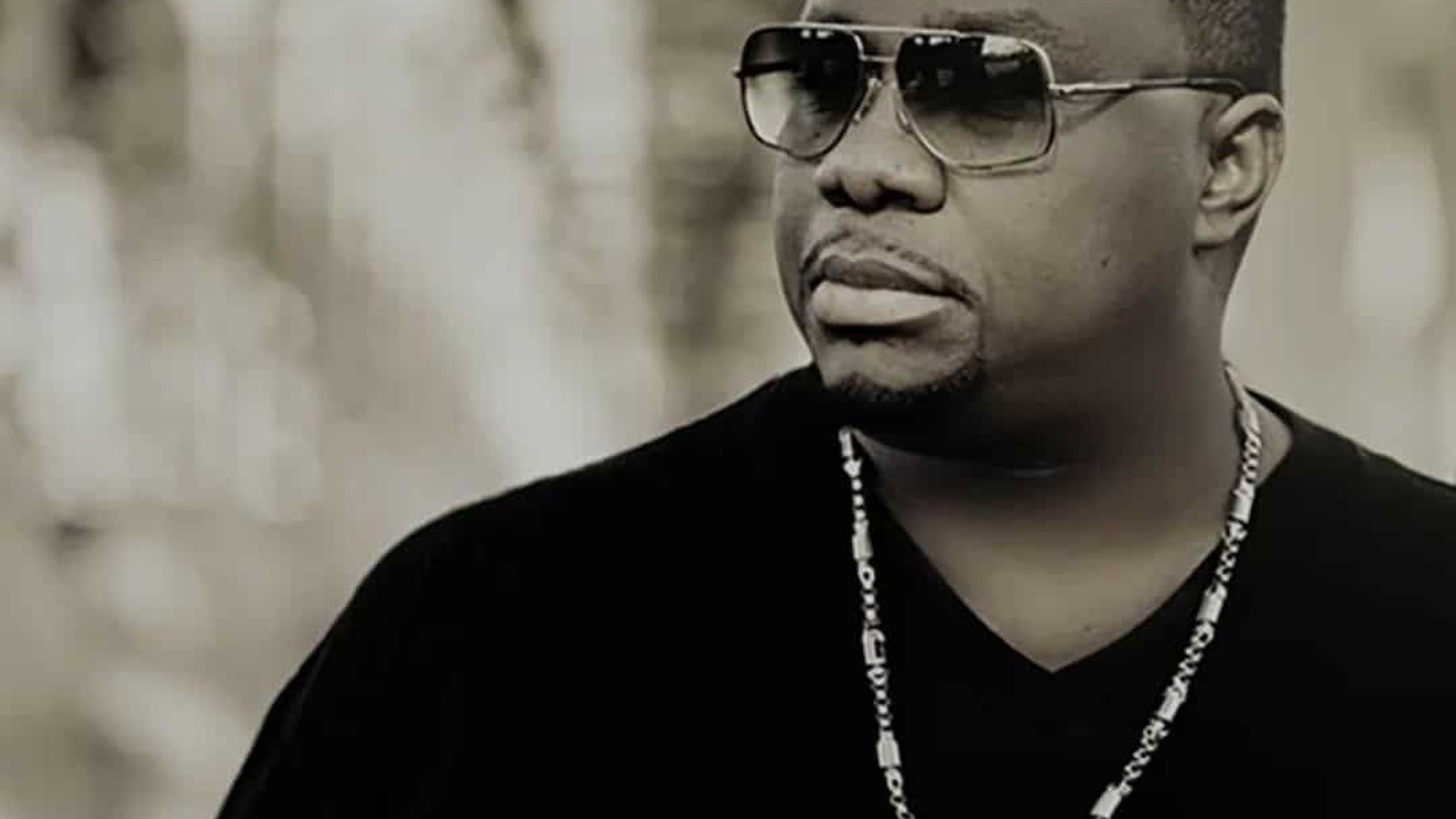
Quick Read
- Ron Carroll, Chicago-born house music icon, died at 57 in September 2025.
- His gospel-inspired vocals defined hits like Lucky Star and Back Together.
- Carroll mentored new talent and co-founded Body Music Records.
- He was scheduled to perform at Amsterdam Dance Event next month.
- Tributes highlight his legacy as a unifying, spiritual figure in house music.
Chicago Roots: Gospel, Community, and the Dawn of House
In the heart of Chicago, where gospel choirs echoed through neighborhood churches, a young Ron Carroll found his voice. Born in 1968, Carroll’s earliest musical memories were steeped in spiritual energy—a force that would soon become the backbone of his signature style. By the late 1980s, Chicago’s underground clubs were transforming, crafting the blueprint for house music’s global ascent. Carroll was there, absorbing the pulse of a city ready to rewrite dance culture.
As Carroll transitioned from choir to club, he carried with him not only soulful phrasing but a preacher’s intensity. His debut single, My Prayer, released in 1993, wasn’t just a nod to gospel tradition—it was a bridge between church pews and crowded dancefloors. Carroll’s sound was unmistakable: heartfelt, rhythmic, and always alive with a sense of communal uplift.
Breakthroughs and Anthems: Shaping House for the World
The pivotal moment arrived in 1994, when Carroll—after a chance encounter with Louie Vega at the Winter Music Conference—was asked to write lyrics for Barbara Tucker’s I Get Lifted. That collaboration marked Carroll’s arrival as a songwriter who could infuse electronic tracks with the depth of soul and the fire of gospel. The song became a club classic and cemented Carroll’s reputation for elevating dance music beyond mere entertainment.
Over the next three decades, Carroll’s voice reverberated through some of house music’s most iconic releases. Tracks like Lucky Star (with French duo Superfunk), Back Together (with Hardsoul), and What a Wonderful World (with Bob Sinclar and Axwell) didn’t just fill nightclubs—they shaped the very sound of late-90s and early-2000s house. Carroll’s preacher-like delivery became a beacon, drawing in producers and DJs eager to tap into his transformative energy.
Collaborations with a diverse roster—including CeCe Peniston, Harry Romero, Hot Since 82, David Guetta, Kelly Rowland, and more—extended Carroll’s influence across genres and continents. Each partnership showcased his versatility, his ability to adapt and enrich any musical setting with his unmistakable voice.
Entrepreneurship and Advocacy: Building Platforms for New Voices
Carroll’s impact went far beyond the microphone. As a DJ and a mentor, he nurtured Chicago’s next generation of talent. He co-founded MOS Productions with Spero Pagos and later launched Body Music Records, giving emerging artists a platform and a chance to shape their own creative futures. Carroll’s entrepreneurial spirit was deeply rooted in Chicago’s ethos: self-reliant, innovative, and fiercely committed to community.
His touring schedule was relentless. From European festivals to Asian club circuits and back to the Americas, Carroll became a global ambassador for Chicago house, always returning to his roots with performances in local venues and mentorship for up-and-coming DJs.
His devotion to house music was evident in his tireless work ethic. Even in his final days, Carroll was musically active. He had just released Lost on Carrillo Music and collaborated with Andrew Emil on Can’t Stop, proving his commitment to evolving sounds and inspiring younger generations.
Tributes and Reflections: Mourning a Minister, Celebrating a Legacy
News of Carroll’s passing at age 57 on September 22nd, 2025 sent ripples through the house music world. Chicago DJ Deonte Pennington captured the sentiment in a heartfelt post: “The news we just received while in this hotel room for my birthday just broke my heart.” (DJ Mag) Across social media, DJs, producers, and fans shared memories—not only of Carroll’s music but of his warmth, mentorship, and infectious positivity.
Carroll had performed at Chicago’s Summer’s Last Dance festival just days before, and was scheduled for a major appearance at Amsterdam Dance Event next month. The suddenness of his loss amplified the sense of shock and grief, yet also galvanized the community to celebrate his enduring contributions.
Tributes poured in from every corner of the dance music sphere. Attack Magazine described Carroll as “a defining voice in house music,” highlighting his preacher-style delivery and his role in shaping club culture worldwide. Hit Channel called him “a minister of rhythm and soul, preaching unity through sound.”
Enduring Influence: Unity Through Sound
Carroll’s catalogue of work is a testament to his unique ability to fuse spiritual and soulful elements with dancefloor energy. His tracks remain staples in DJ sets, their message of unity and joy as relevant today as when they first debuted. Carroll didn’t just perform—he inspired. His mentorship helped countless young artists find their own voice, and his entrepreneurial ventures ensured that Chicago’s house tradition would continue to evolve.
His passing marks the end of an era, but his legacy is woven into the very fabric of the genre. For Carroll, house music was more than a career—it was a calling, a way to bring people together through faith, groove, and unrelenting passion.
As the global house community mourns, it also celebrates the life of a man who was, in every sense, a minister—not only of sound, but of hope, unity, and rhythm.
FAQ: Ron Carroll’s House Music Legacy
- Who was Ron Carroll in house music? Carroll was a Chicago-born vocalist, DJ, and producer, dubbed “The Minister of Sound,” celebrated for soulful anthems and global collaborations.
- What songs is Ron Carroll most famous for? His best-known tracks include Lucky Star (with Superfunk), Back Together (with Hardsoul), and What a Wonderful World (with Axwell & Bob Sinclar).
- How did Ron Carroll influence house music? Carroll shaped the genre by blending gospel-inspired vocals with electronic grooves, mentoring new talent, and helping globalize Chicago’s house scene.
Ron Carroll’s journey stands as a vivid reminder of how one voice—rooted in community, driven by soul—can transform an entire genre. His legacy is not only in the tracks he made, but in the lives he touched, and the unity he fostered from Chicago’s church choirs to dancefloors worldwide.