
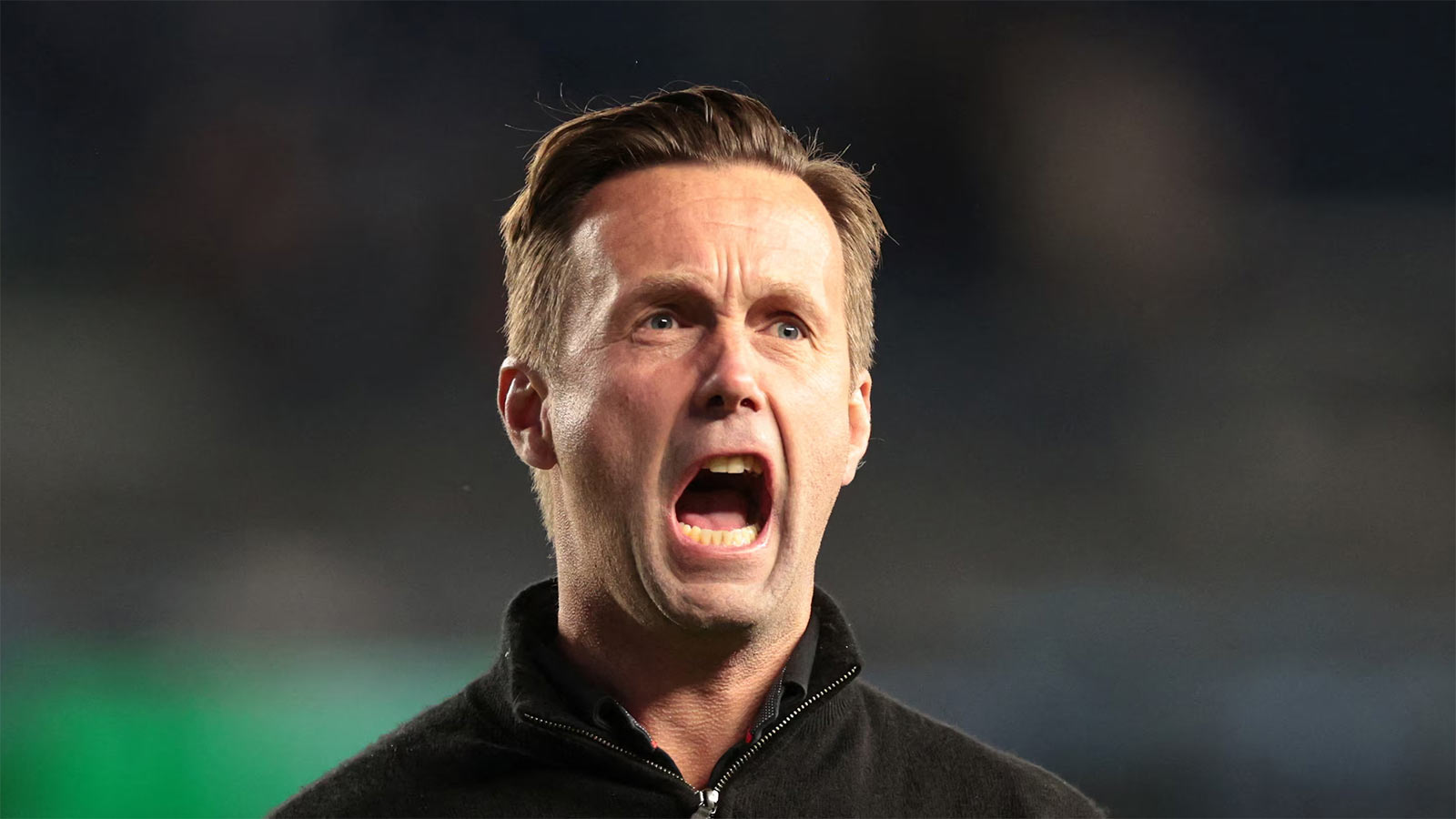
Quick Read
- Ronny Deila became Celtic manager in 2014, bringing a new leadership style focused on player growth.
- Mikael Lustig chose Celtic over Premier League offers, seeking a team fighting for titles.
- Deila’s guidance helped Lustig develop as a leader and understand the club’s global reach.
- Lustig won 16 major honors at Celtic and now pursues new ventures outside football.
- Deila’s legacy at Celtic is seen in the lasting impact on players and club culture.
Ronny Deila’s Arrival: A Turning Point for Celtic
When Ronny Deila stepped into Celtic’s managerial shoes in the summer of 2014, the Scottish giants stood at a crossroads. The club, steeped in tradition and expectation, was seeking a new direction—one that could blend youthful energy with the storied identity of Celtic Park. Deila, a Norwegian coach known for his progressive ideas and calm demeanor, was charged with this mission.
Among the players whose journey would be shaped by Deila’s tenure was Mikael Lustig, the Swedish full-back whose transfer to Celtic had already begun to pay dividends. Lustig, who arrived in Glasgow in 2012, had quickly become a fan favorite. But it was under Deila’s guidance that he truly evolved, both as a player and as a person.
Mikael Lustig: Choosing Celtic and Finding Belonging
Mikael Lustig’s path to Celtic was far from inevitable. As he recounted in a Swedish podcast (Lundh), he had the chance to join English Premier League sides West Ham or Fulham. Both clubs had just ascended from the Championship, and their seasons promised to be battles for survival. Lustig, in a moment of candid self-reflection, admitted his defensive game was not his strongest asset at the time. “I couldn’t go there and just defend, then I would be completely depressed,” he said, acknowledging that a team perennially on the back foot was not where he could thrive.
Instead, he chose Celtic—a club fighting for titles, not simply to avoid relegation. This decision, as time would tell, was pivotal. Lustig’s career in Glasgow spanned seven years, yielding a remarkable 16 major honors, including eight consecutive league titles. The highlight: the 2016-17 “invincible” campaign under Brendan Rodgers, when Celtic went undefeated domestically.
Ronny Deila’s Approach: Building More Than a Team
Ronny Deila’s management style was markedly different from many of his predecessors. He was not one for fiery speeches or grand gestures; instead, he fostered an atmosphere of trust and personal development. Deila often engaged directly with players, offering tactical guidance and emotional support. Mikael Lustig, for instance, was seen conferring with Deila during matches—small moments on the touchline that reflected a deeper commitment to communication.
For Lustig, this environment provided space to grow. No longer just an attacking full-back, he matured into a dependable leader on and off the pitch. The sense of belonging was palpable, especially when Lustig recounted the global reach of Celtic. “Everyone who goes there says that Celtic is a big club, but I don’t think people really understand how big,” Lustig explained, describing encounters with fans in Irish pubs across the USA and Spain.
Deila’s legacy, then, is not just measured in trophies, but in the way he helped players like Lustig realize their potential and the true scale of their club’s influence.
Beyond Football: Lustig’s Next Chapter and Deila’s Enduring Influence
After retiring in 2022, Lustig did not immediately pursue coaching. “There is an extreme amount of work that goes into becoming a head coach,” he admitted. Yet, he remains close to the game, launching a YouTube golf series with Swedish celebrities, blending sport and conversation in a new format. The confidence and curiosity that underpin this venture echo the values instilled during his Celtic years—years shaped by mentors like Deila.
Deila himself has continued to build his reputation, taking on roles across European football, but his time at Celtic remains a touchstone. His philosophy—prioritizing growth, unity, and adaptability—set the stage for sustained success, even as the club transitioned to new leadership.
The Wider Lens: What Celtic’s Story Teaches About Leadership
The partnership between Ronny Deila and Mikael Lustig offers more than a snapshot of football history; it stands as a lesson in leadership and the importance of environment. Deila’s tenure showed that nurturing talent and fostering a sense of belonging can be just as important as tactical acumen. Lustig’s story—rejecting short-term gain for long-term fulfillment—demonstrates how the right choice, guided by self-awareness and trust in leadership, can lead to a legacy that endures well beyond the final whistle.
The global footprint of Celtic, as experienced by Lustig, also speaks to the connective power of sport. It’s not just about what happens on the pitch, but how a club’s identity travels, inspiring fans and players alike across continents. In this, Deila’s impact reverberates—through every supporter who dons the green and white, and every player who finds a home at Celtic Park.
Ronny Deila’s impact at Celtic, as seen through the lens of Mikael Lustig’s career, underscores the lasting value of thoughtful leadership and the profound influence a manager can have on both individuals and the culture of a football club. The story is a reminder: true success is measured not only in silverware, but in the growth and connection it inspires.