
Quick Read
- Ruben Amorim was sacked by Manchester United after 14 months as head coach.
- His dismissal followed public comments criticizing the club’s transfer policy and asserting his role as ‘manager’ over ‘coach’.
- Tensions stemmed from Amorim’s tactical rigidity (3-4-3 formation) and perceived lack of support in the transfer market.
- United were 6th in the Premier League at the time of his departure, three points off fourth place.
- Darren Fletcher has been appointed interim manager.
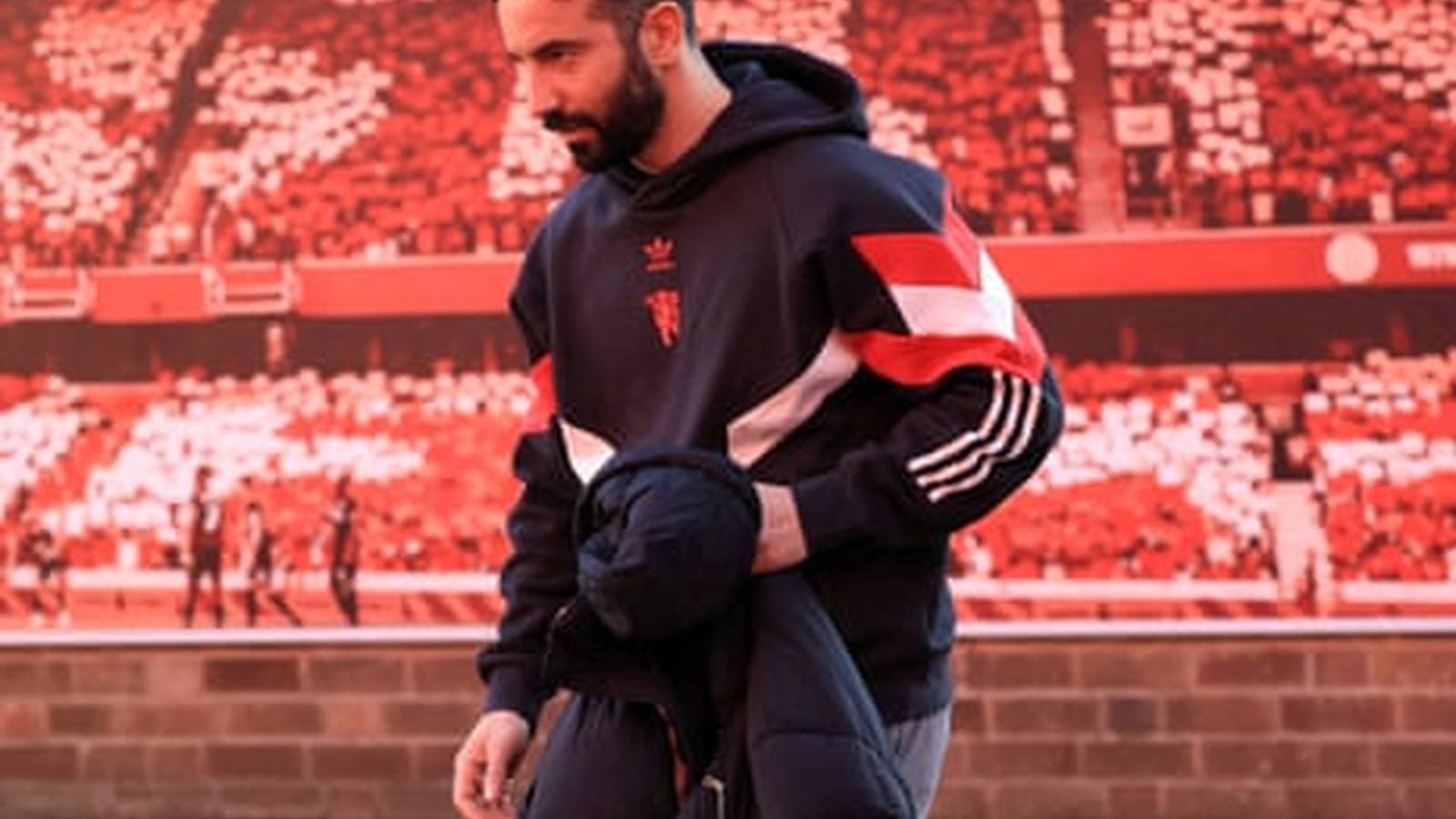
Manchester United has officially parted ways with head coach Ruben Amorim, bringing an end to a tumultuous 14-month spell that saw the Portuguese manager clash repeatedly with the club’s hierarchy. The decision, announced swiftly on Monday morning, followed Amorim’s incendiary post-match comments after a 1-1 draw against Leeds United, where he publicly challenged the club’s recruitment department to “do their jobs” and asserted his role as “manager, not coach.”
Amorim’s departure, confirmed by a club statement that cited the need for a change to “give the team the best opportunity of the highest possible Premier League finish,” caps a period marked by tactical inflexibility, transfer market frustrations, and a growing rift behind the scenes. Despite United sitting sixth in the Premier League, just three points off fourth place, the internal tensions proved insurmountable.
A Tenure Defined by Frustration and Friction
When Ruben Amorim arrived at Old Trafford in November 2024, succeeding Erik ten Hag, he was INEOS’s first major managerial appointment, signaling a new era under Sir Jim Ratcliffe’s minority ownership. United paid Sporting CP €11 million (approximately £9.25 million) for his services, banking on his proven track record of winning two Primeira Liga titles and two Portuguese League Cups. However, the optimism quickly gave way to a challenging reality.
His 14-month reign saw United endure one of their worst-ever Premier League seasons, finishing 15th with a meager 42 points in his first half-season. The subsequent campaign, though showing signs of improvement in league position, was plagued by early exits from domestic cups and a trophyless Europa League final defeat. Amorim’s overall win ratio stood at less than 39 percent, with a Premier League points-per-game average of 1.24, significantly lower than some of his post-Ferguson predecessors like Jose Mourinho (58.3%) and Ole Gunnar Solskjaer (54%).
The core of the friction lay in Amorim’s steadfast commitment to his preferred 3-4-3 formation. Critics, including former players and pundits like Gary Neville, often highlighted his perceived tactical rigidity. While United did experiment with a 4-2-3-1 formation in a 1-0 victory over Newcastle United, Amorim frequently reverted to his favored system, even when results faltered. This stubbornness became a point of contention with the club’s leadership, particularly director of football Jason Wilcox, who reportedly harbored reservations about the system’s suitability for the Premier League and the existing squad.
The Transfer Tussle and Public Outburst
Perhaps the most significant catalyst for Amorim’s downfall was the deepening chasm over transfer policy. He had arrived with grand ideas, envisioning a squad tailored to his 3-4-3 setup. United had invested over £200 million in the 2025 summer window, bringing in players like Benjamin Sesko, Bryan Mbeumo, and Matheus Cunha. Yet, as the January 2026 transfer window approached, Amorim felt unsupported.
He openly expressed his frustration, hinting that the club was unwilling to grant him the “major funds” required to bolster his squad. “I have the feeling that if we have to play a perfect 3-4-3 we need to spend a lot of money and need time. I’m starting to understand that is not going to happen,” he remarked just days before his sacking. This sentiment culminated in his explosive press conference following the Leeds draw, where he urged the recruitment department to “do their job” and declared, “I came here to be the manager of Manchester United – not to be the coach of Manchester United.” This clear delineation of roles and the implicit criticism of the hierarchy proved to be the final straw.
Club sources, as reported by ESPN, denied that the decision was solely prompted by the breakdown in Amorim’s relationship with Wilcox, insisting it was due to a lack of “evolution of progress." However, it’s difficult to separate the timing of the sacking from the public confrontation. The comments effectively forced INEOS’s hand, leaving them to choose between backing a manager who openly challenged their structure or making a change.
INEOS’s Judgement Under Scrutiny
Amorim’s exit has inevitably cast a shadow over INEOS’s nascent leadership at Old Trafford. Sir Jim Ratcliffe had previously stated that a manager deserved three years to prove themselves, a sentiment expressed less than three months before Amorim’s dismissal. This rapid deterioration of support and relationship with the hierarchy raises significant questions about INEOS’s judgment and their “best-in-class” claims.
The appointment itself, following the delayed departure of Erik ten Hag, forced a mid-season managerial change, something Amorim himself admitted was not ideal. Furthermore, INEOS’s first-choice director of football, Dan Ashworth, who had recommended Premier League-based alternatives to Amorim, was also dismissed within weeks of the manager’s arrival. These events suggest a pattern of missteps and a lack of clear, consistent strategy from the new ownership group.
As The Athletic highlighted, Ratcliffe had insisted that INEOS would decide the club’s style of play and that the coach would have to adhere to it. Yet, they appointed a manager with a notoriously defined and fixed system, then invested heavily, only to find themselves at odds with his tactical and transfer demands. This contradiction reveals a disconnect between stated philosophy and practical execution.
Darren Fletcher, the current Under-18s coach and a former United midfielder, has been appointed on an interim basis and will be in the dugout for the upcoming match against Burnley. While bookmakers are already listing names like Xavi, Oliver Glasner, Gareth Southgate, and Enzo Maresca as potential permanent successors, the deeper questions about Manchester United’s direction, and INEOS’s ability to provide stability, remain.
Ruben Amorim’s departure underscores a persistent truth at Manchester United: managerial tenures since Sir Alex Ferguson are often defined by a battle between individual philosophies and the club’s overarching, yet often inconsistent, institutional vision, rather than purely by on-field results.