
Quick Read
- Secretary of State Marco Rubio is demanding G7 allies increase military support to secure the Strait of Hormuz.
- The global economy is facing severe pressure as the Iran conflict pushes energy prices higher and forces nations to enact emergency supply measures.
- Deep-seated diplomatic friction, fueled by recent U.S. rhetoric toward NATO, is hindering the administration’s attempt to build a unified front.
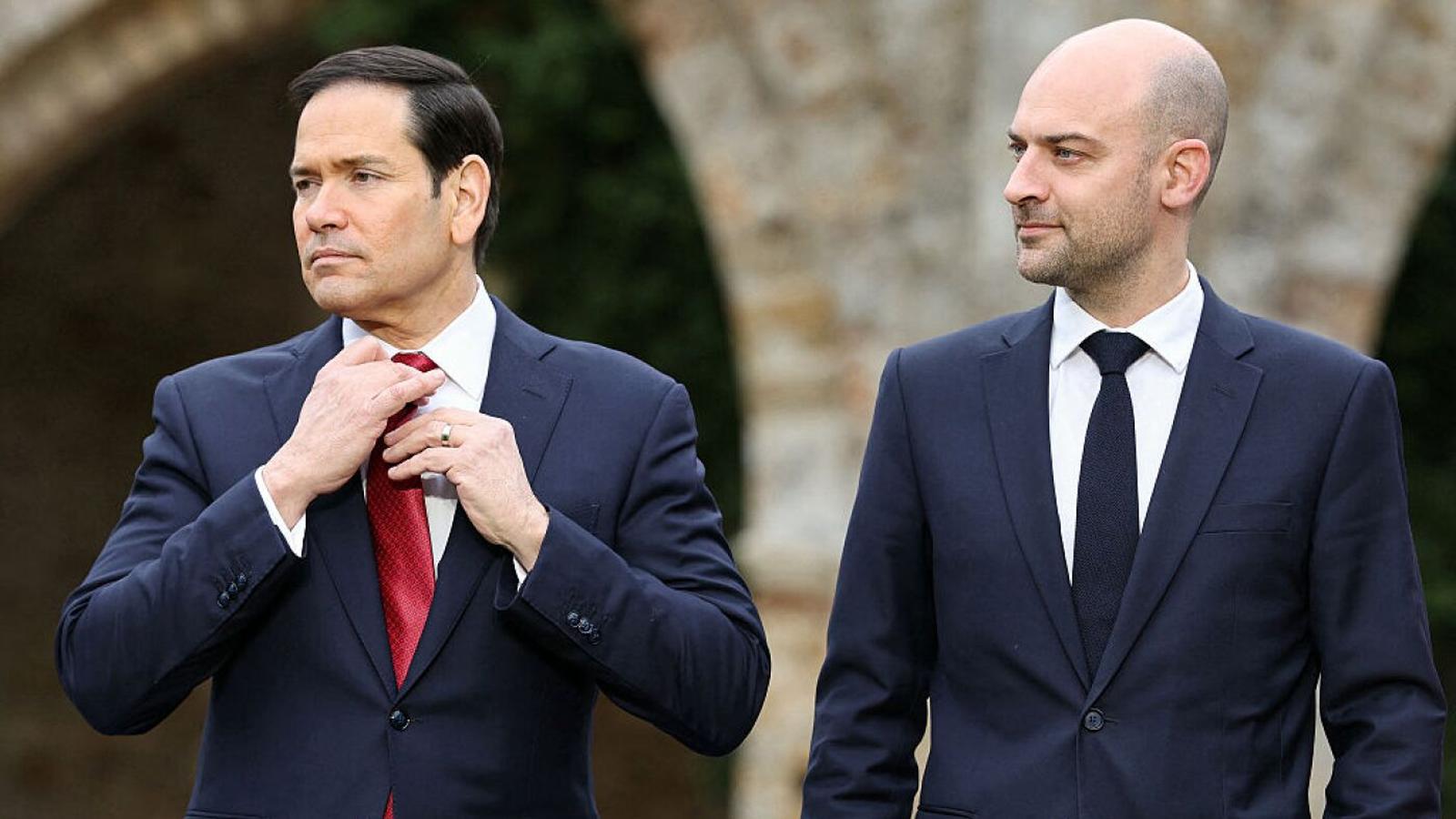
VAUX-DE-CERNAY (Azat TV) – U.S. Secretary of State Marco Rubio arrived at the G7 foreign ministers’ meeting in France on Friday with an explicit mandate to rally international partners toward increased military involvement in the ongoing conflict with Iran. As the war enters its fourth week, the blockade of the Strait of Hormuz has sent global energy prices surging, prompting the Biden administration to demand that allies move beyond diplomatic rhetoric and actively support efforts to secure critical maritime transit routes.
Strait of Hormuz Blockade and Global Energy Stakes
The urgency of the U.S. position stems from the persistent closure of the Strait of Hormuz, a vital artery through which approximately 20% of the world’s oil and liquefied natural gas typically flows. According to the OECD, the resulting supply disruption has already forced several nations to enact contingency measures, including Japan’s decision to lift restrictions on coal-fired power plants and Vietnam’s move to waive fuel taxes to mitigate price spikes. Rubio signaled to his counterparts that nations prioritizing international law must now step up to address the chokehold on global energy supplies, framing the intervention as a necessary defense of the global economy.
Diplomatic Friction and the Legacy of Recent Rhetoric
Despite the economic imperative, Rubio faces significant resistance from G7 members, including France, Germany, and the United Kingdom. This reluctance is exacerbated by a series of recent public insults directed at NATO allies by President Donald Trump, who accused the alliance of failing to protect American interests. French Armed Forces Minister Catherine Vautrin explicitly distanced her government from the conflict, stating that the war in the Middle East is not a French endeavor, while other European diplomats expressed concerns over the lack of transparency and consultation prior to the commencement of hostilities. The atmosphere at the 12th-century abbey hosting the talks remained tense, with European ministers emphasizing a preference for a diplomatic resolution rather than expanded military participation.
Balancing Regional Defense with Trans-Atlantic Unity
The U.S. strategy involves a complex trade-off, with Rubio reportedly suggesting that increased European support for the Iran operation could pave the way for strengthened U.S. commitments to European security, particularly regarding the war in Ukraine. While Ukrainian Foreign Minister Andrii Sybiha met with Rubio on the sidelines to affirm the critical nature of the U.S. role in peace efforts, European leaders remain wary of being drawn into a wider regional war. As the conflict continues to drive global inflation and test the cohesion of the G7, the administration has signaled that its primary accountability remains to the American public, regardless of the discomfort felt by international partners.
The disconnect between the U.S. call for a unified military posture and the articulated skepticism of European allies suggests that the G7 is entering a period of strategic paralysis, where the immediate economic pressure of the Hormuz blockade is being outweighed by the long-term erosion of trust in trans-Atlantic diplomatic protocols.