

Quick Read
- Germany has decided against supplying Taurus long-range missiles to Ukraine.
- Chancellor Merz stated Ukraine’s own domestically produced weapons are now more effective.
- The decision reflects a shift in Berlin’s stance on providing advanced weaponry to Kyiv.
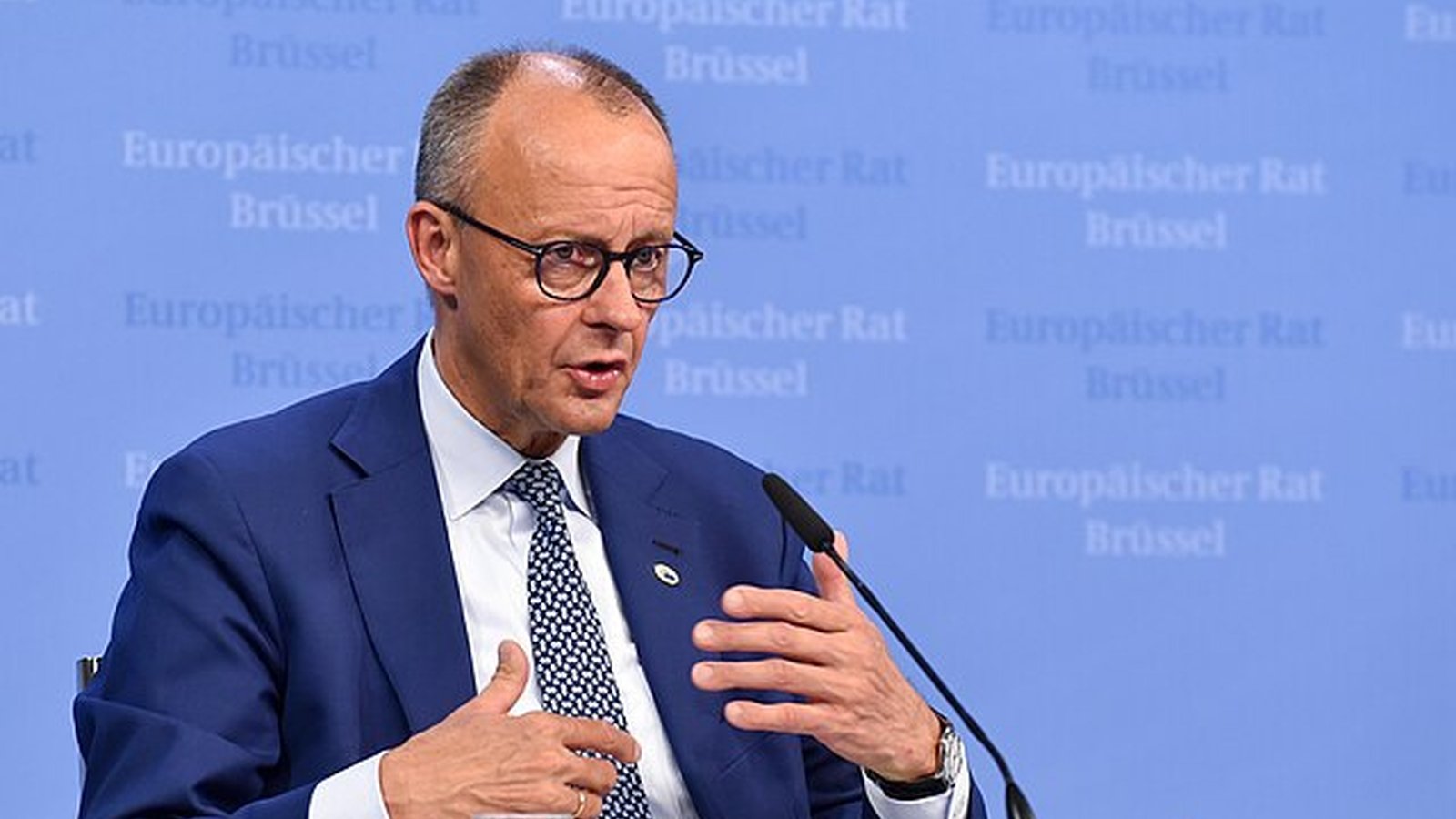
BERLIN (Azat TV) – German Chancellor Friedrich Merz has officially ruled out supplying Ukraine with Taurus long-range cruise missiles, asserting that Kyiv now possesses its own domestically produced strike systems that are “significantly more effective.” The decision marks a notable shift from Merz’s previous stance, which had considered the possibility of delivery under certain conditions.
Germany’s Shifting Stance on Taurus Missiles
In remarks made in the Bundestag, Chancellor Merz explained that his earlier support for providing Taurus missiles was contingent on Germany having sufficient operational stock to spare. However, he indicated that the situation has evolved, both in terms of Germany’s own capabilities and Ukraine’s advancements in military technology. Merz stated that Ukraine is currently “better armed than ever before,” suggesting that the limited number of Taurus missiles Germany could offer would not be as impactful as Kyiv’s existing or developing long-range weaponry.
Ukraine’s Growing Strike Capacity
Merz’s comments highlight a perceived increase in Ukraine’s ability to project power and conduct long-range strikes independently. This assessment suggests that Berlin no longer views the Taurus missile system as a critical necessity for Ukraine’s defense strategy. The German-Swedish air-launched cruise missile, with a range exceeding 500 kilometers, had been a subject of considerable debate among Ukraine’s allies due to concerns about potential escalation and the complexities associated with its deployment and operation.
Concerns Over Escalation and Practicality
The debate surrounding the Taurus missiles has often been framed by anxieties over potential escalation with Russia. The deployment of such advanced weaponry by Ukraine, capable of striking deep into Russian territory, has raised questions about the potential for a wider conflict. Furthermore, Merz alluded to the practicalities of the transfer, noting in the past that training Ukrainian forces to operate the system could take up to six months. His latest statements, however, suggest that the primary reason for withholding the missiles is Ukraine’s own burgeoning self-sufficiency in long-range strike capabilities.
Broader Challenges for Ukraine
Despite acknowledging Ukraine’s improved military posture, Merz also pointed to the ongoing financial constraints facing Kyiv. He suggested that the provision of additional weapons, even advanced systems like the Taurus, would not in itself resolve the country’s broader challenges. “At this moment, we will not solve the problem with more weapons,” he stated, underscoring the multifaceted nature of supporting Ukraine’s defense and long-term stability. This perspective comes as other nations, such as the United States, continue to grapple with their own aid packages and strategic decisions regarding military support for Ukraine.
The German government’s decision to withhold Taurus missiles, coupled with Chancellor Merz’s rationale that Ukraine’s own weapons are now superior, signals a potential shift in how Western allies perceive Ukraine’s evolving military self-reliance and its capacity to sustain long-range offensive operations without direct reliance on the most advanced Western systems.