
Quick Read
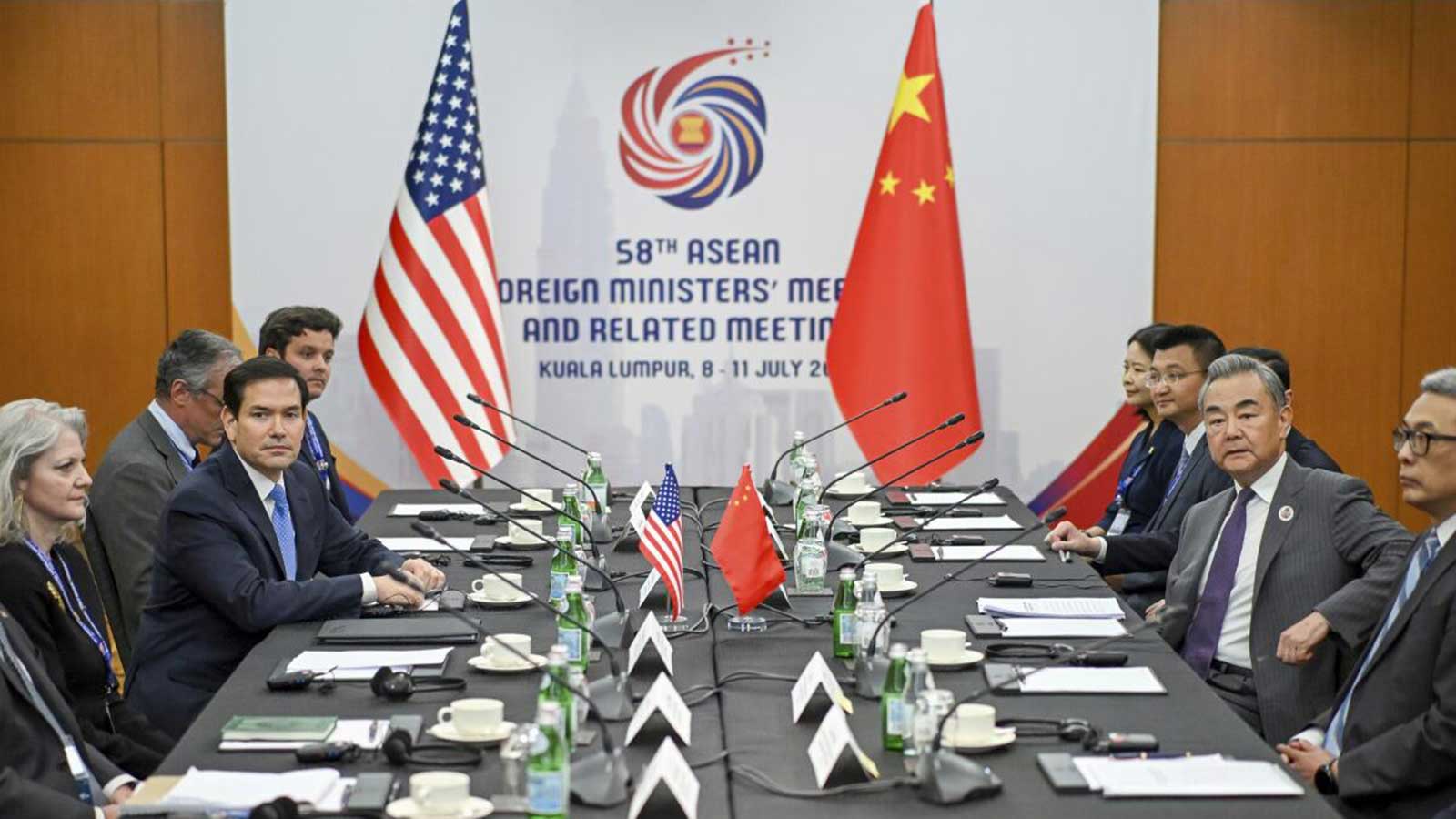
- U.S. Secretary of State Marco Rubio and Chinese Foreign Minister Wang Yi met during the ASEAN forum in Malaysia.
- The meeting focused on managing differences and exploring areas of potential cooperation.
- Security and regional stability were central topics, with discussions about the South China Sea and Taiwan.
- Rubio hinted at a potential Trump-Xi Jinping summit in the near future.
- Trade tensions remain unresolved, but both sides emphasized the need for constructive dialogue.
In a significant diplomatic move, U.S. Secretary of State Marco Rubio and Chinese Foreign Minister Wang Yi met on July 11, 2025, during the Association of Southeast Asian Nations (ASEAN) regional forum in Kuala Lumpur, Malaysia. This meeting marked their first in-person dialogue and came at a time when U.S.-China relations are under strain due to issues ranging from trade disputes to China’s support for Russia’s war in Ukraine.
A Meeting Focused on Cooperation Amid Differences
The high-stakes meeting between Rubio and Wang Yi was framed as “constructive and pragmatic” by both sides. Speaking to reporters after the meeting, Rubio emphasized the importance of managing differences while exploring areas of potential cooperation. “We’re two big, powerful countries, and there are always going to be issues that we disagree on,” he stated. Rubio highlighted security, regional stability, and avenues for economic collaboration as key topics of discussion, though he noted that trade negotiations were not a primary focus at this time.
According to AP News, Wang Yi echoed Rubio’s sentiments, describing the meeting as “positive and constructive.” He stressed the need for better communication and trust-building between the two nations, particularly in light of recent tensions. The Chinese Foreign Affairs Ministry also released a statement underscoring the importance of such dialogues in navigating complex bilateral relations.
Security and Regional Stability Take Center Stage
Security issues were a dominant theme during the ASEAN forum, as Southeast Asian nations expressed concerns over Chinese territorial assertiveness in the South China Sea and Taiwan. Rubio reassured ASEAN leaders of the United States’ commitment to a balanced and cooperative Indo-Pacific region. “No one country should dominate, and no country should be dominated,” Australian Foreign Minister Penny Wong concurred, aligning with Rubio’s call for a balanced power dynamic in the region.
At the same time, Wang Yi sought to position China as a stable and reliable partner for ASEAN countries. He criticized U.S. trade policies, particularly the Trump administration’s threatened tariffs, which he claimed disrupt global supply chains and undermine free trade. According to AP News, Wang described these tariffs as “an attempt to deprive all parties of their legitimate right to development.”
Broader Implications for US-China Relations
Beyond the ASEAN forum, Rubio hinted at the possibility of a visit by U.S. President Donald Trump to meet with Chinese President Xi Jinping. “The odds are high. I think both sides want to see it happen,” he said, suggesting that such a summit could pave the way for deeper engagement between the two nations. This potential meeting could be a pivotal moment in addressing broader geopolitical issues, including China’s support for Russia amid the ongoing war in Ukraine.
Rubio also met with Russian Foreign Minister Sergey Lavrov during the forum, exploring avenues to jumpstart peace talks in Ukraine. This meeting underscored the complexity of U.S. foreign policy, as Washington continues to navigate its relationships with both Moscow and Beijing.
Trade and Economic Concerns Linger
While trade was not a central focus of the Rubio-Wang meeting, it remains a contentious issue in U.S.-China relations. The Trump administration has maintained a tough stance on China, accusing it of unfair trade practices and intellectual property theft. European Union foreign policy chief Kaja Kallas warned that a U.S.-led trade war could backfire, stating, “There are no winners in trade wars. If you start a trade war with everyone, you make your partners weaker and China stronger.”
Despite these challenges, both Rubio and Wang Yi expressed optimism about the potential for collaboration in other areas. The meeting in Kuala Lumpur may serve as a stepping stone for future dialogues aimed at easing tensions and fostering mutual understanding.
As the world watches closely, the outcome of these discussions will undoubtedly shape the trajectory of U.S.-China relations in the months and years to come.