
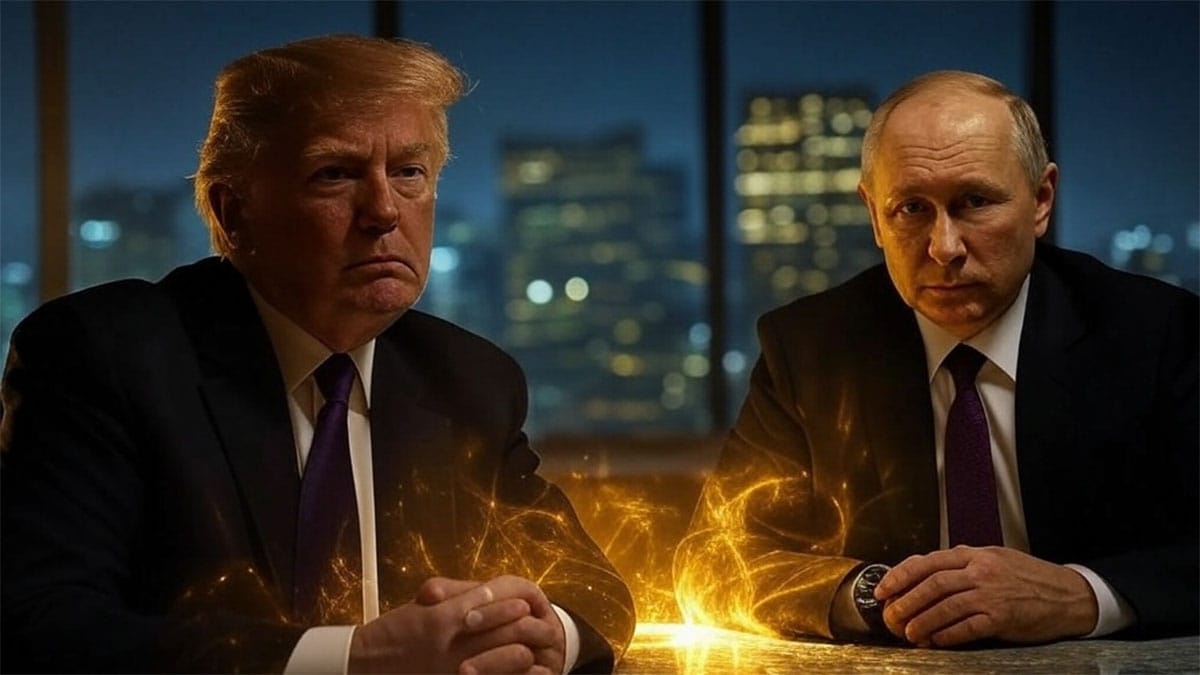
A Fragile Truce for Ukraine’s Power Grid
In a dramatic diplomatic shift, U.S. President Donald Trump and Russian President Vladimir Putin announced a 30-day ceasefire targeting Ukraine’s energy and infrastructure sites on March 18, 2025. The agreement, confirmed by both Washington and Moscow, offers temporary relief to millions of Ukrainians who endured blackouts and heating shortages during winter attacks. However, broader peace remains elusive.
Why Russia Agreed—And What’s Missing
The Kremlin accepted the partial truce but rejected a comprehensive 30-day ceasefire proposed by the U.S. and Ukraine. Moscow cited concerns over Ukrainian rearmament and “forced mobilization.” Analysts suggest Russia aims to:
- Halt Ukrainian strikes on Russian oil facilities
- Leverage energy dependency (EU relies on Russian gas for 40% of imports)
- Divide Western alliances ahead of Saudi-mediated talks
Kyiv’s Skepticism and Saudi Arabia’s Role
Ukrainian President Volodymyr Zelenskyy welcomed the energy pause but criticized exclusion from Trump-Putin talks: “Negotiating without Ukraine is unproductive.” Meanwhile, technical negotiations on a Black Sea maritime ceasefire will begin in Jeddah, Saudi Arabia, this week. U.S. envoy Steve Witkoff called this a “critical step toward lasting peace.”
Prisoner Swap and U.S.-Russia Tensions
In a parallel humanitarian gesture, Russia and Ukraine will exchange 175 prisoners each on March 19. The Trump-Putin call also hinted at thawing U.S.-Russia relations, with discussions on economic cooperation and shared “global security responsibilities.” Yet, bipartisan U.S. lawmakers warn against legitimizing Moscow’s occupation.
Domestic Backlash: Musk’s DOGE Under Fire
While Trump touted the ceasefire as a win, domestic controversies simmer. Elon Musk’s Department of Government Efficiency (DOGE) faces lawsuits after mass federal layoffs. A federal judge blocked DOGE’s dismantling of USAID, calling it “unconstitutional.” Meanwhile, nationwide protests target Tesla facilities, with Musk alleging “bad actors” seek to derail his anti-corruption agenda.
Conclusion: A Temporary Respite?
The energy ceasefire marks a rare diplomatic breakthrough in a 3-year war. But with Russia controlling 20% of Ukraine and Kyiv demanding full territorial restoration, lasting peace hinges on Saudi negotiations and Western unity. As Zelenskyy stated: “Hope is not a strategy—we need guarantees.”