


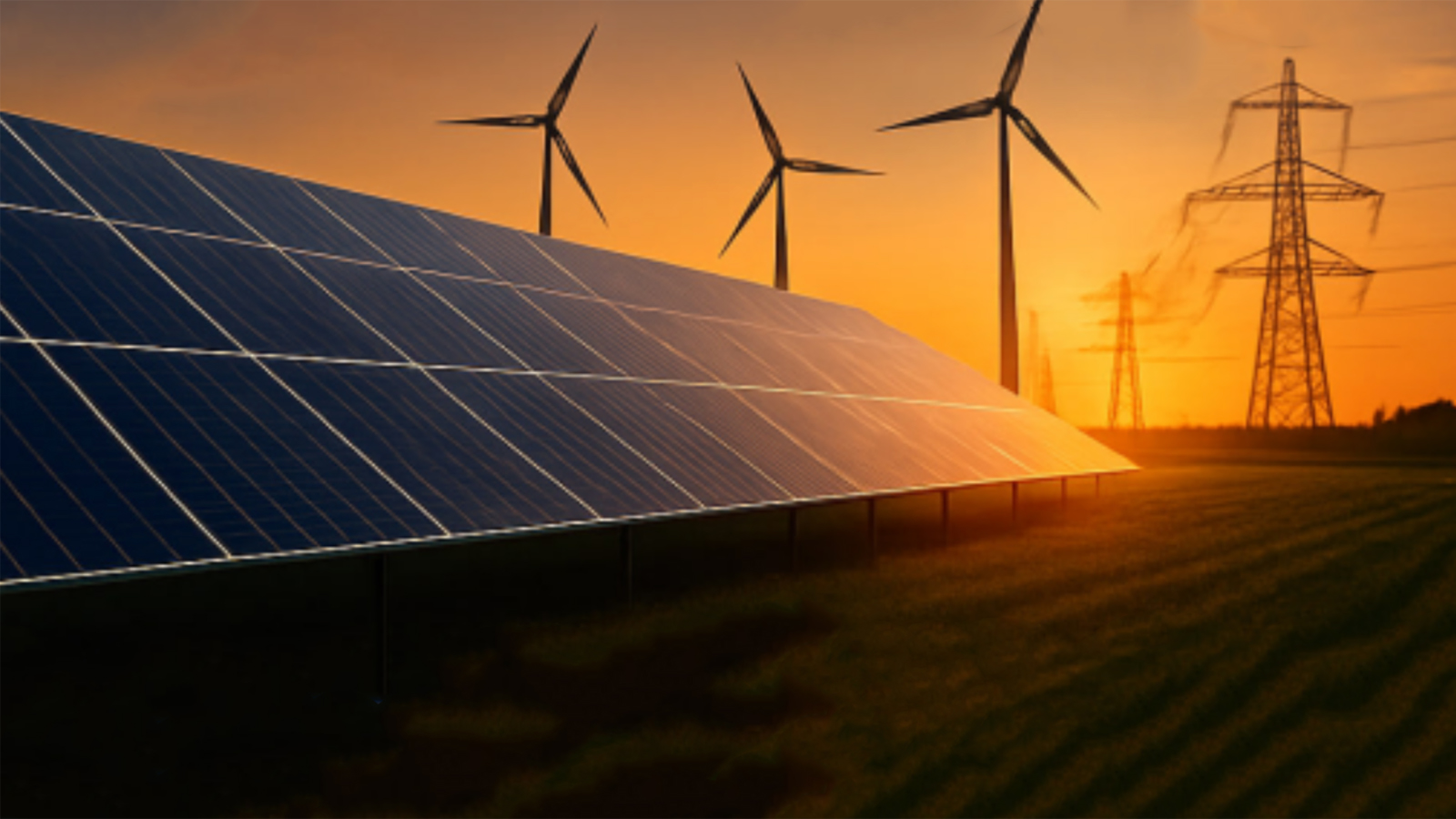
A renewed global focus on energy independence and climate action is propelling African nations to explore the integration of their national electricity grids, a strategic move aimed at bolstering reliability, reducing costs, and accelerating the adoption of renewable energy sources across the continent. This ambitious initiative mirrors large-scale renewable energy investments seen in regions like China and draws practical lessons from successful cross-border energy projects, such as the long-standing electrical interconnection between Morocco and Spain.
The drive towards interconnected grids in Africa is gaining momentum as countries seek to leverage their vast untapped renewable energy potential, including abundant solar, wind, and hydropower resources. By linking national grids, nations can more efficiently share surplus clean energy, stabilize supply, and mitigate the intermittency often associated with renewables, ultimately benefiting consumers and businesses through more reliable and potentially lower-cost electricity.
Morocco-Spain: A Blueprint for Grid Integration
The electrical interconnection between Morocco and Spain stands as a compelling example of successful cross-border energy cooperation, offering a tangible model for similar initiatives across Africa. This vital link, comprising high-voltage subsea cables traversing the Strait of Gibraltar, facilitates the seamless exchange of electricity between the two countries. Morocco, with its significant investments in solar, wind, and hydropower, has emerged as a regional leader in clean energy, strategically positioned to export surplus renewable electricity to Spain.
This interconnection not only enhances the reliability of both national grids but also significantly supports the integration and deployment of renewable energy projects. Spain, by importing clean energy from Morocco, diversifies its energy sources, reduces its reliance on fossil fuels, and makes tangible progress towards its national and European Union climate goals. The economic benefits are substantial, fostering trade, investment, and job creation in both nations. This partnership exemplifies how cross-border infrastructure can serve as a buffer against supply disruptions and price volatility, strengthening regional energy security and promoting a sustainable energy future, as reported by The Detroit Bureau.
Driving Africa’s Renewable Energy Future
The success of the Morocco-Spain link underscores the feasibility and profound impact of international grid integration, providing a powerful precedent for African nations. Many countries across the continent possess immense renewable energy potential that, if harnessed and shared through interconnected grids, could revolutionize their energy landscapes. The current renewed interest in African grid integration stems from a recognition that isolated national grids are often less resilient, more expensive to maintain, and less capable of accommodating the rapid expansion of renewable energy capacity.
Integrating these grids could unlock significant economic and environmental advantages. It would enable countries with surplus renewable energy to export it to neighbors, generating revenue and fostering regional energy markets. This collaborative approach would also reduce the need for individual nations to invest in expensive, redundant backup power systems, thereby cutting overall infrastructure costs. The long-term vision involves creating a more robust, resilient, and sustainable energy system that can reliably power economic development and improve living standards across Africa.
Economic and Environmental Stakes of Grid Interconnection
The stakes involved in successful African grid integration are considerable, impacting energy reliability, costs for consumers, and the pace of renewable energy adoption. For consumers, a more integrated and diversified grid could lead to lower electricity bills due to increased efficiency and the broader availability of cheaper renewable energy. Businesses would benefit from a stable and predictable power supply, which is crucial for investment, industrial growth, and job creation.
Environmentally, widespread grid integration would significantly accelerate the transition away from fossil fuels, helping African nations meet their climate commitments and contribute to global decarbonization efforts. By optimizing the distribution of clean energy, these integrated systems would reduce greenhouse gas emissions from the power sector and enhance energy independence. The strategic importance of such partnerships is further amplified by their contribution to global energy security strategies, which aim to diversify energy sources and reduce reliance on volatile fossil fuel markets.
The Path Ahead for Regional Energy Security
Looking ahead, the development of a more integrated African energy market will require substantial investment in infrastructure, supportive policy frameworks, and strong political commitment from participating nations. Plans for future expansions of existing interconnections, similar to those between Morocco and Spain, are critical to increasing capacity for electricity exchange and meeting growing demand for clean energy. This vision extends beyond mere energy exchange, fostering stronger economic ties, stimulating technological innovation, and promoting sustainable development initiatives across the continent.
Potential joint ventures in renewable energy projects, smart grid technologies, and energy storage solutions are vast, offering opportunities for collaboration and knowledge sharing. Such partnerships can serve as a powerful model for other developing regions, demonstrating the benefits of cross-border energy cooperation and accelerating the global transition to a low-carbon economy. The long-term implications are profound, paving the way for a more resilient and sustainable energy system for Africa and contributing to broader economic development and social progress.
The renewed emphasis on integrating national grids across Africa signifies a critical shift towards regional energy solutions, leveraging the continent’s vast renewable potential to address energy poverty, enhance economic stability, and contribute significantly to global climate action.