
Quick Read
- Russia’s aerial strikes have targeted civilian infrastructure across Ukraine.
- Major cities like Lviv, Zaporizhzhya, and Sumy suffered severe damage.
- International responses include NATO’s heightened air defense readiness.
- Geopolitical tensions have intensified, with calls for stronger sanctions against Russia.
- Ukraine emphasizes the need for enhanced air defense systems and global unity.
Russia’s aerial strikes on Ukraine represent a critical chapter in the ongoing conflict between the two nations, with repercussions extending beyond their borders. These attacks have targeted civilian infrastructure, residential areas, and critical facilities, causing significant human and material losses. The strikes have also ignited fierce debates regarding international responses and the broader implications for global security.
Scale and Nature of the Strikes
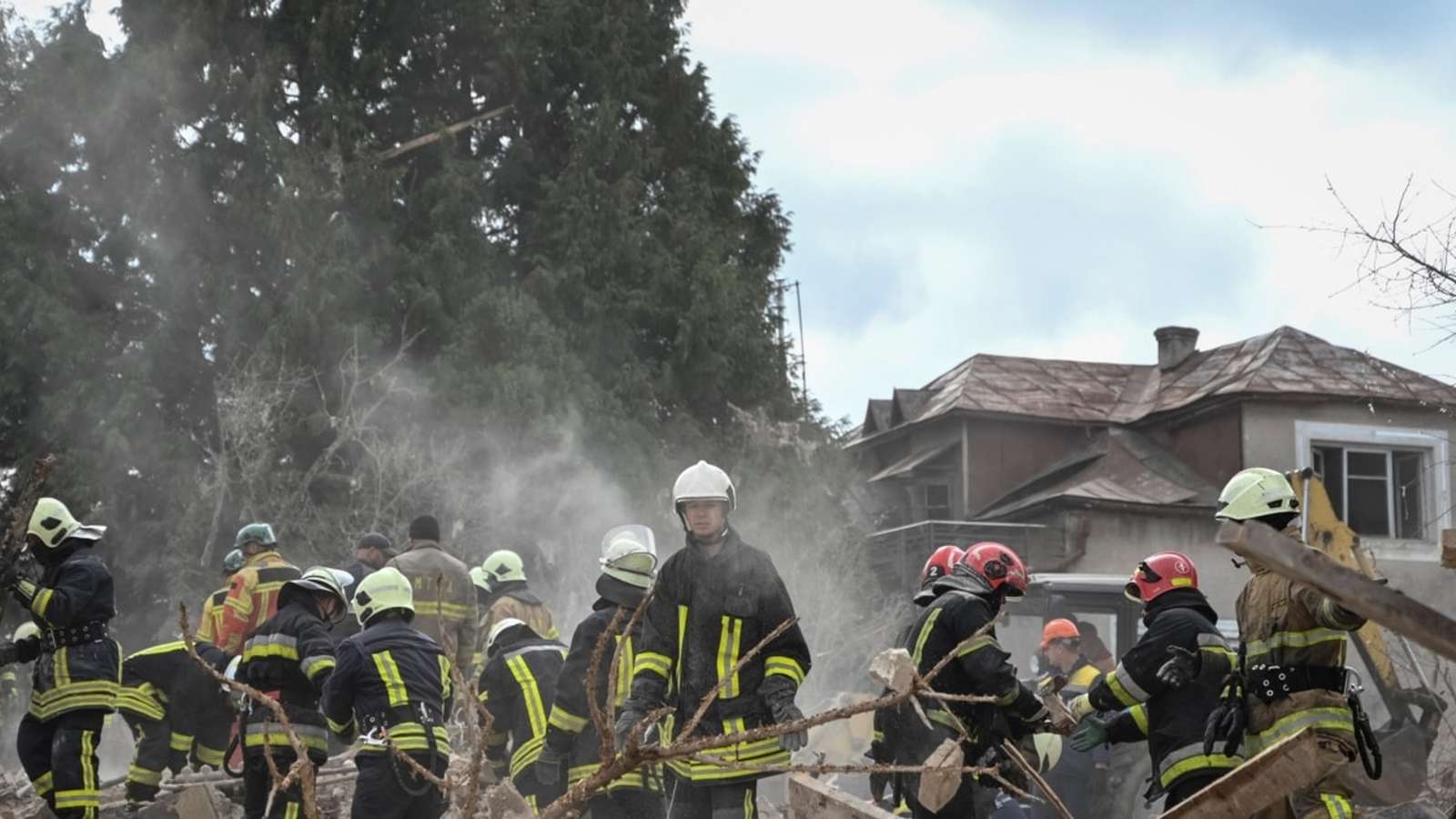
Russian aerial strikes have intensified, employing hundreds of drones and missiles, including cruise missiles, Shaheds, and Kinzhals. These attacks have targeted cities across Ukraine, such as Lviv, Zaporizhzhya, Kharkiv, and Sumy, causing widespread destruction. In Lviv, located near the Polish border, this assault marked the largest attack on the region since the conflict began. Buildings were damaged, electricity was cut off for tens of thousands, and public transportation was disrupted. Similarly, Zaporizhzhya witnessed a combined strike that resulted in casualties and left over 73,000 customers without electricity.
Human Impact and Civilian Suffering
The human cost of these strikes has been devastating. In Lviv, a family of four, including a 15-year-old girl, lost their lives, while in Sumy, a Russian attack on a passenger train killed 30 people. Residents recount harrowing experiences of destroyed homes, shattered windows, and lost livelihoods. The attacks on civilian infrastructure, including homes, schools, and energy facilities, underscore Russia’s strategy of terrorizing the population.
International Responses and NATO’s Role
Russia’s actions have prompted significant responses from neighboring countries and NATO allies. Poland, for instance, mobilized fighter jets and heightened ground-based air defense systems following the strikes near its border. NATO’s proactive measures aim to secure airspace and protect citizens in regions adjacent to the conflict zone. These actions highlight the growing concerns over the potential spillover of Russia’s aggression into NATO territories.
Geopolitical Implications
The strikes have further strained Russia’s relations with Western nations. Ukrainian President Volodymyr Zelenskyy has repeatedly called for stronger international support, emphasizing the need for enhanced air defense systems to counteract Russia’s aerial terror. Meanwhile, the European Union has vowed to continue supporting Ukraine, preparing new sanctions against Russia and ensuring financial and military aid. The conflict has deepened geopolitical divides, with Europe adopting a tougher stance against Russia, while the United States appears to maintain avenues for dialogue.
Conclusion: A Turning Point in the Conflict
Russia’s aerial strikes on Ukraine are not merely acts of war; they are pivotal moments in a broader geopolitical struggle. The destruction of civilian infrastructure and loss of innocent lives demonstrate the urgent need for international unity and decisive action. As the conflict continues, its outcomes will shape global security dynamics, leaving a lasting impact on Ukraine and the world.