
Quick Read
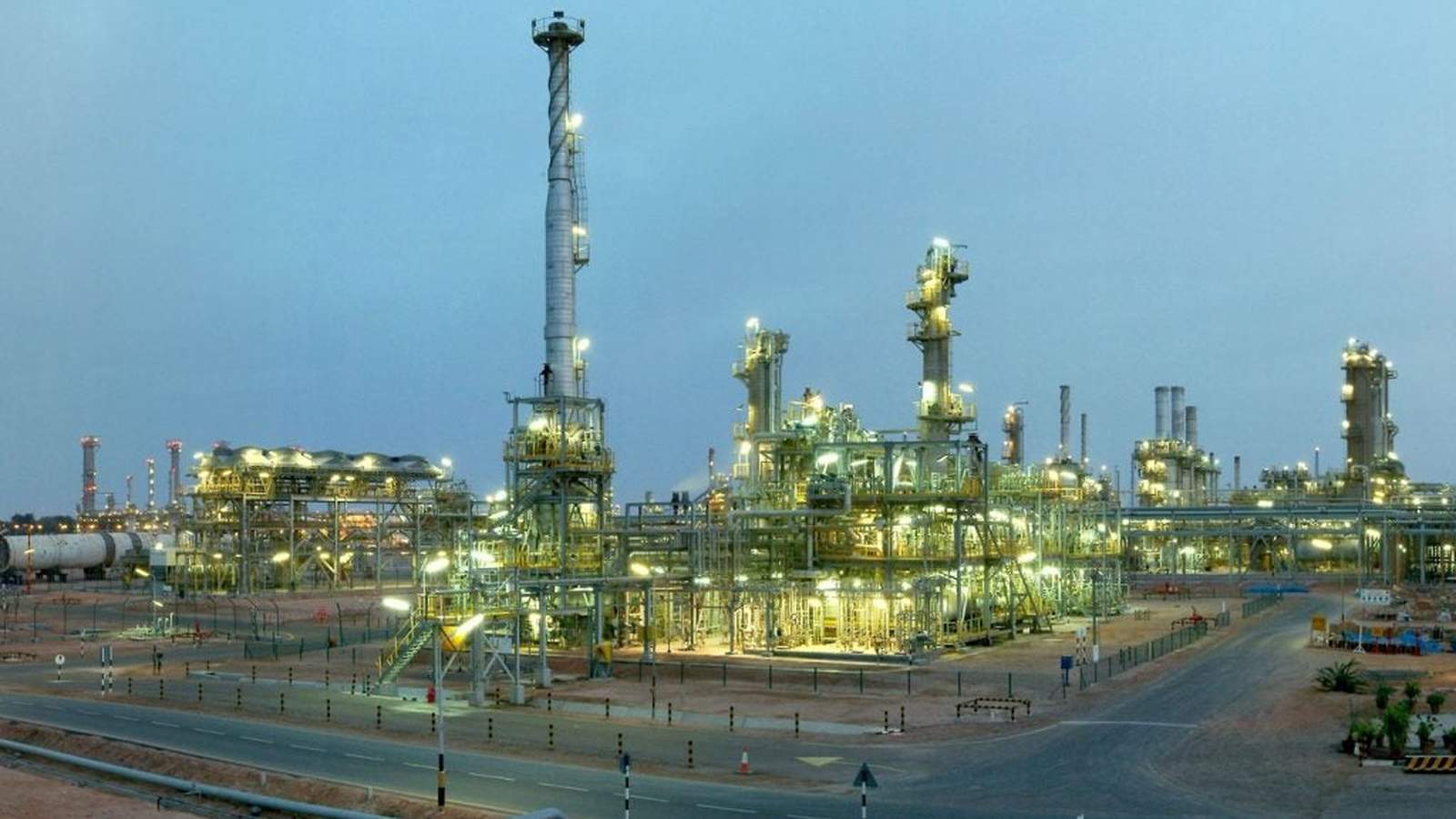
- Several key liquefied natural gas export facilities at Qatar’s Ras Luffin Industrial City were severely damaged by recent missile strikes.
- QatarEnergy officials confirmed the damage to the facilities, which represent the world’s largest LNG export hub.
- Official Qatari news reports attribute the strikes to Israel, with assistance from the United States, amidst conflicting initial information.
DOHA, Qatar (Azat TV) – Several key facilities at Qatar’s Ras Luffin Industrial City, a critical hub for global liquefied natural gas (LNG) exports, have sustained serious damage in missile strikes that occurred within the past few hours. Officials from QatarEnergy, the company that owns the sprawling industrial complex north of Doha, confirmed the extensive damage.
Ras Luffin Facilities Under Attack
The Ras Luffin Industrial City is recognized as the world’s largest export facility for LNG. The recent strikes have raised immediate concerns about the stability of global energy supplies, given the site’s pivotal role in meeting international demand for natural gas.
Conflicting Reports on Perpetrators
While initial reports and social media commentary circulated suggesting Iranian involvement, official Qatari news outlets have since reported that the attacks were carried out by Israel with assistance from the United States. The exact nature of the perpetrators and the sequence of events remain a subject of conflicting information.
Global Energy Security Implications
The damage to the Ras Luffin facilities comes at a time of heightened global energy market volatility. Any disruption to Qatar’s substantial LNG export capacity could lead to significant price fluctuations and supply shortages in key international markets. The incident underscores the vulnerability of major energy infrastructure to geopolitical conflicts and aerial attacks.
The precise attribution of the strikes and the extent of the damage will be crucial in assessing the immediate and long-term impact on global LNG markets and energy security.