
Quick Read
- Russian Foreign Minister Sergey Lavrov will visit North Korea for strategic dialogue amid strained U.S.-Russia relations.
- The visit signifies deepening ties between Moscow and Pyongyang, including potential environmental and economic collaborations.
- North Korea’s military relies heavily on its nuclear arsenal as its air force is outdated and undertrained.
- The tri-border region between Russia, China, and North Korea offers opportunities for conservation and economic initiatives.
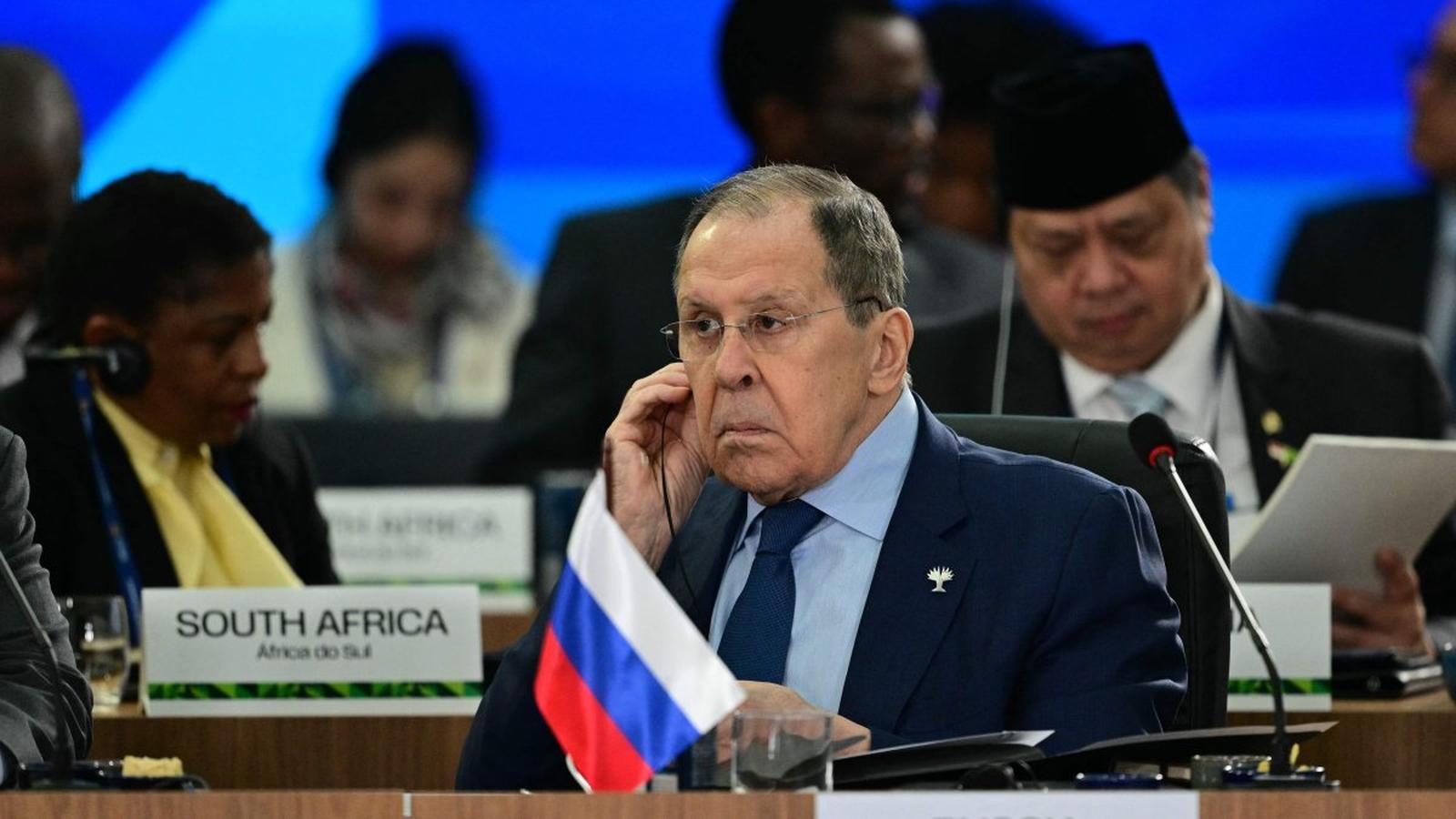
In a development that underscores the shifting geopolitical alliances in East Asia, Russian Foreign Minister Sergey Lavrov is set to visit North Korea for a “second round of strategic dialogue.” This high-profile visit, scheduled for the weekend of July 2025, comes amidst deteriorating relations between Russia and the United States, largely driven by the ongoing conflict in Ukraine and broader Western sanctions against Moscow. According to a statement by Russian Foreign Ministry spokesperson Maria Zakharova, Lavrov’s trip aims to deepen bilateral cooperation with Pyongyang, a longtime but often overlooked ally of Russia.
Strengthening Diplomatic Ties
Lavrov’s visit is not an isolated event but part of a broader trend of increasing engagement between Russia and North Korea. Just a month prior, Russian Security Council Secretary Sergei Shoigu met with North Korean Supreme Leader Kim Jong Un, marking a new era in their relationship. The Korean Central News Agency (KCNA), North Korea’s state media, described Lavrov’s visit as being at the “invitation of the DPRK Foreign Ministry,” highlighting the mutual interest in fostering stronger ties. As Washington Examiner reported, this renewed engagement would have been unthinkable before the Russia-Ukraine war, which has driven Moscow to seek alternative alliances amidst its isolation from the West.
These developments come at a time when North Korea is increasingly leaning on its allies for economic and technological support, as it faces tightening international sanctions over its nuclear weapons program. For Russia, North Korea offers a strategic partner in its efforts to counterbalance U.S. and Western influence in the region. The proximity of the two nations, sharing a small border, further facilitates this partnership, which has included the completion of a rail link between Russia’s Khasan and North Korea’s Rajin port in 2013.
Economic and Environmental Cooperation
Beyond traditional diplomacy, the Russia-North Korea relationship is also expanding into areas like environmental and economic collaboration. The tri-border region between Russia, China, and North Korea has become a focal point for potential cooperative projects. As Forbes highlighted in its recent analysis, the Changbaishan (or Paekdu) region, which includes the UNESCO-designated Heaven Lake, could serve as a transboundary conservation area. This area is rich in biodiversity, housing critically endangered species like the Amur tiger, and offers opportunities for “environmental peacebuilding.”
North Korea has shown surprising interest in international environmental treaties, with its recent ratification of the Ramsar Convention on Wetland Protection in May 2025 being a notable example. Such commitments open the door for collaborative efforts with neighboring nations, including Russia, to develop sustainable economic models around natural resources and ecotourism. The Rason Special Economic Zone, located near the Russian border, is another area where joint ventures could flourish, leveraging natural products like fish and blueberries to boost local economies.
Military Dynamics and Strategic Implications
While economic and environmental initiatives are promising, the military dimension of the Russia-North Korea relationship remains critical. Pyongyang’s military capabilities, particularly its air force, are widely considered outdated. According to National Security Journal, North Korea’s air force is dominated by Soviet-era jets like the MiG-21 and Su-7, which are essentially relics in modern combat. Compounding this issue is the lack of pilot training, with North Korean pilots reportedly flying only 15-25 hours per year due to fuel shortages.
Despite these shortcomings, North Korea’s military strategy is heavily reliant on its nuclear arsenal, which it views as a deterrent against external threats. For Russia, supporting North Korea militarily could serve as a counterbalance to U.S. and South Korean forces in the region. However, this relationship is not without risks, as it could escalate tensions on the Korean Peninsula and draw further international condemnation.
Historical Context and Future Prospects
The Russia-North Korea alliance has deep historical roots, dating back to the Cold War era when the Soviet Union was one of North Korea’s primary benefactors. However, the relationship has seen ebbs and flows, particularly after the collapse of the Soviet Union. Today, the geopolitical landscape is driving a resurgence in these ties, with both nations finding common ground in their opposition to Western policies.
Looking ahead, Lavrov’s visit could pave the way for broader cooperation between the two nations, extending beyond traditional areas like defense and trade to include innovative approaches such as environmental diplomacy. As Forbes noted, initiatives like transforming the Demilitarized Zone (DMZ) into a peace park or designating it as a UNESCO World Heritage Site could serve as creative pathways for engagement. Such efforts would not only benefit the region but also contribute to global stability.
As Russia and North Korea deepen their ties, the international community will be watching closely to see how this evolving partnership shapes the dynamics of East Asia and beyond.