


The Crisis of Officiating Accountability
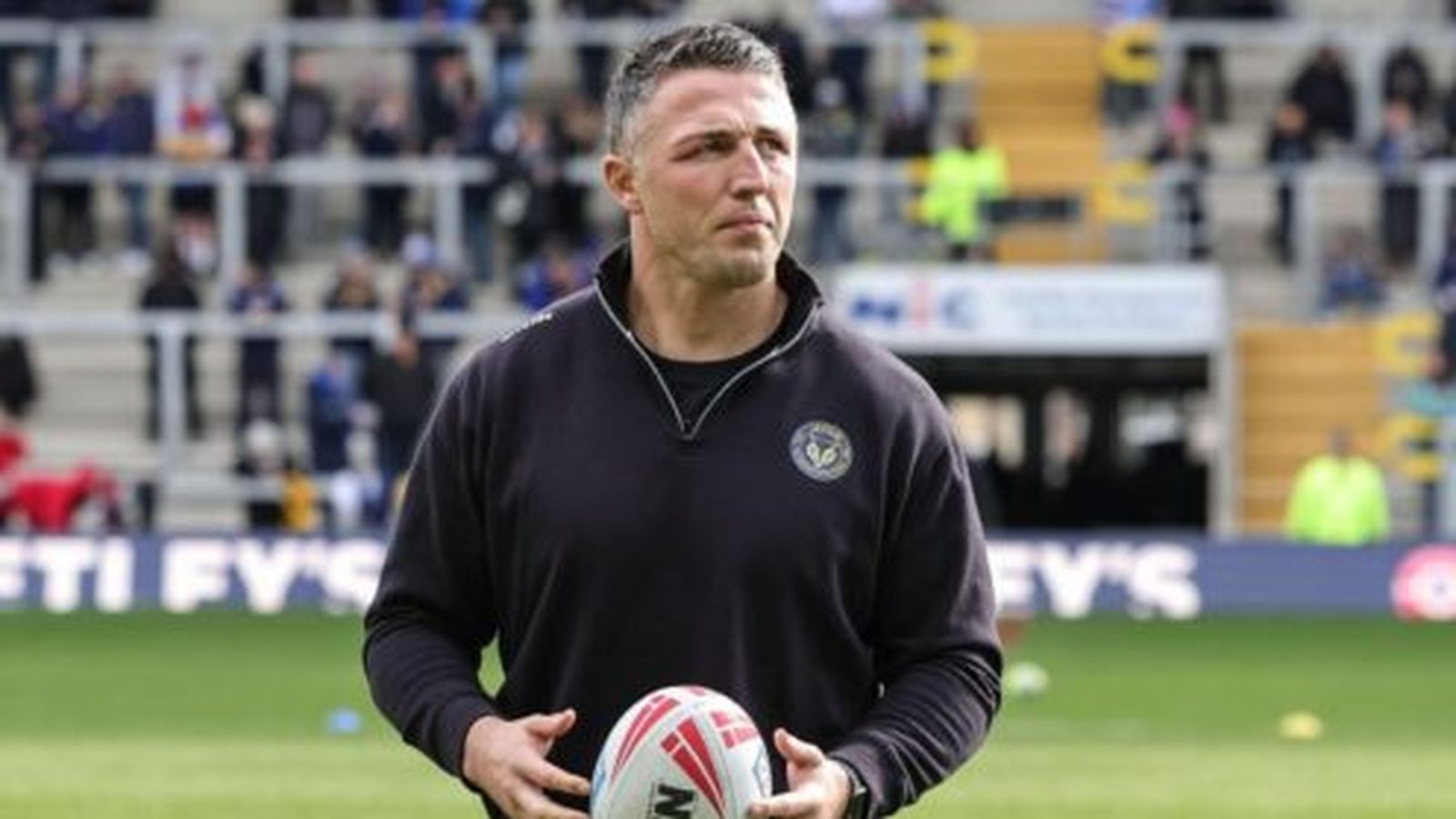
Following a decisive 32-12 defeat at the hands of Hull KR in the Challenge Cup semi-final at Doncaster’s Eco-Power Stadium, Warrington Wolves head coach Sam Burgess has ignited a debate regarding the integrity and efficiency of current match officiating. Burgess, who has consistently voiced frustration throughout the season, used the post-match press conference to call for a fundamental shift in how referees are held accountable for their on-field decisions.
The core of Burgess’s grievance lies in the captain’s challenge system, which he argues is turning professional rugby league into a fragmented, tedious spectacle. The semi-final, which kicked off at 4:00 PM, dragged on for over two hours and ten minutes, with the final whistle blowing well after 6:10 PM. For Burgess, the issue is not merely the result, but the procedural decay caused by frequent, inconclusive video reviews that stifle the rhythm of the game.
Procedural Disjointedness
“You have to be careful what you say because they don’t like it when you tell the truth,” Burgess remarked to the press. “But the captain’s challenge… I don’t know if we’re watching the same game. Some of those calls—the inconclusive stuff—they get decisions wrong all the time, but how long do they want to take? It’s a mess, it needs tidying up.”
Burgess’s critique extends beyond the technical application of the rules to the broader culture of refereeing. He suggested that if the media performed their roles with greater rigor, officials would be forced to answer directly for their performance. “If you guys [the press] all did your job properly, you should keep them accountable. If you guys ask good questions and can get access to the right people, they should be sat in front of the media as well,” he stated.
Performance on the Pitch
Despite his vocal criticism of the officiating, Burgess maintained an objective assessment of his own side’s performance. Warrington struggled to gain early momentum, and the coach admitted that his team failed to manage the game effectively against a dominant Hull KR side. The reigning holders, Hull KR, executed their game plan with clinical precision, scoring five tries to Warrington’s two. The attendance at the Eco-Power Stadium was notable, with over 12,000 fans in attendance—part of a strong weekend of semi-final support that saw over 25,000 total spectators across the two semi-final fixtures.
“We didn’t get into the game early. In the first half, we didn’t build any momentum or anything,” Burgess acknowledged. “We went away from things that have been working for us. I was happy with them for hanging in, because it could have been way worse, but we gave them so much territory.”
Assessment
The friction between coaches and officiating bodies is a recurring theme in modern professional rugby league. While Burgess’s frustration is understandable given the technical delays, the broader challenge for the sport remains balancing the quest for accuracy through technology with the need for a fluid, engaging product. Whether the governing bodies will heed his call for increased transparency and post-match accountability remains to be seen, but the intensity of his rhetoric suggests that the current protocol is nearing a breaking point for many stakeholders.