
Quick Read
- Milan’s city council approved the sale of San Siro to AC Milan and Inter Milan after a 12-hour debate.
- The sale paves the way for the stadium’s demolition and construction of a new 71,500-seat arena.
- San Siro and surrounding land valued at €197 million ($233m); sale must be finalized before November 10.
- The new stadium is part of a €1.3 billion urban regeneration project, including commercial and residential development.
- San Siro is set to host the Milan-Cortina Olympics opening ceremony before redevelopment begins.
San Siro Sale Ushers in a New Era for Milan’s Football
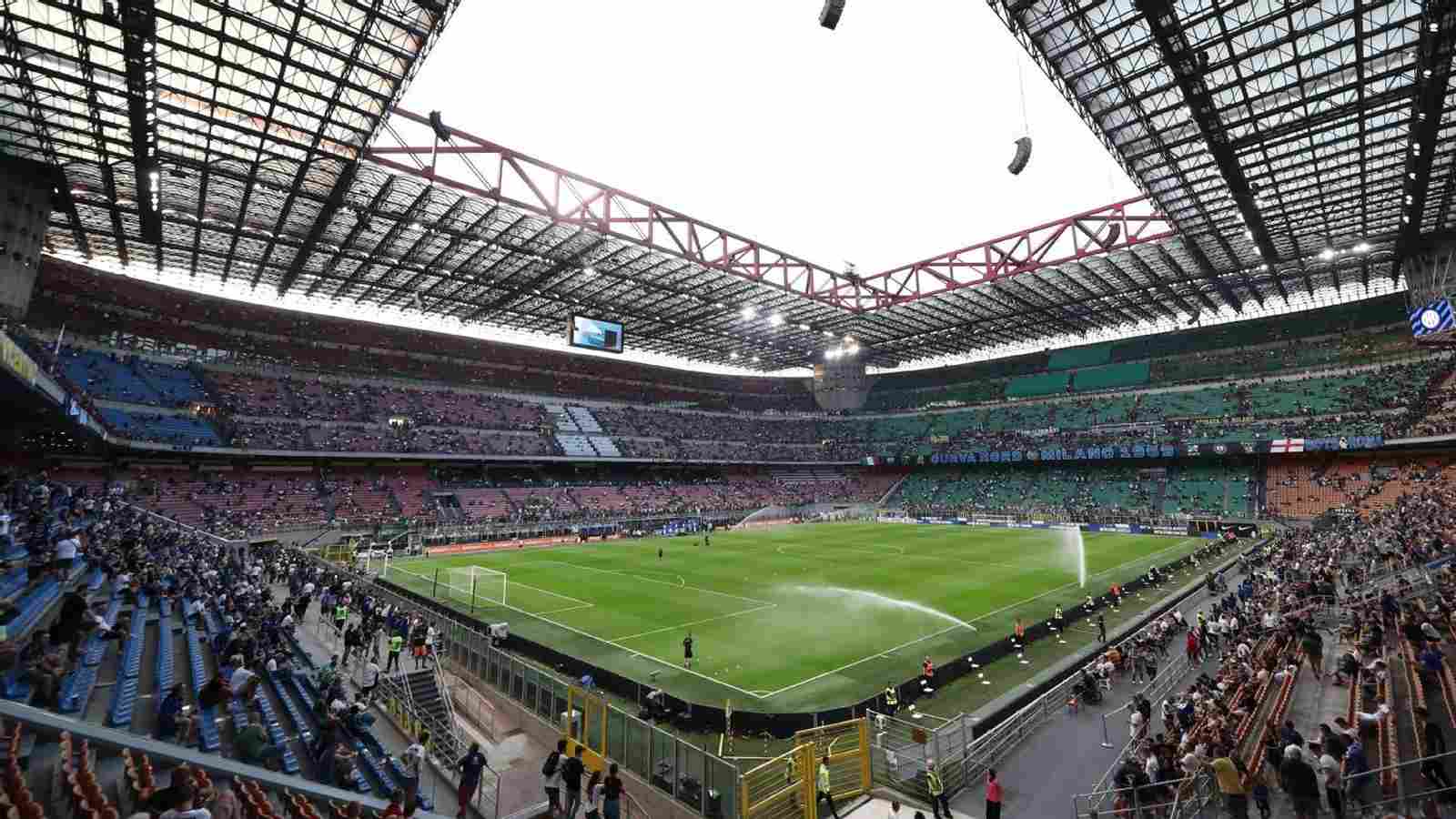
In the early hours of Tuesday, the fate of one of football’s most storied cathedrals was sealed. After a marathon overnight debate that stretched nearly 12 hours, Milan’s city council approved the sale of the legendary San Siro stadium and its surrounding land to AC Milan and Inter Milan. The vote—passed by a narrow margin of 24 to 20—marks a seismic shift not just for Italian football, but for Milan itself.
For almost a century, San Siro has been more than just a stadium. It’s been a crucible of unforgettable matches, roaring crowds, and the dramatic highs and lows of two of Europe’s most passionate clubs. But now, with a €197 million ($233 million) price tag agreed upon, the stadium’s future is set on a bold new trajectory: demolition and rebirth.
Plans for a World-Class Arena and Urban Renewal
The vision, outlined in a joint statement by AC Milan and Inter Milan, is ambitious. The two clubs plan to replace the aging 99-year-old structure with a modern, 71,500-seat stadium—a venue they hope will set new international standards and serve as a beacon for football fans worldwide.
Last week, the clubs appointed renowned architectural firms Foster + Partners and Manica to lead the design. Their challenge is not just to create a state-of-the-art arena, but to anchor it within a sweeping urban regeneration project covering approximately 281,000 square meters (over 3 million square feet). Alongside the stadium, the redevelopment will include offices, shopping malls, luxury hotels, and residential buildings, signaling a dramatic transformation of the cityscape.
According to Reuters and Associated Press, the timing of the sale is crucial. The agreement must be finalized before November 10—when the stadium’s second tier, completed 70 years ago, would acquire historical significance that could make demolition nearly impossible. The urgency reflects not just the ambitions of the clubs, but also the constraints of Milan’s heritage laws.
From Football Legacy to Urban Debate
San Siro’s legacy is as old as Italian football itself. First opened in 1926 as AC Milan’s home, it was taken over by the municipality in 1935, and since then, both Milan giants have shared its pitch. From the World Cup in 1990 to countless Serie A showdowns, its concrete stands have witnessed the evolution of the game—and the fervor of its fans.
Yet, despite its storied past, San Siro has struggled to keep pace with modern demands. Repeated attempts to renovate the stadium failed, leaving it short of UEFA’s standards for hosting major tournaments. The clubs see a joint, purpose-built arena as vital to boosting matchday revenues and maintaining their competitiveness on the European stage.
But the sale has not passed without controversy. The populist 5-Star Movement, a vocal opposition group, condemned the decision as «shameful» and «pure real estate speculation.» They argue that the €1.3 billion ($1.5B) redevelopment will «tear down the historic Meazza stadium and replace it with offices, shopping malls, luxury hotels and—only lastly—a new stadium.» Their criticism reflects a broader anxiety in Milan about the pace and priorities of urban change.
What’s Next: The Olympic Stage and Euro 2032
Despite the debate, the timeline for change is pressing. The existing San Siro is slated to host the opening ceremony of the Milan-Cortina Winter Olympics in February—a fitting swan song for a venue that has symbolized Milan’s sporting prowess for generations.
The clubs’ goal is clear: have the new stadium ready in time for Euro 2032, when Italy co-hosts the tournament with Turkey. As BBC Sport notes, the new venue is poised to become an architectural icon, emblematic not just of the clubs’ ambitions, but of Milan’s future-facing identity.
The redevelopment is also expected to include a heritage section, preserving part of the stadium’s historic second tier—a nod to San Siro’s enduring legacy, even as its physical form is transformed.
Economic, Cultural, and Urban Impacts
The sale and redevelopment of San Siro represent more than just a change of address for Milan’s football giants. It’s a story about the intersection of sport, urban planning, and cultural memory. The €197 million sale price reflects not just the value of land, but of legacy—and the promise of future growth. The broader €1.3 billion investment signals a new phase in Milan’s evolution as a global city, blending commercial ambition with sporting tradition.
For some, the project is a necessary leap into modernity. For others, it’s a bittersweet farewell to the echoes of history. Yet, as Milan’s mayor Giuseppe Sala stated, «We believe that we’ve done the right thing.» The city’s leadership is betting that this bold step will cement Milan’s place on the world stage, both in football and beyond.
As the dust settles on the council’s decision, Milan’s fans, residents, and urban planners alike are left to ponder: can a new stadium truly capture the soul of its predecessor, or will San Siro’s magic live on only in memory?
The San Siro sale is a watershed moment for Milan, intertwining football’s heritage with urban transformation. The clubs’ ambitious vision promises economic growth and a modern sporting hub, but the emotional and cultural cost of losing such a historic venue will linger long after the new stadium’s foundations are laid.